12 types of logos to express your brand’s unique identity

Share 12 types of logos to express your brand’s unique identity
Explore more from
Design basics
Build a brand that speaks clearly
Unify logos, colors, and messaging in Figma.

Ever wondered why certain brands stick in your mind? It’s likely due to their logos. Strong logos anchor brand identity. They transform abstract company values into immediate visual recognition, fostering a deeper connection between a brand and its audience. From the minimal elegance of Apple to the bold presence of Nike's swoosh, effective logos communicate brand essence at a glance.
For designers, creating the right logo means balancing visual impact with practical constraints. This guide explores 12 distinct types of logos, their ideal applications, and an approach to logo selection. You'll learn more about:
- Different types of logos
- How to choose a logo in four steps
- Key principles for logo design
Type 1: Abstract logos

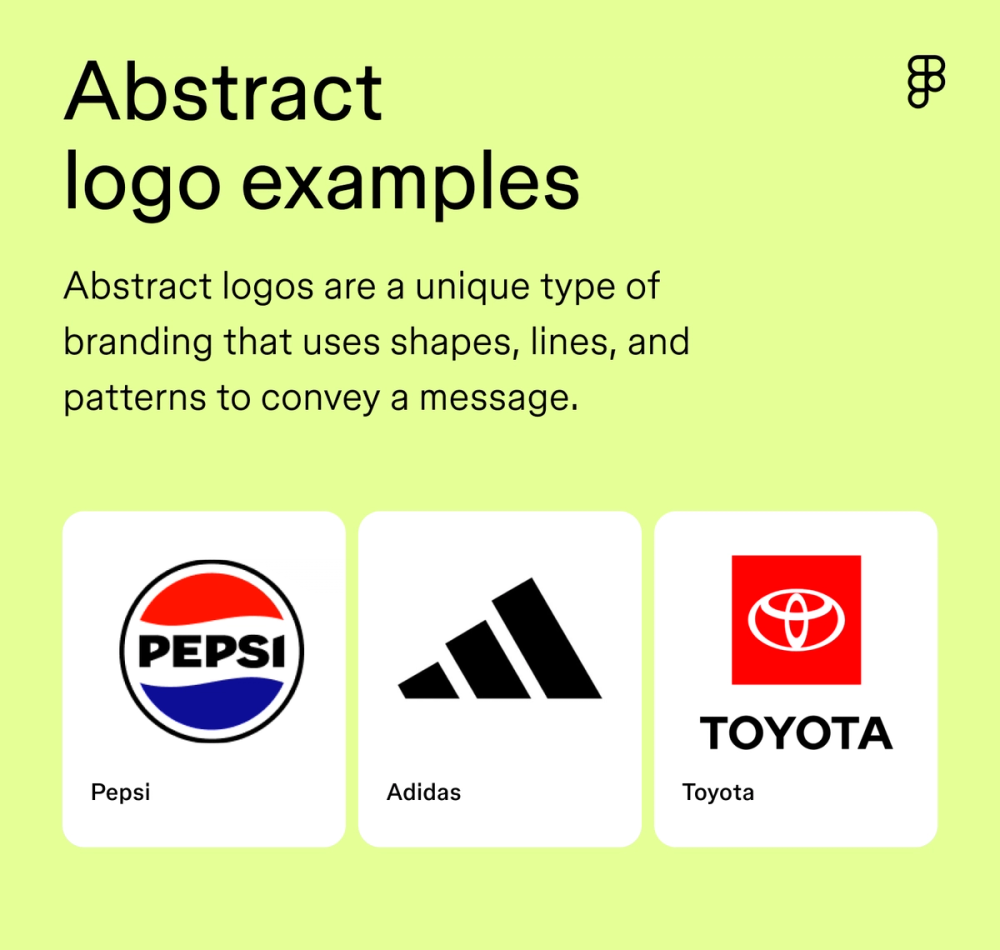
Abstract logos use fundamental design principles to create distinctive brand identities through shapes, lines, and patterns. By leveraging Gestalt principles like similarity, proximity, and continuity these logos build recognition without relying on literal symbols. This abstract approach opens up fresh and memorable brand identity possibilities that viewers can interpret in different ways.
Abstract logos pair well with wordmarks, or the brand name in a specific font. This combination provides additional context and versatility, making the logo adaptable to various applications.
Best used for
Abstract logos are ideal for companies that want to project a modern, innovative, or conceptual image. Here are a few industries that can benefit from this style:
- Tech companies. Abstract logos can represent technology's complex and often intangible nature, evoking ideas of progress, efficiency, and the future.
- Consulting firms. These logos can represent consultants’ analytical and problem-solving approach, conveying a sense of clarity, balance, and strategic thinking.
- Financial institutions. Abstract logos can convey stability, trust, security, growth, prosperity, and global reach.
- Design studios. These logos can showcase creativity, innovation, and diverse perspectives, representing the artistic process, imagination, and out-of-the-box thinking.
- Wellness brands. For wellness brands, abstract logos represent balance, harmony, and well-being, evoking feelings of calm, rejuvenation, and vitality.
Type 2: Line drawing logos

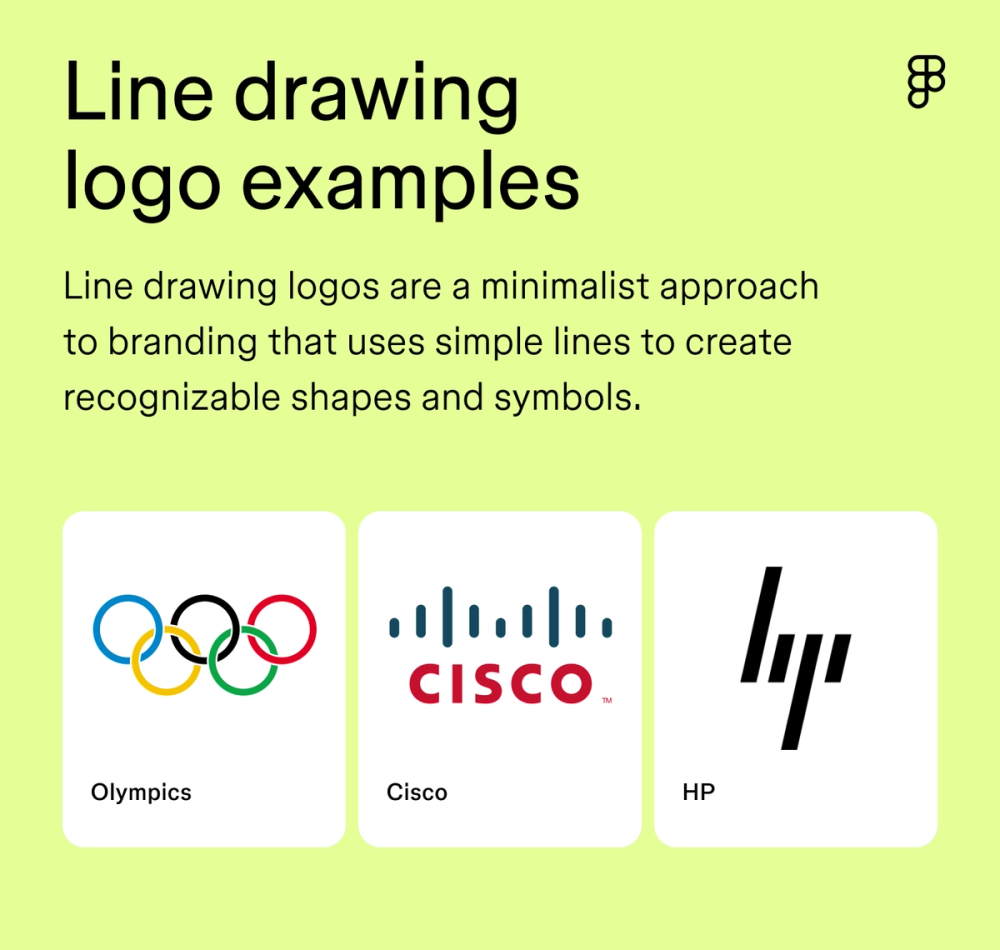
Line drawing logos distill brand identity into its purest form through minimalist strokes. This approach creates instantly recognizable symbols that scale seamlessly across applications, from business cards to billboards.
These logos take two primary forms. Continuous line designs use a single, unbroken stroke to create fluid shapes—like the iconic Olympic rings. Separate line compositions build distinctive marks through multiple strokes while maintaining visual simplicity.
Best used for
Line drawing logos serve brands that prioritize simplicity, elegance, and timelessness. The following industries can benefit from this style:
- Technology. Line drawing logos can convey a sense of innovation, modernity, and a focus on core values. The clean aesthetic resonates with tech-savvy audiences and maintains legibility across digital platforms.
- Fashion and lifestyle. Minimalist line drawings project sophistication. The minimalist approach creates enduring designs that complement evolving style trends.
- Creative agencies. Line drawing logos can showcase creativity, skill, and artistic vision, showcasing the power of restraint and thoughtful composition.
Type 3: Monogram logos

Monogram logos transform company initials into distinctive brand signatures. This classic approach to logo design often features elegant typography and intricate designs, making them popular for luxury brands, fashion houses, and family businesses.
Monogram logos can be simple or complex. They might be used alone or combined with other visual elements—like overlapping shapes, custom fonts, or icons. They are perfect for brands that want to establish a strong, recognizable, and long-lasting identity.
Best used for
Monogram logos resonate most strongly with brands that emphasize elegance and tradition, and align naturally with industries that prioritize prestige and timeless appeal:
- Fashion and luxury brands. Monogram logos are synonymous with luxury fashion, symbolizing elegance, sophistication, and timeless style.
- Family businesses. Monogram logos can highlight legacy and tradition, connecting contemporary offerings with established reputation.
- Boutique hotels and spas. These logos can create a sense of exclusivity and personalized service, symbolizing relaxation, rejuvenation, and luxury.
- Fine dining restaurants. Monogram logos can represent gourmet cuisine and a sophisticated atmosphere, symbolizing elegance, tradition, and culinary excellence.
- Art and design studios. These logos can showcase an artist’s or designer’s distinct style and personality, symbolizing creativity, innovation, and artistic vision.
Type 4: Letterform logos

Letterform logos use stylized or unique variations of letters to represent a brand. While monograms use initials, letterform logos work with full brand names or a key phrase, giving designers more creative freedom to experiment with typography, color, and layout.
Letterform logos transform individual letters into memorable brand symbols. The design centers on the letter’s visual structure, which creates distinctive marks that work both as text and symbol. They’re ideal for brands that want to convey a modern, creative, or playful image.
Best used for
Letterform logos are versatile, so many different types of businesses can use them. Here are a few industries that can benefit from this logo style:
- Technology and startups. These logos can build recognition through distinctive typography. Bold designs help new companies establish a presence and stand out in competitive markets.
- Creative agencies and design studios. Letterform logos can showcase creativity, skill, and artistic vision, representing the power of typography and visual communication.
- Media and entertainment. These logos can create a strong, memorable, and iconic brand identity for media companies, symbolizing creativity, entertainment, and cultural impact.
- Food and beverage. Letterform logos, like McDonald’s with its iconic arches, can evoke the personality and style of a food or beverage brand, representing taste, quality, and an exceptional brand experience.
- Fashion and lifestyle. This type of logo can create a modern, edgy, and stylish image for fashion brands, symbolizing trendsetting, individuality, and a rebellious spirit.
Type 5: Wordmark

Wordmark logos, also known as logotypes, put brand names at the center of visual identity. These logos turn company names into distinctive visual assets through precise typography and design elements. The Netflix wordmark uses custom letterforms and subtle arch details to create a cinematic feel. Visa's slanted text suggests forward movement.
Wordmark logos work across all brand touchpoints, from print to digital media. Many brands pair their wordmarks with other visual elements, such as icons or symbols, to create more comprehensive brand identity systems.
Best used for
Like letterform logos, wordmark logos are versatile. Here are a few industries that can benefit from this style of logo:
- Technology companies. Wordmark logos can show that a company is new, modern, and focused on the future, helping customers recognize and trust the brand.
- Professional services. These logos can show professionalism, reliability, and expertise for law firms, accountants, and consultants. They can help build credibility and attract important clients.
- E-commerce and retail. Wordmark logos can create a strong, memorable, and versatile brand identity for online stores. They can help people recognize the brand and build customer loyalty.
- Media and publishing. This type of logo can show the personality and style of a media brand. They can attract a specific audience and build brand awareness.
- Nonprofit organizations. Wordmark logos can represent a nonprofit’s mission and values, inspiring and motivating people to support the cause.
Type 6: Pictorial mark logos

Pictorial mark logos, also called brand marks or symbolic logos, distill brand identity into a single, recognizable symbol. Think Target’s bullseye and Apple’s bitten apple—these icons have become powerful brand shortcuts, instantly connecting with audiences without requiring a single text character.
A powerful pictorial mark logo, stands independently, maintaining impact and recognition across applications. The design should be visually distinctive and easy to recognize, while remaining simple enough to work at any scale.
Best used for
Pictorial mark logos are great for brands that want to create a strong visual identity and evoke specific emotions or associations in their audience. Here are some examples of industries and companies that could use this type of logo:
- Technology companies. Pictorial marks can represent abstract ideas like innovation, connection, or artificial intelligence. They can help tech companies stand out from competitors.
- Food and beverage. Pictorial logos can visually represent the brand’s products or ingredients, like a coffee bean for a coffee company or a fruit for a juice brand.
- Nonprofit organizations. Pictorial marks can symbolize the organization’s mission or cause—for example, a dove for peace or a heart for charity.
- Retail brands. Pictorial mark logos can create a strong brand identity and help consumers recognize the brand quickly.
Kickstart your branding process
Brainstorm logos, build mood boards, and map ideas visually in FigJam.
Type 7: Combination mark logos

Combination marks unite symbols and text to create comprehensive brand signatures. These logos pair visual elements with company names, offering both immediate recognition and clear identification. Companies like Lacoste demonstrate how this approach creates flexible systems that work across all brand applications.
To identify a combination mark logo, look for a design that combines a wordmark and a picture. Depending on the brand's look, the two parts can be closely or loosely connected.
Best used for
Combination mark logos are flexible, so many different businesses can use them. The following industries and companies could use this type of logo:
- Technology companies. Combination marks pair innovatived symbols with clearcompany names. This helps people recognize the brand and shows innovation and reliability.
- Food and beverage. Visual elements highlight the brand’s products or attributes, while the text ensures clear brand identification at the point of sale.
- Nonprofit organizations. A combination mark can visually symbolize a nonprofit’s mission or cause, while the wordmark provides clarity and context. This approach can help nonprofits build brand awareness to attract donations and volunteers.
- Retail brands. Strong symbol-text combinations create a memorable brand identity across physical and digital shopping environments. The symbol evokes specific emotions or associations, while the wordmark strengthens brand recognition and trust.
Type 8: Emblem logos

Emblem logos, called badges, are a classic style that puts a brand’s identity inside a special frame or border. These logos often have unique details, like fancy letters, symbolic pictures, and decorative elements. They usually get inspiration from old heraldry, family crests, or vintage designs, giving them a timeless and sophisticated look.
Emblem logos are great for showing tradition, heritage, and quality. Use them to create a strong brand identity and evoke feelings of trust, reliability, and timeless elegance.
Best used for
Emblem logos are perfect for businesses that want to show their history, tradition, and quality. Here are some examples of industries and companies that might use this type of logo:
- Luxury brands. Emblem logos can make a brand seem exclusive and prestigious, which is great for high-end fashion, jewelry, and car brands.
- Educational institutions. Educational institutions, like Harvard University’s iconic shield emblem, often use this design style to represent their history, values, and academic standards.
- Heritage brands. Companies with a long history can use emblem logos to highlight their legacy and timelessness.
- Financial institutions. Banks and investment firms can use emblem logos to show stability, trust, and security.
- Clubs and organizations. Social clubs, sports teams, and fraternal organizations often use emblem logos to represent their membership and shared values.
Type 9: Mascot logos

Mascot logos are unique because they use a character or creature to represent a brand. Mascots are usually more fun and engaging than emblems, which often use abstract symbols. They can be animals, people, objects, or even mythical creatures, and they often have their own personalities and stories.
Mascots can be animated or still and used in many different marketing materials, from merchandise to social media. They’re especially effective at connecting with younger audiences and creating a strong brand identity.
Best used for
Mascot logos use characters to give brands a distinctive personality. THey are ideal for businesses and industries that want to create a strong emotional connection with their audience:
- Food and beverage. Companies like Green Giant or Quaker can use mascots to give their logos personality and make them fun and playful.
- Children’s products and services. Character-based logos engage young audiences while building trust with parents. Mascots are also a powerful to promote toys, games, clothing, and other products.
- Sports teams. Sports teams often use mascots to represent their team spirit, rally fan enthusiasm, and create a sense of community.
- Technology and gaming. Mascot logos can help tech companies and gaming brands connect with their target audience on a personal level. They can also make complex products more accessible.
Type 10: Animated logos
Animated logos bring still designs to life with motion graphics, creating dynamic digital experiences. From subtle movements like Slack’s color flow to more complex sequences, animation transforms traditional logos into interactive and compelling brand touchpoints. By adding movement and sound, animated logos can grab attention, show brand personality, and leave a lasting impression.
Best used for
Animated logos are great for businesses that want to create a memorable and engaging brand experience. Here are some examples of industries and companies that could use this type of logo:
- Technology and startups. Animated elements showcase innovation while creating engaging user experiences that can help tech companies stand out.
- Media and entertainment. Animated logos can create a visually stunning and immersive brand experience. Companies like Netflix use their “N” logo with animations to create an immersive brand experience. This makes people want to watch its shows and movies and become loyal fans.
- Gaming. Animated logos can create exciting and engaging brand identities that resonate with gamers. They can help gaming companies stand out and attract a passionate fan base.
- E-commerce and retail. Animated logos can create an engaging brand experience, especially for online retailers. For example, Airbnb uses animated characters in its logo to make browsing online more fun and memorable.
- Marketing and advertising agencies. Animated logos can showcase creativity, innovation, and a forward-thinking approach. They can help marketing and advertising agencies attract new clients and build a strong brand reputation.
Type 11: 3D logos

3D logos add depth and dimension to regular logo designs. They use 3D techniques, such as 3D modeling or rendering, to create a sense of realism and physicality. 3D logos are especially effective at expressing luxury, innovation, and futuristic thinking.
Best used for
3D logos are perfect for businesses that want to create a futuristic, innovative, and visually striking brand identity. Here are some examples of industries and companies that might use this type of logo:
- Technology and gaming. 3D logos can represent cutting-edge technology and immersive experiences. They can help tech companies and gaming brands stand out and attract a younger, more tech-savvy audience.
- Architecture and construction. 3D logos can showcase the complexity and creativity of architectural designs, helping architecture and construction companies attract clients and showcase their expertise.
- Automotive and transportation. 3D logos can show speed, power, and innovation. They can help car manufacturers and transportation companies create a strong brand identity and attract customers.
- Luxury brands. 3D logos can convey luxury and exclusivity to high-end brands. They can help luxury brands differentiate themselves from competitors and appeal to a discerning audience. For example, Chevrolet uses its iconic bowtie emblem to enhance their perceived value and exclusivity.
- Creative agencies and design studios. 3D logos can showcase the creativity and innovation of design firms. They can help creative agencies attract clients and build a strong brand reputation.
Type 12: Dynamic logos

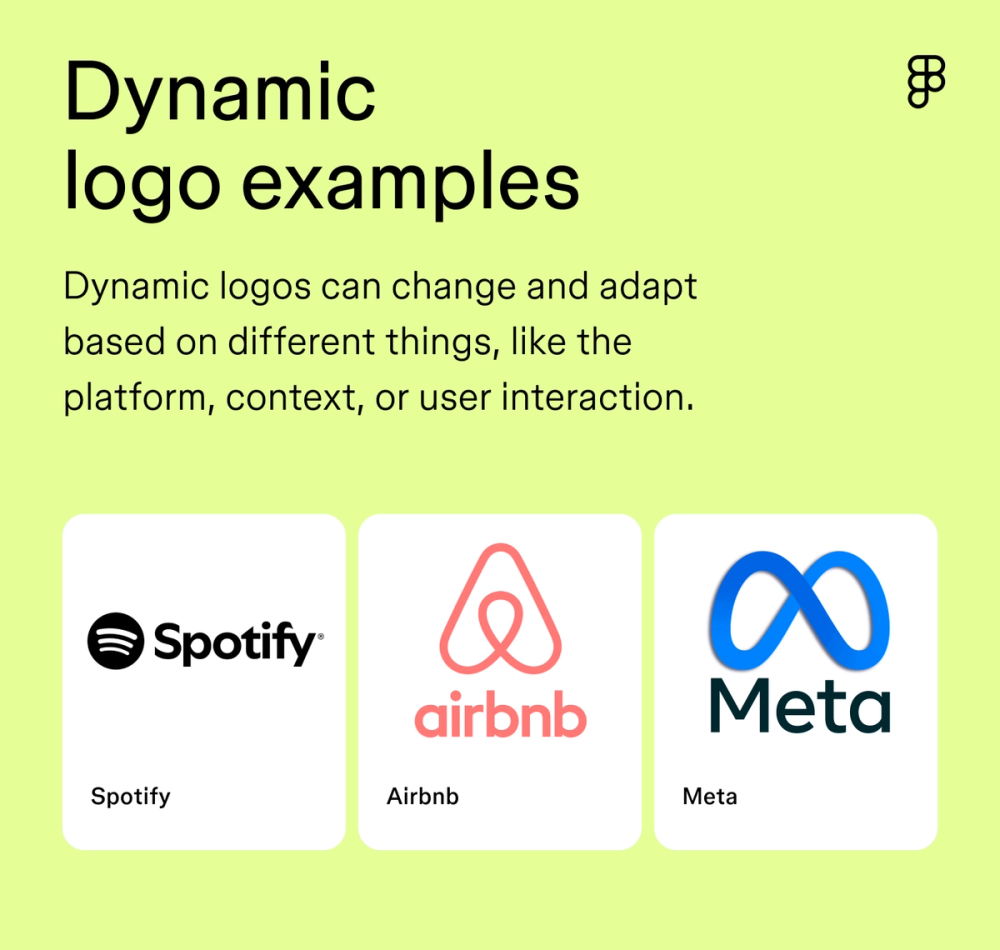
Unlike traditional logos, dynamic logos adapt and evolve across different contexts (holiday season, promotional campaign), platforms (website, social media, print), or even user interaction. This adaptability allows brands to express their identity in a more dynamic and engaging way, keeping up with the ever-changing digital world. For example, Spotify incorporates animated elements like music waves into its logo, reinforcing its musical identity.
Best used for
Dynamic logos are great for businesses that want to create a modern, innovative, and engaging brand identity, including:
- Technology and startups. Dynamic logos can show innovation, flexibility, and adaptability. They can help tech companies and startups stand out and attract a younger, more tech-savvy audience.
- Media and entertainment. These logos can create a visually stunning and immersive brand experience that grabs attention, builds brand loyalty, and adapts to changing trends.
- E-commerce and retail. Dynamic logos can create a more engaging and interactive shopping experience, helping e-commerce businesses stand out and attract customers with personalized experiences.
- Social media. This type of logo can adapt to different platforms and devices, ensuring a consistent brand experience across all channels. For example, Meta's dynamic logo can appear as a minimalist symbol or incorporate 3D elements and subtle animations, ensuring a consistent yet engaging brand presence across various digital platforms.
- Marketing and advertising agencies. Dynamic logos can showcase creativity, innovation, and a forward-thinking approach. They can help marketing and advertising agencies attract new clients and build a strong brand reputation.
How to choose a logo
A logo transforms a brand’s personality into visual impact. It’s the first thing a customer sees, setting expectations and establishing a foundation for recognition.
Follow these steps to select the perfect logo type for your brand.
Step 1: Define brand identity and values
Before embarking on logo design, you need to establish a strong foundation by defining your brand identity and values:
- Core message. What’s the fundamental message driving your brand? What values do you want to lean into?
- Target audience. Who are you trying to reach? Your logo should appeal to their tastes and preferences.
- Brand personality. Is your brand playful, serious, or sophisticated? Your logo should reflect this.
Step 2: Select design elements
To effectively communicate your brand identity, carefully choose design elements that resonate with your target audience:
- Color psychology. Colors can evoke different feelings. Choose complementary colors that match your brand’s personality and the message you want to convey.
- Typography. Your font should be easy to read, memorable, and match your brand’s personality.
- Symbolism. Use symbols or icons that are relevant to your brand and industry.
- Simplicity. A simple, clean design is often more effective than a complex one.
Step 3: Ensure versatility and scalability
Test your logo across various contexts to verify it works in the following ways:
- Multiple formats. Your logo should look good in various formats, like print and digital.
- Scalability. It should be easy to resize without losing its clarity and impact.
- Color variations. Consider creating black-and-white versions of your logo for different uses.
Step 4: Test for memorability and impact
Crafting a logo that resonates requires careful consideration:
- Uniqueness. A distinctive logo will help your brand stand out.
- Emotional connection. A well-designed logo can evoke emotions and create a lasting impression.
- Timelessness. Avoid trends that might quickly become outdated.
Key principles for effective logo design
Understanding common pitfalls in logo design helps ensure your logo effectively communicates your brand’s identity.
Embrace simplicity
While intricate designs can be visually appealing, cramming too much detail into your logo can backfire. Imagine your logo shrunk down to the size of a phone app icon. Will the details still be discernible?
A logo overburdened with details becomes difficult to understand, especially at smaller sizes or when reproduced in low-resolution formats. Remember, simplicity often leads to better recognition and memorability.
Leverage strong contrast
Strong logos require clear visual hierarchy. Using colors with low contrast, like light blue on a white background, can make your logo appear flat and lifeless. Choose a color palette with enough distinction to ensure the logo elements and background are easily distinguishable from one another. Always test your logo in monochrome to ensure it maintains clarity without color.
Prioritize readability
Typography plays a crucial role in logo design. Ornate or overly stylized letterforms might look interesting, but they can severely hinder readability, especially in smaller sizes. Opt for clean, legible fonts that complement the overall design style and personality of your brand.
Design your logo with Figma
Now it’s time to bring your brand vision to life. Figma’s collaborative environment and design tools give you everything you need to create professional logos that scale across all brand applications. Here’s how:
- Try Figma’s logo maker to build on-brand designs.
- Use Figma’s design system to create and manage shared assets and libraries that the whole team can access.
- Dive into the Figma Community to connect with other designers, showcase your work, and ignite your creativity.
Design a logo that stands out
Bring your brand to life with Figma’s powerful design tools.
Keep reading

What is graphic design?
Learn the basics of how to tell a story with graphic design.

Font types
Learn how to leverage font types and typefaces to shape personality, determine legibility, and achieve impact on your next design project.

Color combinations
Create harmonious color combinations that guide users, establish a clear hierarchy, and evoke emotions.