
Issue no.14: Software is culture



From ordering delivery in a pinch, to finding genuine connection and meaning, software touches nearly every part of our lives.
Share Issue no.14: Software is culture
Illustrations by Erik Carter
With AI graduating from tool to teammate, we’ll be able to design software that’s better tuned to our needs. Here’s what that means for us not just as software builders, but as a culture.


Want the next issue delivered straight to your inbox? Sign up here.
Design is culture
It’s easy to forget that the gestures that are now second nature to us—pinch-to-zoom, infinite scroll, tap-to-like, and beyond—were once new. To see where we’re headed, we present 10 iconic interactions from our recent past. Read on to understand their outsize impact on how an entire generation thinks and feels.

Language is culture
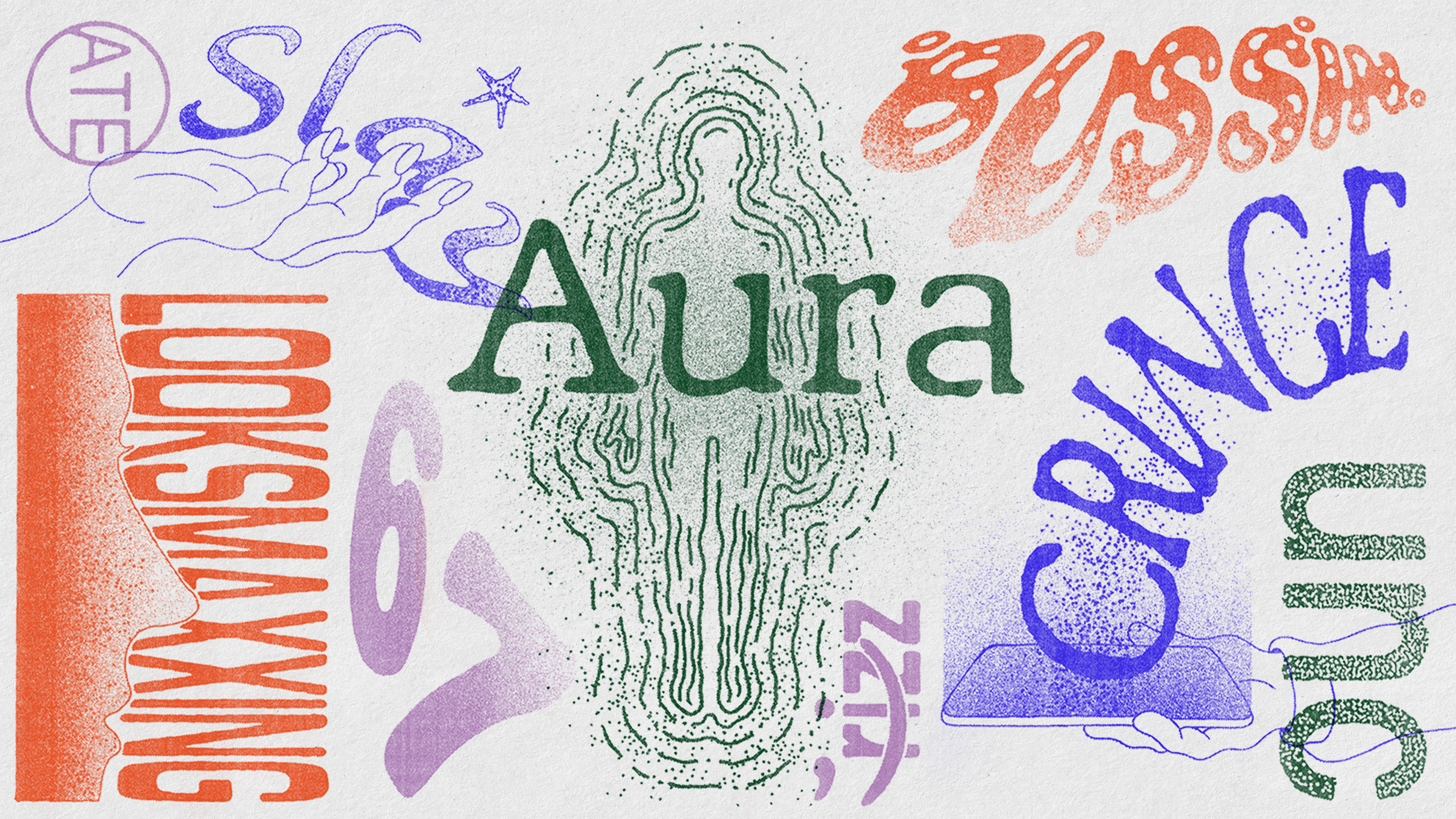
Last year, it seemed like every middle schooler in America was suddenly obsessed with saying “6-7.” Though its origins are unclear to anyone born before 1995, we know that it wouldn’t have gone viral without social media. We talked to linguist Adam Aleksic about the curious ways algorithms change how we speak, think, and relate.


Gaming is culture
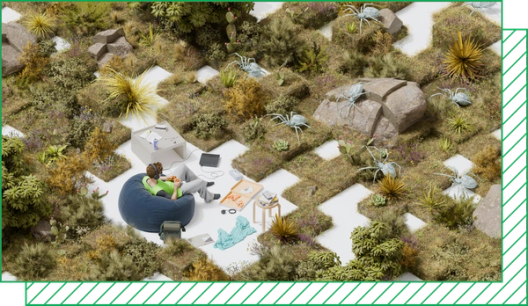
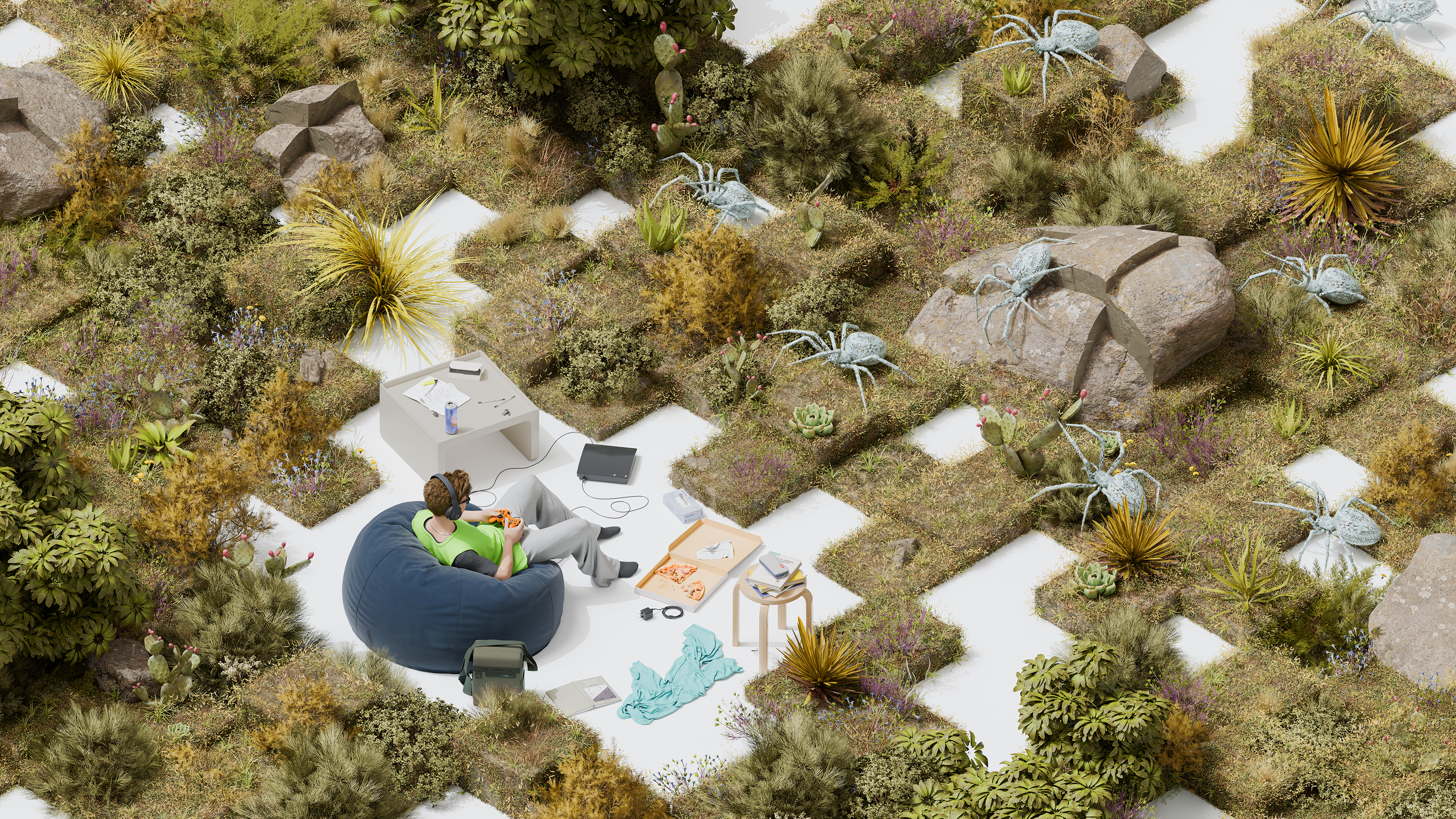
Gone are the days of Pong. Powering a $184 billion industry, today’s video games are complex worlds with multiple game modes, compelling characters, and side quests. Yet players still navigate them with the humble game controller. Epic Games designer Aashrey Sharma unpacks how a few simple inputs have shaped a rich world of interfaces and what that can teach us about software more broadly.


Food is culture
When entrepreneur Aaron Veale learned that a farmer goes out of business every week in British Columbia, he was seized by a sense of urgency. He knew he could make an app to connect local growers and restaurants, but recruiting a team to build an MVP would take time. So, he turned to Figma Make. Here’s how Aaron prompted his way to a working app in less than three weeks.


Fabrication is culture
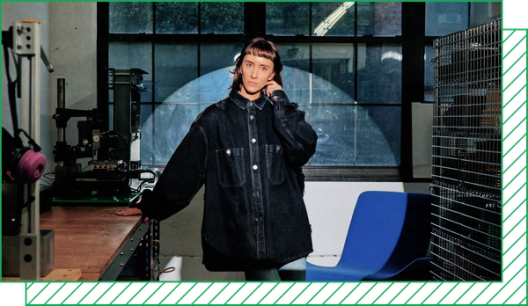
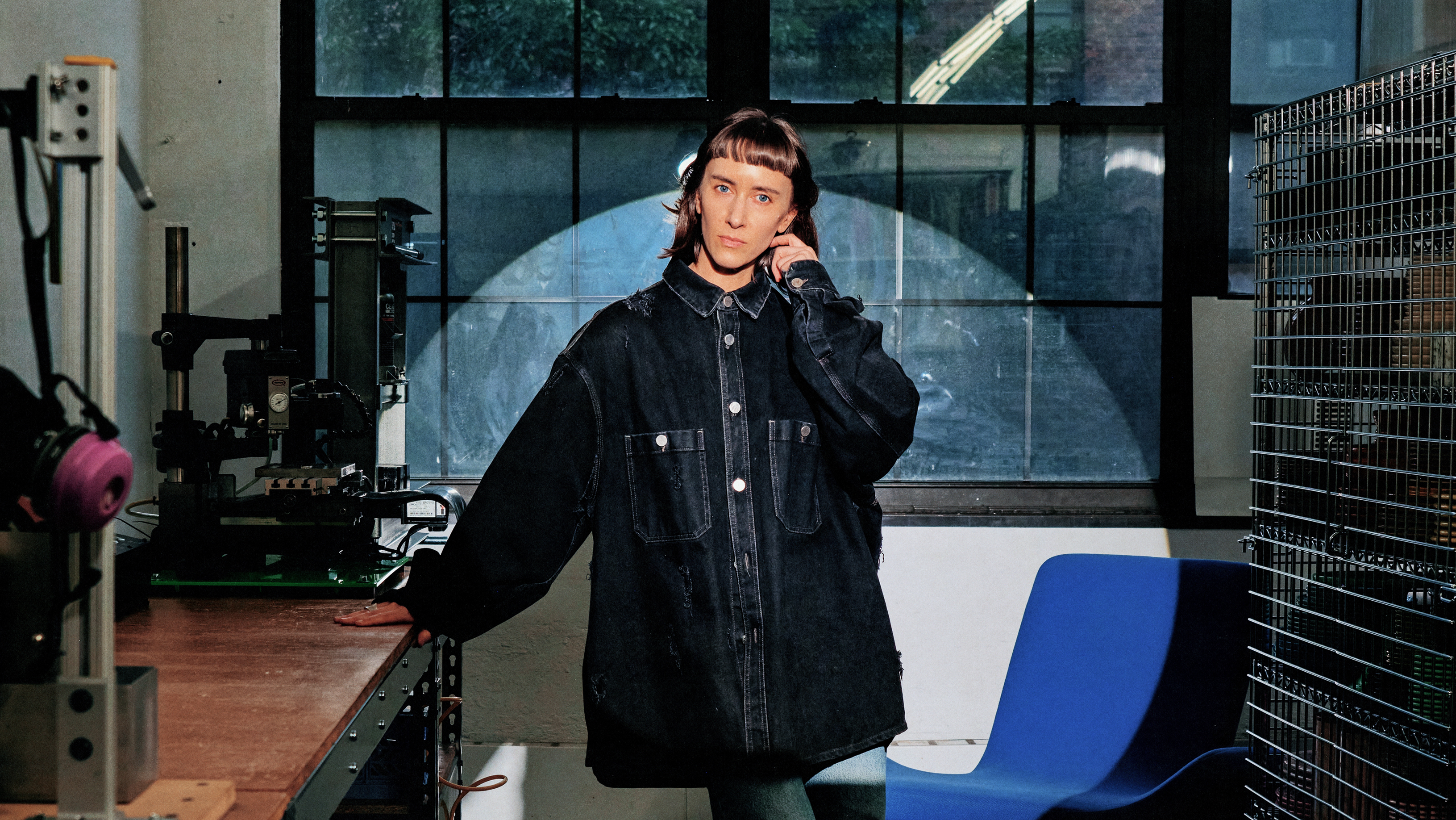
Once designer Kelsey Fairhurst got a taste of working with her hands, she couldn’t get enough. To perfect the process of making her “softline brutalist,” stainless steel flatware, she bounced between a studio in Brooklyn and a fabrication shop in Cleveland. Years of research have resulted in launching Forks Plus, a project Kelsey is bringing to life with Figma.


Rabbit hole

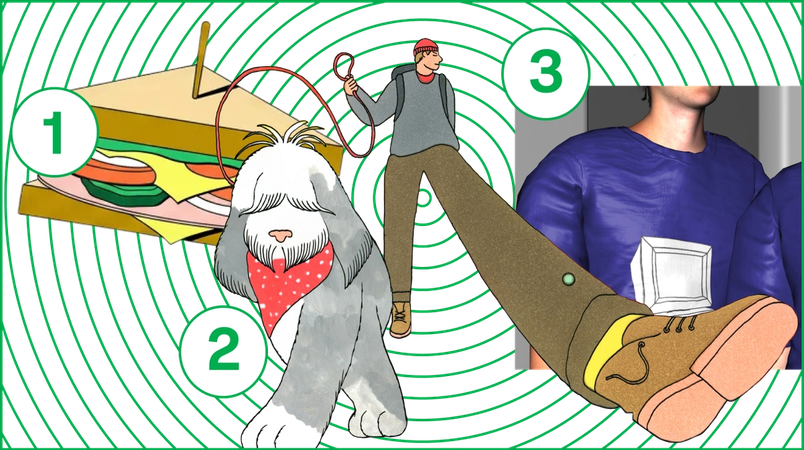
1. When it comes to getting what you want out of AI, prep is everything. Figma’s Designer Advocate Manager Greg Huntoon gives us his recipes for success Design and cooking share a truth: Preparation determines the outcome. Structured prompts turn AI from guesswork into a reliable design partner.Cooking with constraints: A designer’s framework for better AI prompts
2. After building prototyping tools at Figma for seven years, Product Manager Nikolas Klein was thrown off balance by the arrival of AI. Then, he started to see things differently Figma designer–turned–product manager Nikolas Klein worked on building prototyping tools for seven years. Then AI changed the game.
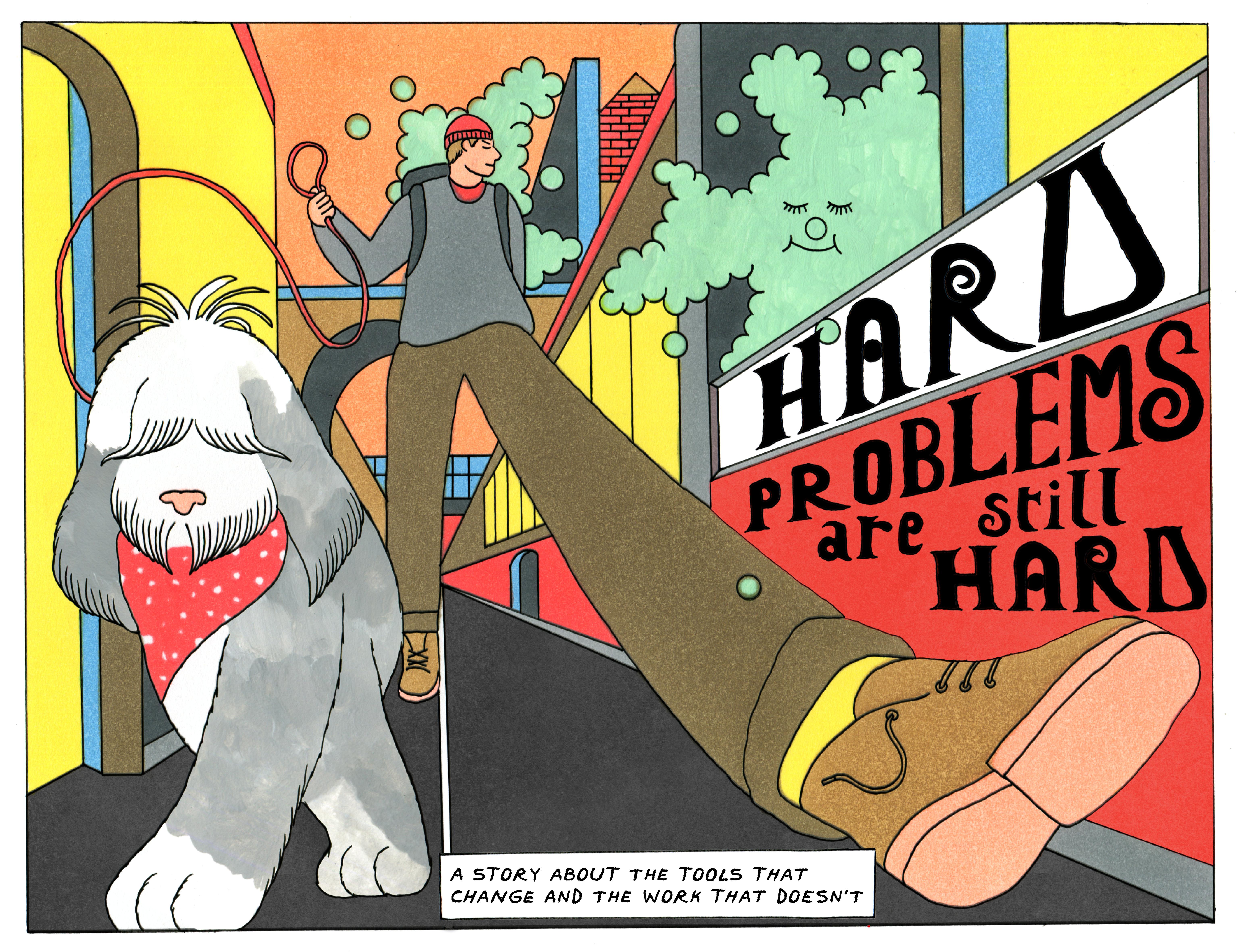
Hard problems are still hard: A story about the tools that change and the work that doesn't
3. Our attitude toward software is constantly changing. Just ask the people shelling out hundreds of dollars From vintage Apple tees fetching hundreds on Grailed to Supreme-level lines at tech conferences, it seems like software swag has upped its swag factor. Here’s why wearing your app on your sleeve has gone from cringeworthy to cool.
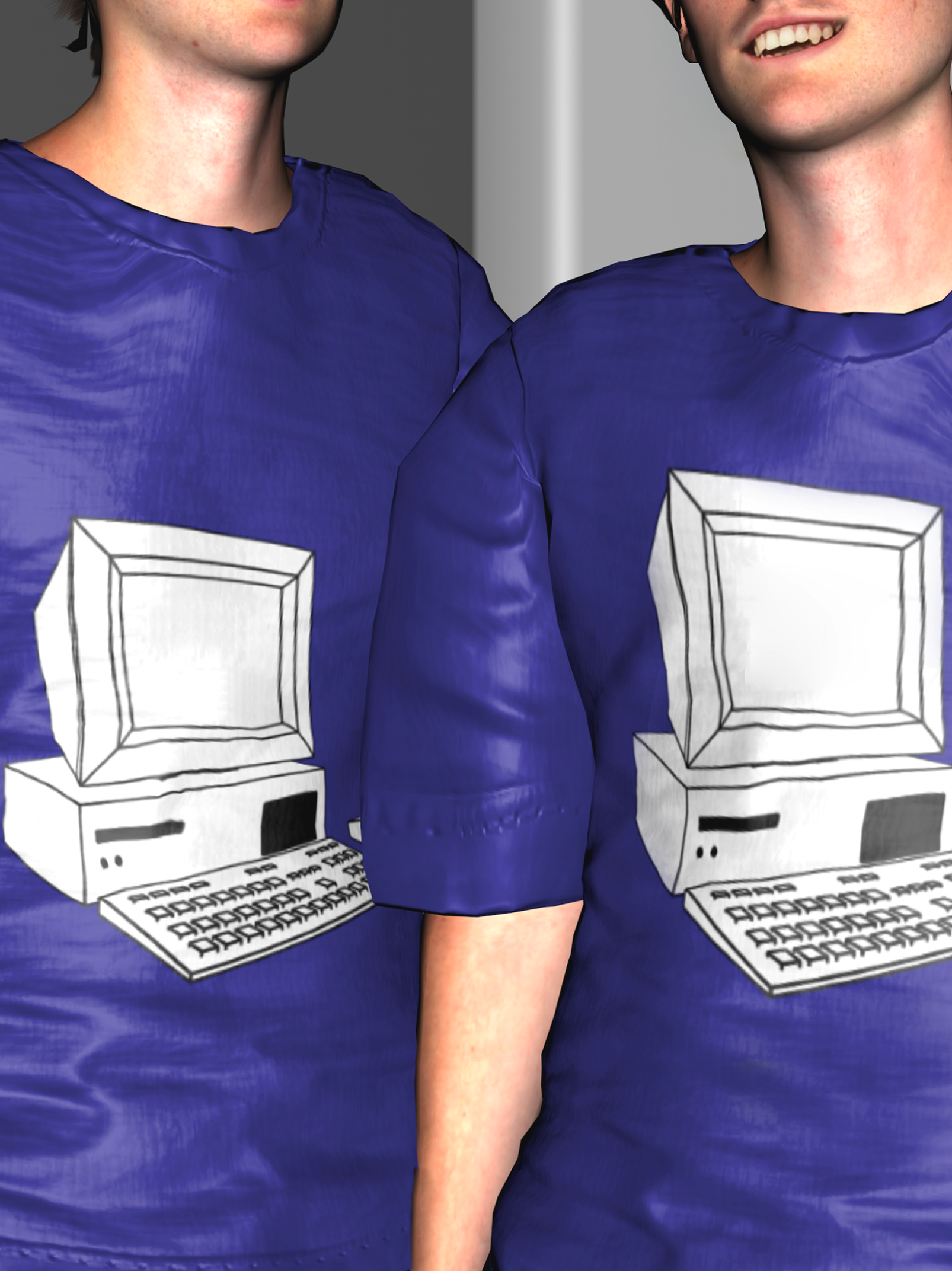
Why is corpcore suddenly such a thing?
The last word