
Chat, are we cooked? How language has become the new metric of virality

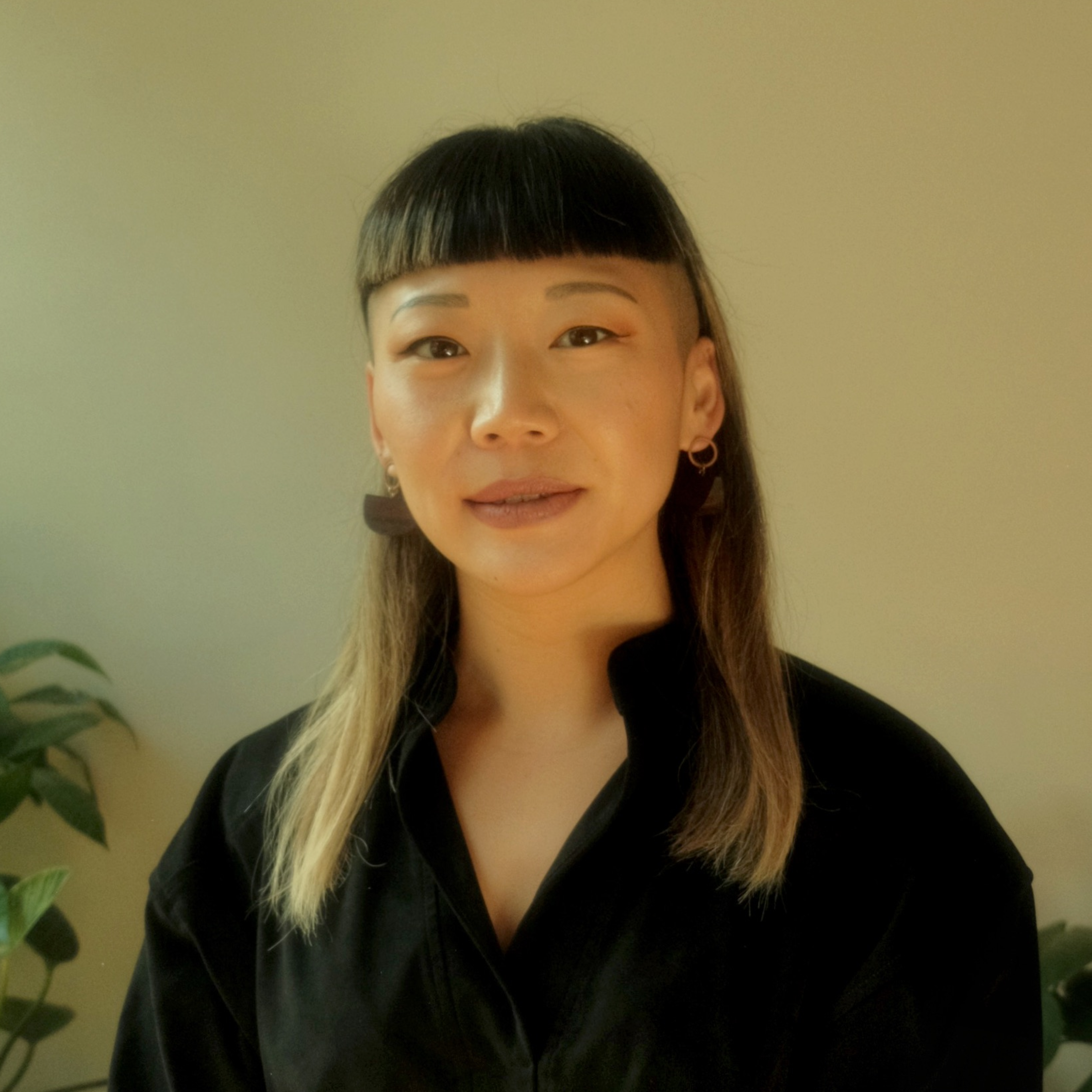

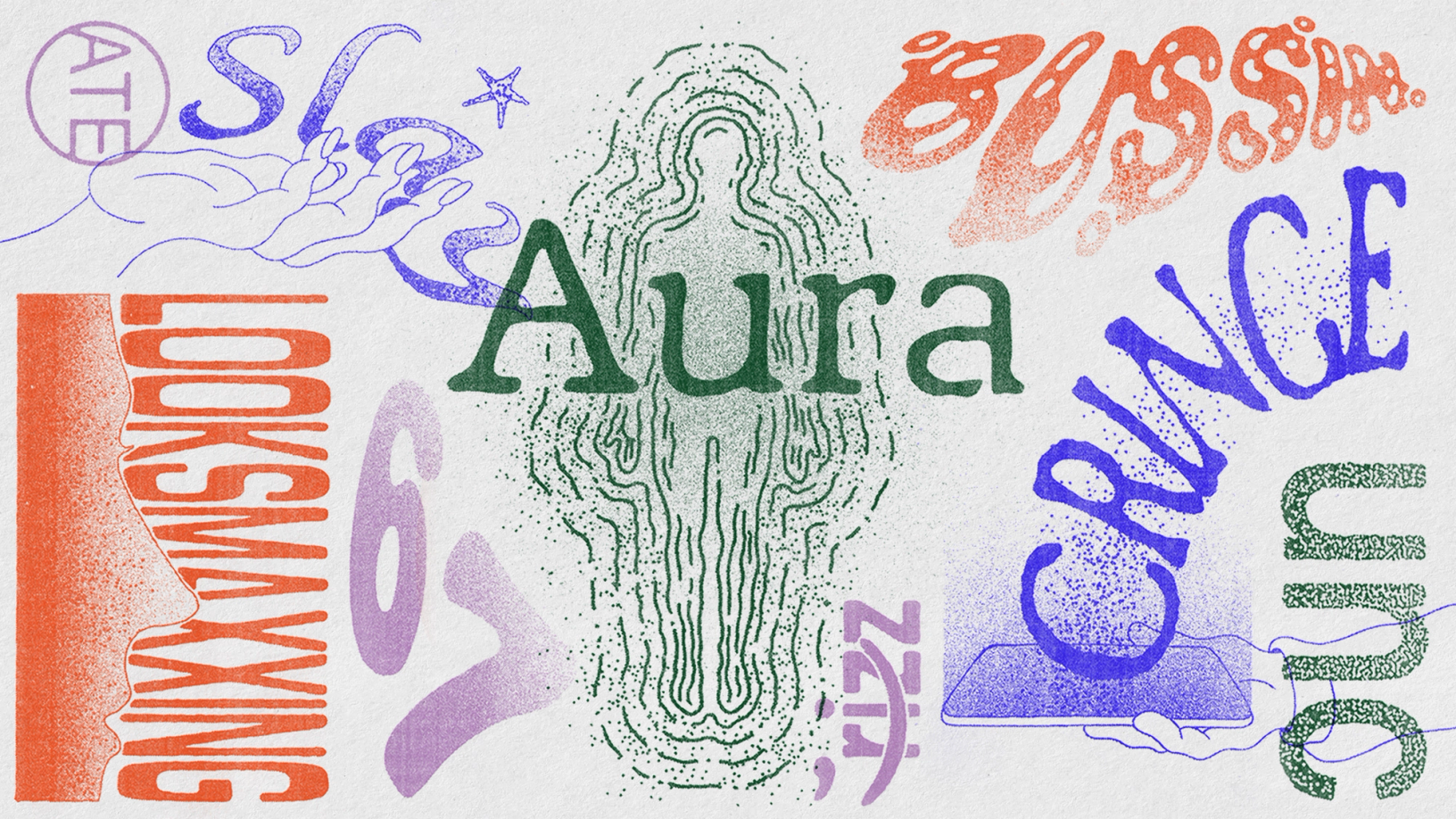
We sat down with linguist Adam Aleksic, author of “Algospeak: How Social Media Is Transforming the Future of Language,” to learn how algorithms shape not just how we talk, but how we think and relate.
Share Chat, are we cooked? How language has become the new metric of virality

Illustrations by Hugo Bernier
If you transported someone from just five years ago to present day, they’d have a hard time deciphering what we’re saying. From middle schoolers spouting off “6-7,” to K-pop fans insisting that “delulu is the solulu,” to the word salad that is “Labubu matcha Dubai chocolate,” today’s slang has convoluted origins but viral popularity. For that, we have social media algorithms to thank. Even for those of us who have stayed plugged in, it can be hard to understand what it all means—both in terms of literal definitions, and cultural impact.

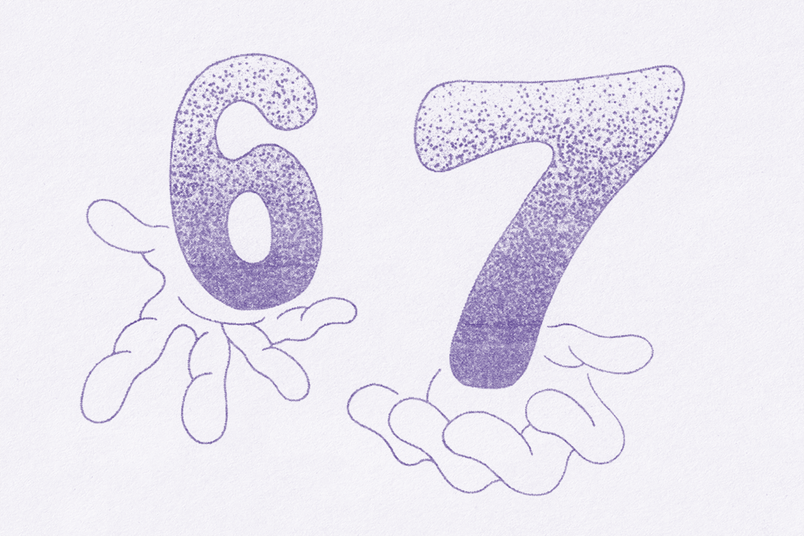
Thankfully, Adam Aleksic, a linguist and content creator under the moniker “Etymology Nerd,” has written the literal book on this. Published earlier this year, “Algospeak: How Social Media Is Transforming the Future of Language” traces the ways in which algorithms have not only changed the way we talk, but also the way we understand ourselves, interact with each other, and engage with the world. Below, we ask Adam to decode how algorithms drive linguistic change, and what it reveals about the rippling influence of technology.
As builders of software, we at Figma are always interested in the subtle—yet pervasive—ways that products shape the way we think and feel. A classic example is the swiping behavior popularized by Tinder, which has become so ingrained that we now say “swipe right” to mean we like something. What’s happening there?
To me, swiping on Tinder is tied to linguistics because it’s an example of visual semiotics, where the design has communicative elements. The swiping mechanism implies that people are almost commoditized, and that changes how we interact with each other. Even the direction of right versus left plays into the Western idea of “right is good.” The Latin word for “left” means “sinister.”
Canadian philosopher Marshall McLuhan coined the phrase “the medium is the message” in his 1964 book, “Understanding Media: The Extensions of Man.”
The medium affects the message—and each person’s profile is, of course, a performance. They’re signaling for the kind of person they want to attract, and they’re doing that given the affordances of the user interface. On Hinge, we’re given certain prompts, and we stick to the storytelling aspect of how the app organizes your profile. On Grindr, you’re incentivized to categorize yourself into tribes like “bear” or “twink,” which changes your outward expression of identity—and maybe internal understanding of who you are.
It seems like social media algorithms work in a similar way. They organize both outward expression and inward perception, and the language we use as a result.
The internet creates space for communities to talk about things, and then opens up those communities enough to allow those words to spread. There’s a lot of context collapse that you experience through the algorithm.
What do you mean by context collapse?
Take the word “slay.” In the 1980s, when it became popular in the New York City ballroom scene, that word would have slowly percolated from the Black and Latino gay men in that space, to white gay men, to the straight white girlfriends of those men.
Now, slang travels much faster. Algorithms push trends that are captured by metadata, and metadata isn’t just hashtags anymore; it’s every single word you write or say. Influencers tap into trending language, their videos go viral, and the next person to see it has zero idea that it comes from African American Vernacular English (AAVE). Because they’re on your “for you” page, you think that slang is for you.
“Slay,” “serve,” “queen,” “cooked,” “ate,” “that’s bussin,’” “it’s giving”—those are all examples of ballroom slang that have become mainstream. My rule of thumb is that 95% of words come from either AAVE or [the anonymous image-based bulletin board] 4chan. It’s shocking how often that holds true. Of course, “slay” doesn’t have the same connotations it used to, and language moves on, but we should be aware of these mechanisms of change.
Does it concern you that algorithms can strip words of certain meaning and drive so much change?
I think the words themselves are fine. If anything, it gives us more opportunities to express ourselves, and people are incredibly linguistically creative with words. Still, we should be paying attention to the ways that culture’s affecting us—for example, why are so many terms from incels [an online community of men who blame women for their inability to find a partner] like “looksmaxxing” or “-pilled” reaching the mainstream?
It moves across bubbles because of how memes spread online. Memes are a vehicle of transmission—of Trojan-horsing an idea that might otherwise be very off-putting. But for most people, if they have a critical awareness of what’s happening, it’s actually not that harmful.
What are some benefits you’ve seen from algorithms?
There’s a democratizing aspect. There are voices now represented that weren’t under the traditional gatekeepers of manufactured consent. Genuinely, I’ve found incredible things through the algorithm—and as a creator myself, it gave me a platform to talk about these things. So I think it’s incorrect to talk about any tool as monolithically good or bad. It’s what you’re getting out of it.
It’s incorrect to talk about any tool as monolithically good or bad. It’s what you’re getting out of it.
There’s an online incentive to use algospeak, but what’s the incentive for us to use these words offline?
Sometimes we start using words ironically, and then they settle in. The way a word really spreads is when it has genuine applicability to a new context, and if it feels intuitive as well—if it doesn’t stick out too much.
For an older generation, maybe it’s also like, “Yeah, I’m hip.”
If you want to be tapped in, you have to be aware of what the middle schoolers are saying right now. They’re all about “6-7,” “chopped,” “unc,” and “aura.”

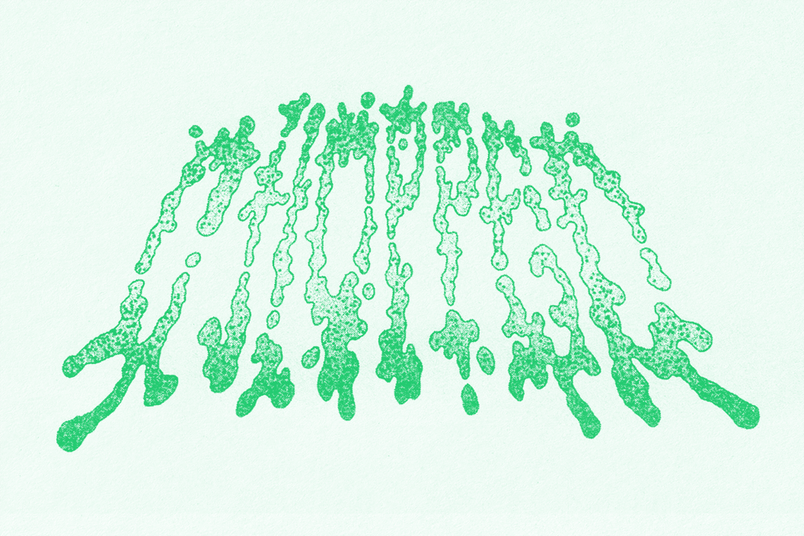
Meme coin [cryptocurrency originating from online memes] markets are also important to look at. As soon as a meme like “chopped” starts trending, that meme coin will go way up because it represents a proportional slice of our attention. So the value of these transient coins is inextricably linked to the overall popularity of the meme.
You also wrote about the ways that ChatGPT is changing the way people write and speak. What do you think of the ways we’ve taught LLMs to communicate, and how they’re now affecting us?
Merriam-Webster’s 2025 word of the year is “slop,” defined as “digital content of low quality that is produced usually in quantity by means of artificial intelligence.”
You have to understand that anytime we try to represent language, we’re going to do it inaccurately. A dictionary is an inaccurate representation of language, and so are the inputs going into ChatGPT. We know that those inputs disproportionately represented the word “delve,” and as we started writing research papers based on AI, there was a 10-times uptick in the number of abstracts using the word “delve” in the past three years. When we see these words represented, they become available in our mental lexicon.

AI is structured like a conversation and designed to mirror your responses with a similar tone of voice, which helps you anthropomorphize it. The most important thing to remember when you’re interacting with either algorithms or AI is that it’s a predictive machine, and if it’s predicting the most likely response, it’s ignoring the outliers—but sometimes the outliers are the most interesting parts.
If [AI is] predicting the most likely response, it’s ignoring the outliers—but sometimes the outliers are the most interesting parts.
How do you go about finding those outliers?
You should know exactly what this tool is good for, and use it for that purpose. This could be different for different people. I ask ChatGPT to spell-check my essays, or to suggest authors similar to the ones I’m interested in. But I think your own discovery process is important because the way you approach things has meaning to you.
For similar reasons, I spend a lot of time thinking about what it means to experience the scroll state in social media. Studies show that people prefer the infinite scroll to having to work for content, but they also tend to get greater satisfaction when they’ve found their own stuff.
I think your own discovery process is important because the way you approach things has meaning to you.
What do you most want people to take away from your book?
The medium is the message—how we’re communicating ultimately shapes the communication. We should be incredibly literate of how these media are affecting our experience, and engage with it critically to know what community a meme might’ve come from, or why something is being recommended. If we keep these things in mind, we can be more conscious citizens of the internet—and the world.

Explore Software Is Culture, a collection of stories tracing the impact of design on how we think, feel, and connect.