Pinterest Image Size Guide


Share Pinterest Image Size Guide
Explore more from
Social media guide
Make Social Media Work Smarter, Not Harder
Transform posts into lasting growth with Figma Buzz.


Besides Instagram, Pinterest is probably the most image-heavy of all social media platforms. As a result, many businesses (including retailers) and individuals (including bloggers) strive to post images that are eminently pinnable. Meanwhile, Pinterest itself makes their image requirements very straightforward, both for their users and for individuals and companies that hope to utilize Pinterest’s popularity to reach out to potential customers. Pinterest image size is about as intuitive as it gets.

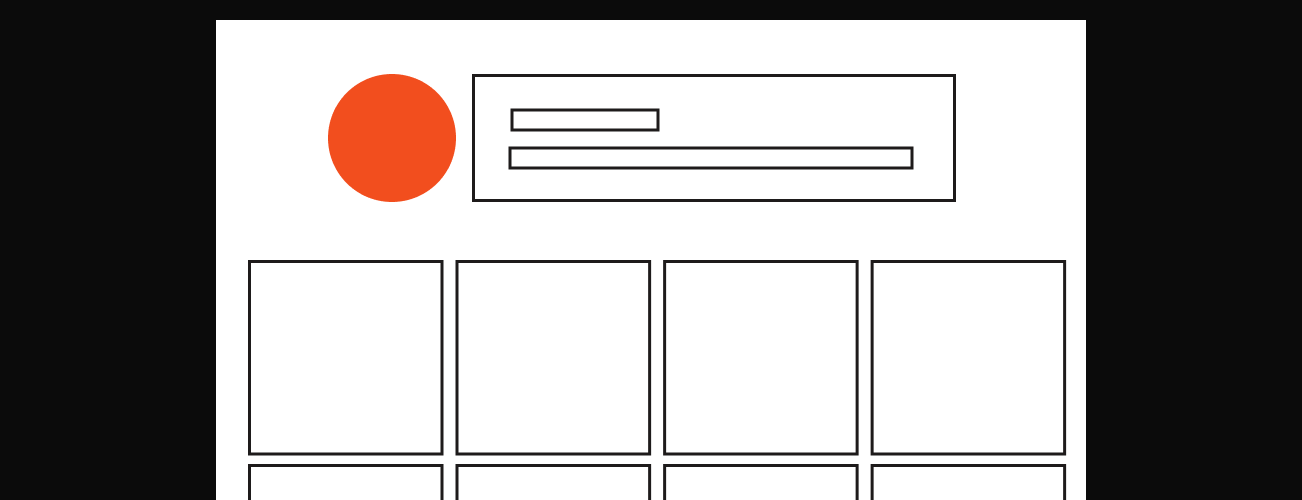
Profile Photo
Because Pinterest doesn’t have cover photos or headers, the profile photo is the user’s primary opportunity to convey who they are. For businesses, a logo is usually used. For individuals like lifestyle bloggers or designers, a portrait or personal photo is typically the way to go. The standard Pinterest profile photo is 165 by 165 pixels (which, as in the case of YouTube profile pictures, will be cropped into a circle).

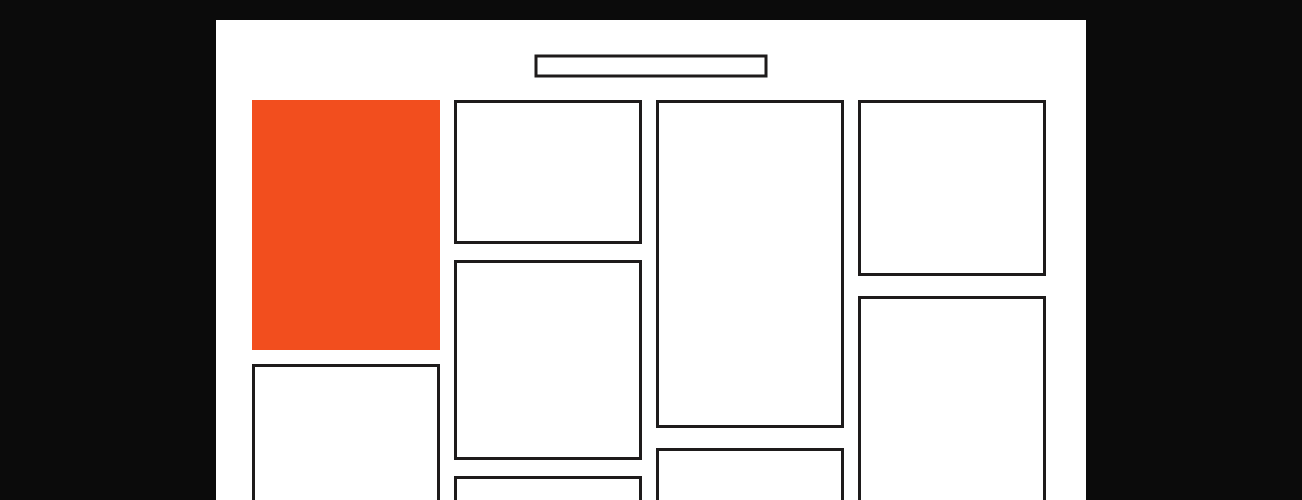
Pins
Pinterest has a portrait-oriented layout, meaning that vertical images with a 2:3 ratio are the best fit for the platform. While a Pinterest image size of 735 by 1102 pixels is considered ideal, there’s a lot of flexibility: Pinterest will display anything down to a width of 238 pixels with an appropriately scaled height, which allows for longer images to be posted and pinned.

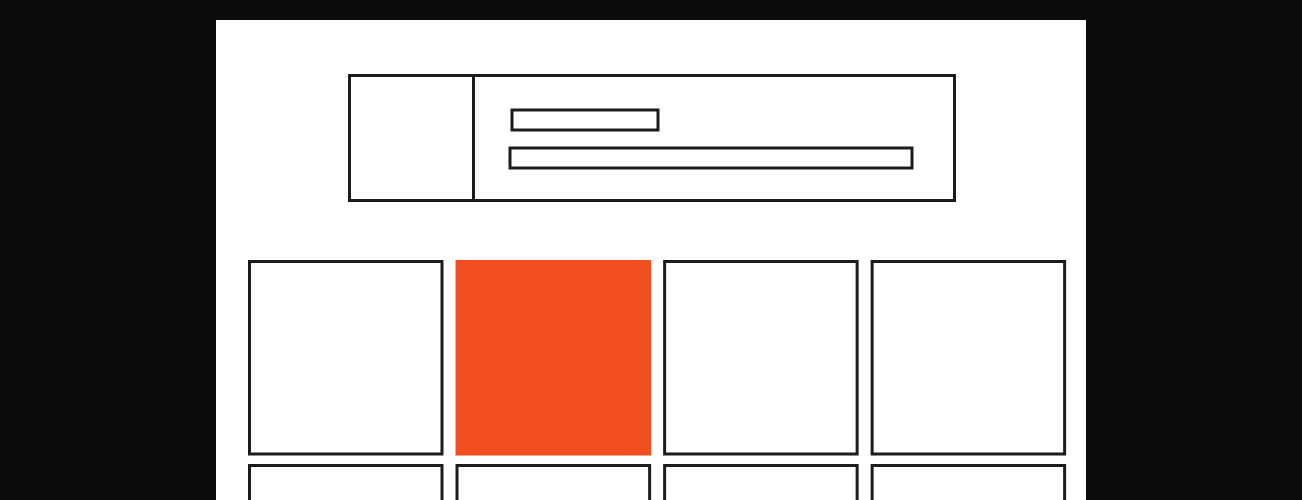
Boards
Pins don’t just float around in the ether: they are categorized and organized on people’s boards, which come along with a board cover photo. Users can select a striking image in conjunction with specific and keyword-rich naming conventions to make their boards more appealing. The current Pinterest image size standard for board cover photos is 222 by 150 pixels.
In the constantly shifting world of social media image sizes, there is comfort to be found in Pinterest. Their straightforward and instinctual guidelines make them one of the most pleasurable social media platforms when it comes to creating and curating visual media.
More size guides

Facebook has several different image types, and each one comes with its own parameters. Here is a breakdown of each image type and size, as well as some guidelines on best practices to follow for Facebook cover photos, banners, profile pictures, and more.


YouTube
When you think of YouTube, the first word that probably pops into your mind is “video.” But static images play an important role in your YouTube profile. YouTube banners and channel art tells the story of your brand before your audience even hits play.

Instagram is an incredibly visual medium, so it’s important to really dial in on best practices when posting to the platform. Beyond filtering your posts to be aesthetically appealing, there’s more to Instagram’s visual curation than meets the eye.

Brevity is the soul of Twitter. Since you’re restricted to 280 characters, media is a great way to help you convey your message. Image and video posts give you new ways to communicate with your followers and help you stand out in a vast sea of Tweets.

You might not think of LinkedIn as an image-centric social media platform. But LinkedIn photos play an important role, and give prospective employers or clients subtle but important cues. Here are some best practices to help you make your best impression.

Twitch
Boasting more than 100 million unique users, Twitch is no longer a niche social network. The social media landscape is always evolving, and Twitch boasts an engaged, coveted demographic of 18 to 34 yr olds, making it an attractive platform for marketers.

Soundcloud
Gone are the days of handing out your mixtape. Soundcloud has enabled musicians to build a following by putting them directly on the radar of music consumers. Create a 🔥 album cover or profile pic and step up your music marketing.


Google Display Ads
Google display ads are one of the most valuable ways to reach customers. The sheer reach of Google’s network and targeting allow you to convert your audience at scale. Learn more about Google display design best practices.