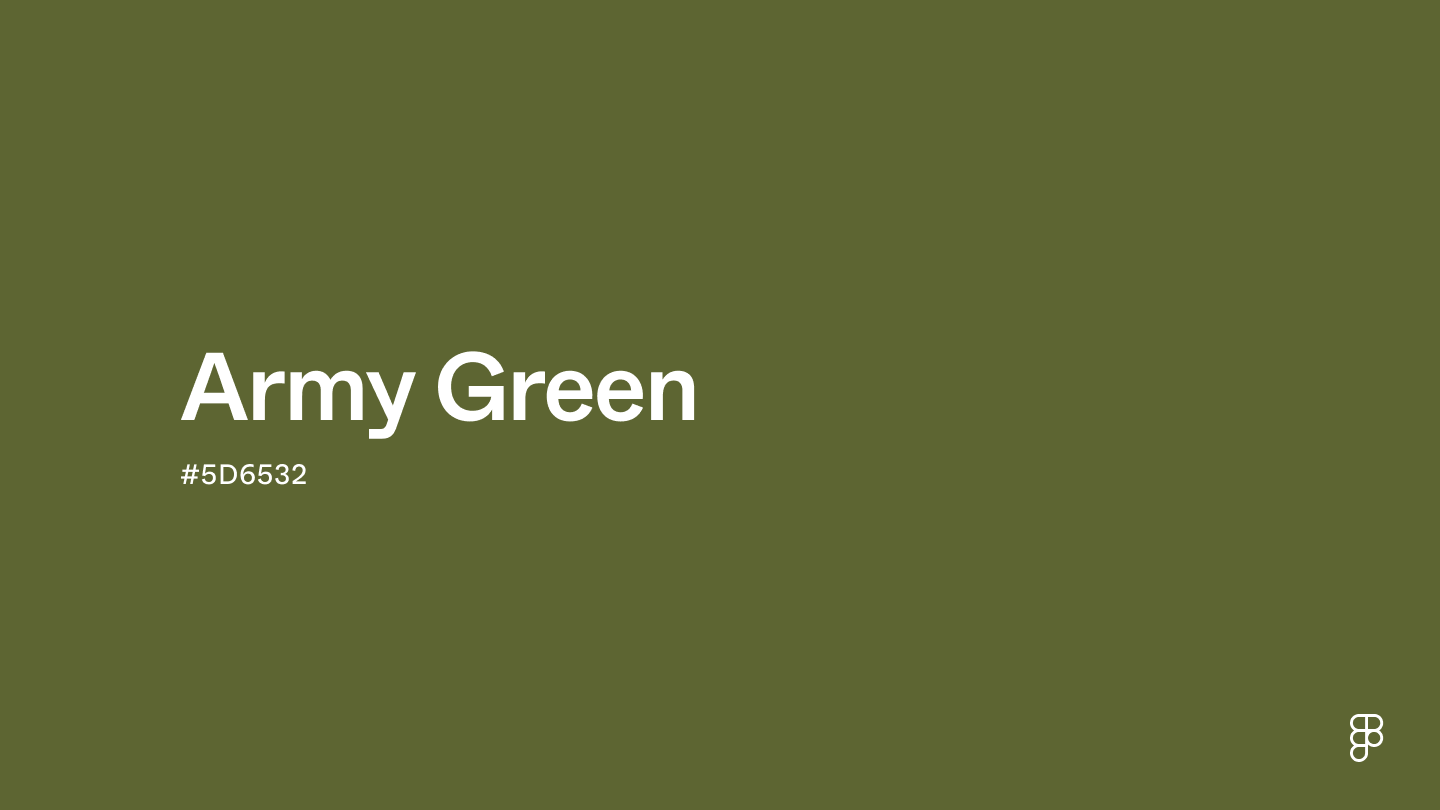
Army green is a muted shade of green with warm yellow undertones. Its connection to the military symbolizes strength and resilience, while its earthy hue evokes a sense of growth, balance, and tranquility.

Color variations
Shades
Tints
Tones
Hues
Color Harmonies
Complementary
Split
Monochromatic
Analogous
Triadic
Square
Custom Palettes
Pickle Jar
Whispering Woods
Swampland
Army green is defined by the following color codes and values to ensure consistency across various digital platforms and devices.
- HEX code: #5D6532
- RGB value: 36.5% red, 39.6% green, and 19.6% blue
Accessibility considerations play a crucial role in UX and UI design color choices. Figma offers plugins in the Community to make sure your designs meet Web Content Accessibility Guidelines.
Here are some ways to use army green in your designs:
- Draw attention. When paired with a light neutral background like beige or cream, army green guides a user’s eye to important elements on a page, like buttons, icons, CTAs, or navigation menus.
- Create a nature-inspired theme. Army green works well for apps related to hiking, gardening, or other outdoor activities, emphasizing the shade’s connection to nature.
- Convey growth and balance. Wellness, health, or self-care apps promoting new beginnings, vitality, and tranquility can use army green to ensure the UI resonates with those seeking improved well-being.
Keep in mind that color and its meaning can change from culture to culture—and at any given time. If you are designing for a global audience, research color considerations for your specific regions.
For variations within the same earthy spectrum as army green, consider:
- Olive green (#636B2F) is a tad lighter but shares a similar warmth from its yellow influence.
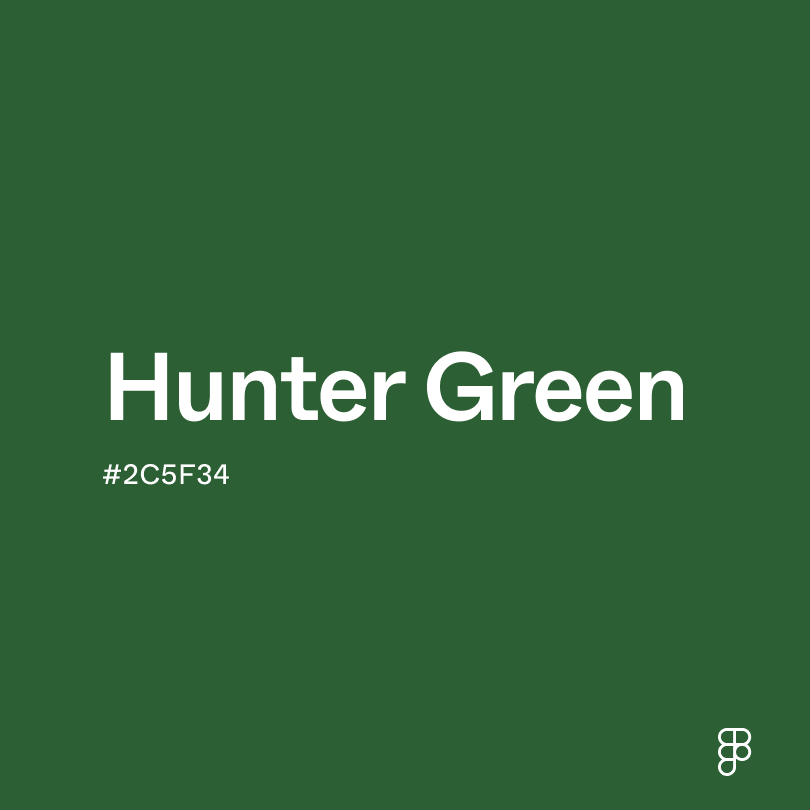
- Hunter green (#2C5F34) appears darker with less yellow undertones.
- Moss green (#7E8C54) radiates a lighter and airy feel compared to army green’s subdued hue.
- Green sage (#98A869) offers a touch of brightness while maintaining the same earthy qualities.
To complement army green, consider pairing it with:
- Apricot (#FFB27F) injects a pop of energy while maintaining army green’s muted nature.
- Cream (#FDFBD4) provides a warm and natural feel next to army green.
- Beige (#EDE8D0) creates an earthy color combination.
- Maroon (#550000) enhances army green’s warmth for a rich and sophisticated color pairing.
- Midnight blue (#272757) complements army green, offering a balanced contrast.
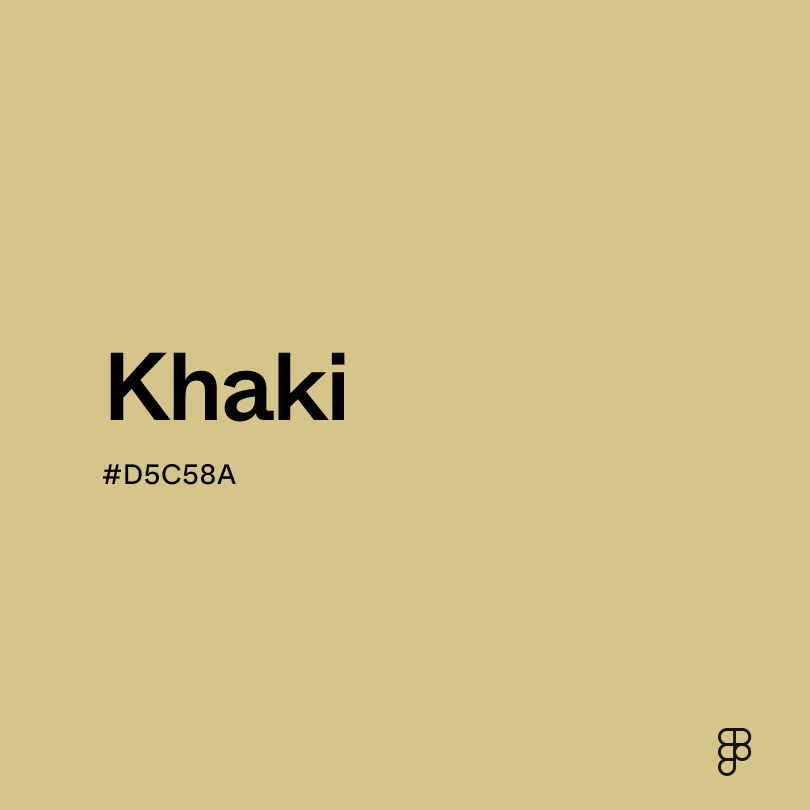
Other colors worth considering include khaki for a military-inspired pairing, dark green for a monochromatic look, and light pink for a soft and romantic feel.
While army green is warm, it may clash with:
- Hot pink (#FF13F0) disrupts the calming nature of army green due to its saturation.
- Red (#FF2C2C) creates a visually jarring contrast and may be hard for those with color deficiencies to differentiate from army green.
- Bright yellow (#FFED29) may lack harmony with army green because of its intensity.
- Neon purple (#8A00C4) is bright and saturated, which can appear unbalanced next to army green’s earthy, muted hue.
Army green symbolizes growth and renewal, while its earthy nature hints at tranquility and balance. Because of its military influence, it also carries connotations of strength and resilience.
In color psychology, army green has calming and grounding qualities. It can promote feelings of peace and calmness, while its connection to nature promotes renewed energy and invigoration.
In UI design, army green creates a natural color palette that’s ideal for health, wellness, or outdoor activity apps. When paired with light neutral shades, army green stands out, guiding a user’s attention to the most important UI elements.
During the 19th century, the United States Army adopted khaki and olive drab-colored uniforms. These muted earth tones were more practical than the bright uniforms worn before, offering better camouflage on the battlefield. After World War II, army green became the standard uniform color for the U.S. Army, also known as the “Greens uniform.” In 2014, these uniforms were discontinued, and the blue Army Service Uniform (ASU) became the standard.
However, in 2018, the U.S. Army announced the release of the Army Green Service Uniform (AGSU) to honor the soldiers from World War II. By 2027, all soldiers will be required to wear this uniform, with the blue ASU becoming optional for formal ceremonies.
Over time, the color name “army green” has been used to represent the widespread use of the color throughout military history. Today, army green remains a strong foundational color for many military uniforms, tactical gear, and equipment, but is also used in fashion, art, and interior design.
Contrast 6.23
- Large Text
#5D6532
- Normal Text
How you design, align, and build matters. Do it together with Figma.
| Category | ||
|---|---|---|
Pass | Fail | |
Pass | Pass | |
Pass | Pass |
Contrast 3.37
- Large Text
#5D6532
- Normal Text
How you design, align, and build matters. Do it together with Figma.
| Category | ||
|---|---|---|
Fail | Fail | |
Pass | Fail | |
Pass | Fail |
Color simulations
Protanopia
Deuteranopia
Tritanopia
Achromatopsia
The hexadecimal color #5D6532, known as army green, has RGB values of R:93 G:101, B:50 and CMYK values of C:0.08, M:0, Y:0.5, K:0.6.
| VALUE | CSS | |
|---|---|---|
| HEX | 5D6532 | #5D6532 |
| RGB DECIMAL | 93, 101, 50 | RGB(93,101,50) |
| RGB PERCENTAGE | 36.5, 39.6, 19.6 | RGB(36.5%,39.6%,19.6%) |
| CMYK | 8, 0, 50, 60 | |
| HSL | 69.4°, 33.8, 29.6 | HSL(69.4°,33.8%,29.6%) |
| HSV (OR HSB) | 69.4°, 50.5, 39.6 | |
| WEB SAFE | 666633 | #666633 |
| CIE-LAB | 41, -11.685, 27.653 | |
| XYZ | 9.743, 11.865, 4.794 | |
| xyY | 0.369, 0.449, 11.865 | |
| CIE-LCH | 41, 30.02, 112.907 | |
| CIE-LUV | 41, -2.662, 32 | |
| HUNTER-LAB | 34.445, -9.787, 15.85 | |
| BINARY | 01011101, 01100101, 00110010 | |
| iOS - SwiftUI | Color(red: 0.365, green: 0.396, blue: 0.196 | |
| iOS - UIKit | UIColor(red: 0.365, green: 0.396, blue: 0.196, alpha: 1) | |
| Android - Compose | Color(0xFF5D6532) |