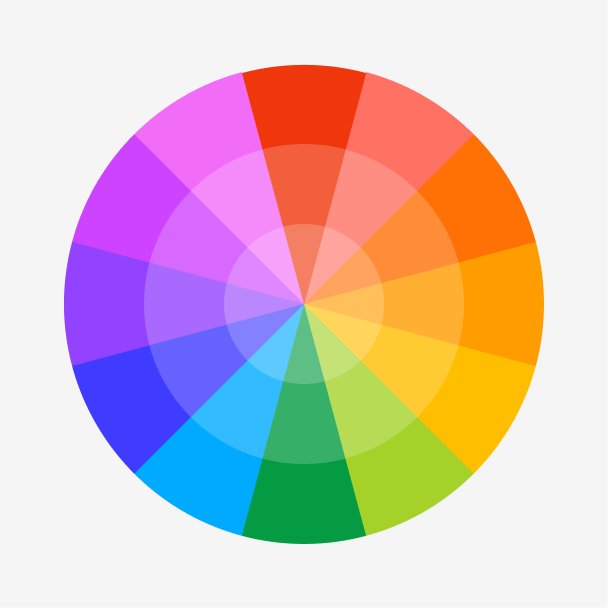
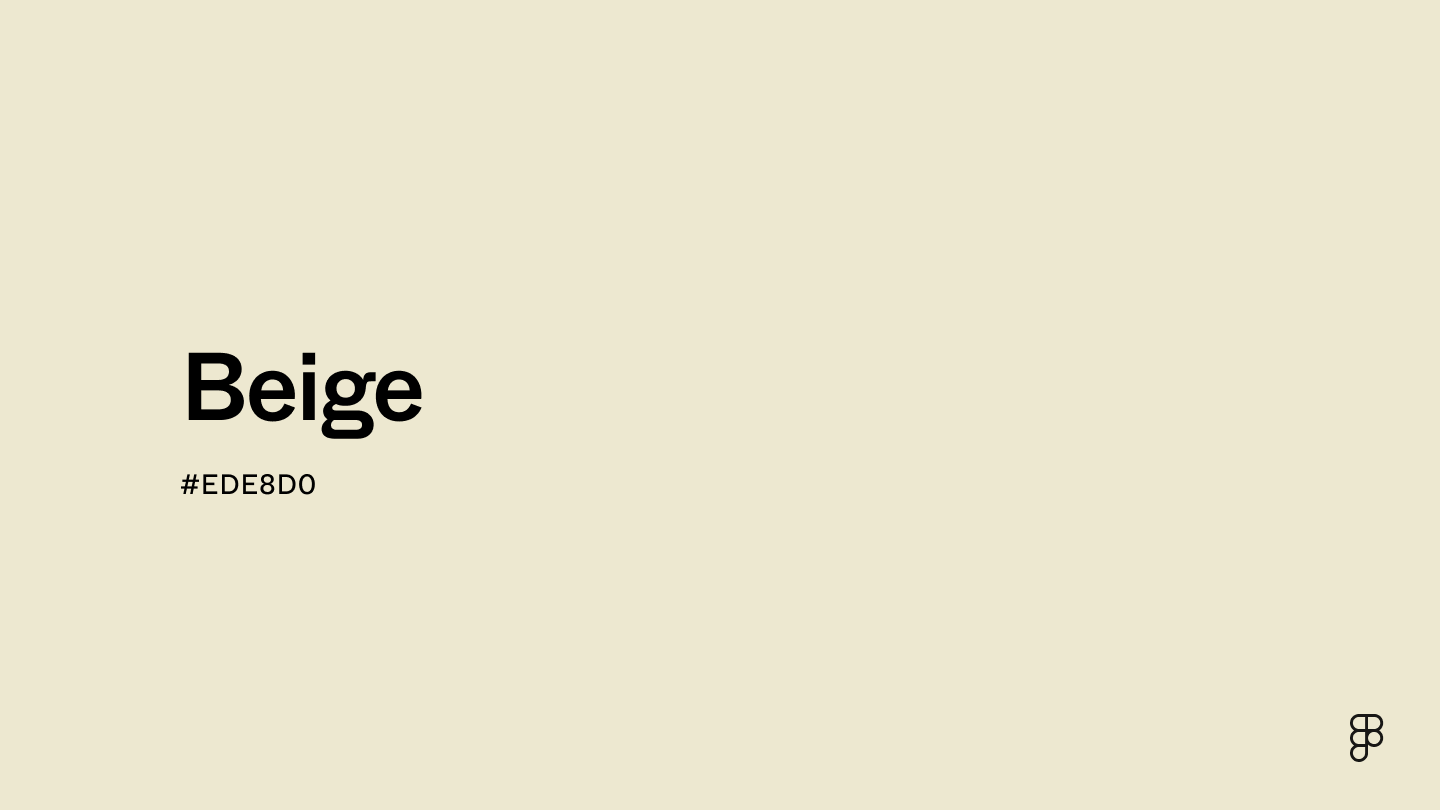
Beige is a light and versatile neutral color that subtly blends soft tones of brown and white. This hue is positioned toward the lighter end of the brown spectrum on the color wheel. It resembles a pale cream rather than spanning to darker hues like taupe, and offers a warm, understated elegance.

Color variations
Shades
Tints
Tones
Hues
Color harmonies
Complementary
Split
Monochromatic
Analogous
Triadic
Square
Custom palettes
Vanilla Bean
Beachfront Views
Boho Beige
Beige is defined by the following color codes and values to ensure consistency across various digital platforms and devices.
- HEX code: #EDE8D0
- RGB value: 92.9% red, 91% green and 81.6% blue
Accessibility considerations play a crucial role in UX and UI design color choices. Figma offers plugins in the Community to make sure your designs meet Web Content Accessibility Guidelines.
To effectively use beige in UI design, consider the following:
- Create a subtle and elegant interface. Beige offers a neutral backdrop that exudes warmth and sophistication, making it ideal for designs that aim for an understated elegance.
- Enhance readability and comfort. Its soft tones can reduce eye strain, making reading and navigating your UI more comfortable for users, particularly in applications that involve extensive text or longer browsing sessions.
- Pair with rich accent colors. Use beige alongside richer hues like deep blue or burgundy to introduce contrast and highlight key elements without sacrificing the overall calm and harmonious feel.
- Convey reliability and stability. Beige's association with calmness and reliability makes it suitable for brands that wish to project a trustworthy and stable image through their digital presence.
Keep in mind that color and its meaning can change from culture to culture—and at any given time. If you are designing for a global audience, research color considerations for your specific regions.
For variations within the same soft and neutral spectrum as beige, consider:
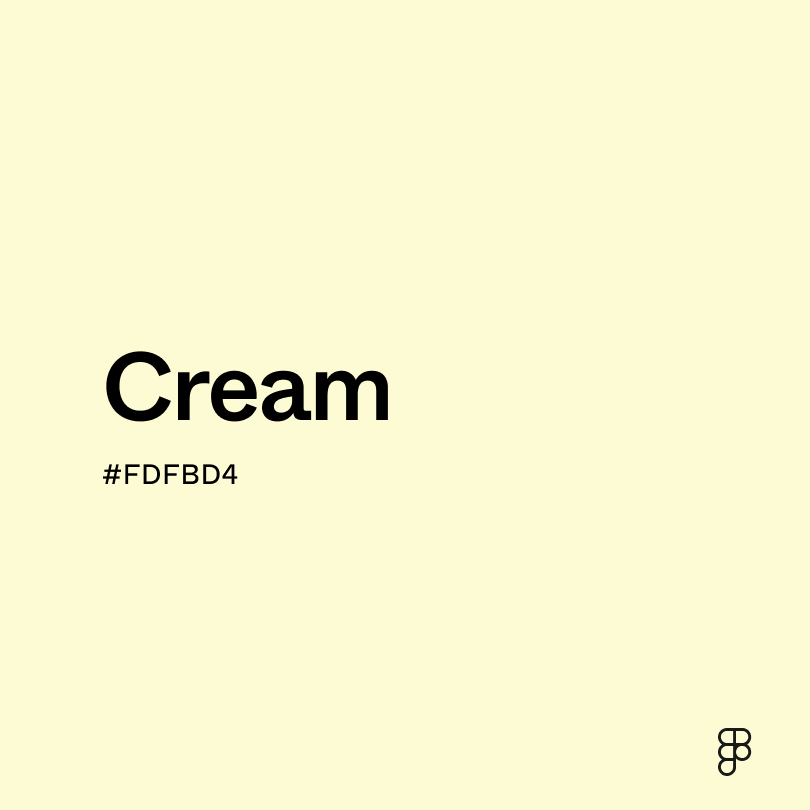
- Cream (#FDFBD4) offers a lighter, airier version of beige, imbuing spaces with a gentle, calming warmth while maintaining neutral simplicity.
- Tan (#D6B588) is a bit darker, bringing in a touch of earthiness, resembling the color of untanned leather, and holds a warm, inviting presence similar to beige.
- Khaki (#F0E68C) introduces a slightly more yellow undertone, echoing military uniforms' natural and muted aesthetic.
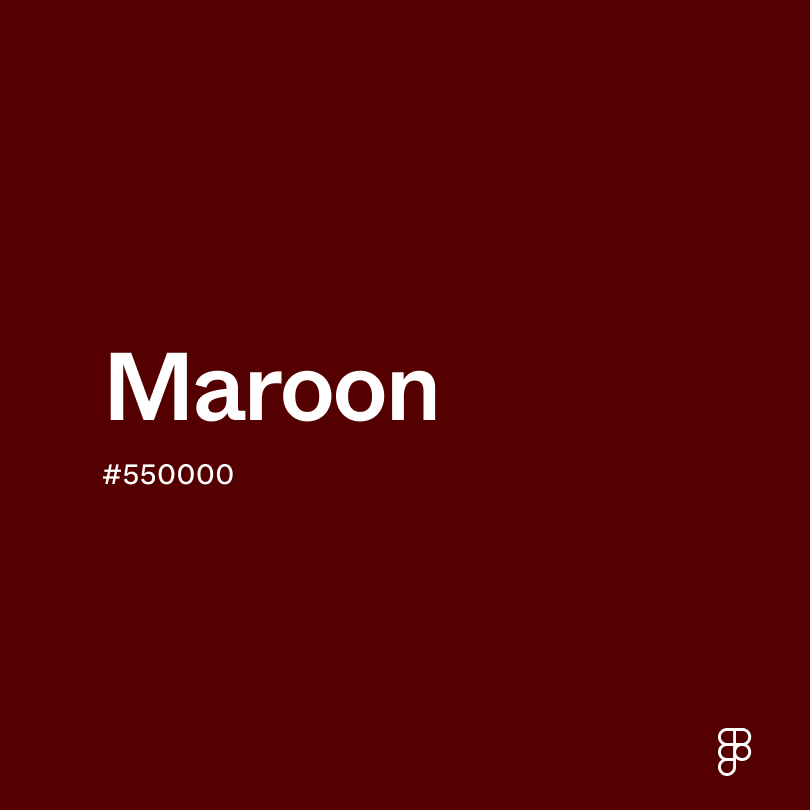
- Taupe (#54463A), though generally darker, shares beige's blend of brown and gray tones, providing a deeper yet equally versatile and neutral option.
To complement beige's understated tones, consider pairing it with:
- Dusty rose (#DCA1A1) introduces a soft, muted pink that harmonizes beautifully with beige, adding a touch of color without overwhelming its subtle elegance.
- Sage green (#9DC183) brings a touch of nature and a serene vibe, creating a refreshing, harmonious palette that emphasizes the organic qualities of beige.
- Midnight blue (#272757) offers a deep, rich contrast, adding a touch of sophistication and depth to the airy lightness of beige for a balanced, elegant look.
- Burnt orange (#BE5103) adds warmth and vibrant energy, providing a cozy, autumnal complement to beige's neutral, calming base.
- Charcoal gray (#4A4A4A), as a solid and modern neutral, pairs seamlessly with beige, grounding the palette with its strong, contemporary edge.
Other colors whttps://fig.px4.zidev.ir/colors/burnt-orange/orth considering include soft lavender for a gentle, whimsical palette, light turquoise for a subtle, refreshing contrast, and metallic silver or gold for glamour and sophistication.
While beige is incredibly versatile, it may clash with:
- Neon green (#89F336) can be overly vibrant, overshadowing the soft subtlety of beige with its high intensity and brightness.
- Electric blue (#00F0FF), with its bold, vivid hue, might contrast too starkly against beige, creating a visual tension that detracts from beige's serene quality.
- Hot pink (#FF69B4) offers a stark, vibrant contrast that can overwhelm the neutral, calming effect of beige, leading to a potentially discordant combination.
- Bright red (#FF0000), although a classic and bold color, may be too strong and overpowering when paired with the gentle and understated nature of beige.
- Purple (#800080), while regal and deep, might compete with beige's lightness, potentially creating a heavy and less cohesive palette.
Beige symbolizes simplicity, calmness, and neutrality. Its earthy tone connects it to the natural world, evoking a sense of stability and reliability. In color psychology, beige is often seen as a color of simplicity and comfort, providing a calming presence that promotes relaxation and tranquility.
In branding and UI/UX design, beige conveys a sense of practicality and timelessness, creating a serene and welcoming atmosphere. Beige's neutrality makes it a powerful choice for communicating an aura of effortless elegance and understated luxury.
Beige comes from the French word for natural, unbleached, undyed wool. In the early 20th century, beige became popular when the fashion industry adopted it for its simplicity and authenticity. Designers like Coco Chanel played a key role in turning beige from a practical color to sophistication and elegance. Chanel added beige to her designs in the 1920s, connecting it to understated luxury and timeless style. In interior design, beige has been a staple for creating minimalist and modern spaces, and it is known for adding warmth and spaciousness.
Contrast checker
Contrast 1.23
- Large Text
#EDE8D0
- Normal Text
How you design, align, and build matters. Do it together with Figma.
| Category | ||
|---|---|---|
Fail | Fail | |
Fail | Fail | |
Fail | Fail |
Contrast 17.05
- Large Text
#EDE8D0
- Normal Text
How you design, align, and build matters. Do it together with Figma.
| Category | ||
|---|---|---|
Pass | Pass | |
Pass | Pass | |
Pass | Pass |
Color simulations
Protanopia
Deuteranopia
Tritanopia
Achromatopsia
The hexadecimal color #EDE8D0, known as beige, has RGB values of R:237, G:232, B:208 and CMYK values of C:0, M:0.02, Y:0.12, K:0.07.
| VALUE | CSS | |
|---|---|---|
| HEX | EDE8D0 | #EDE8D0 |
| RGB DECIMAL | 237, 232, 208 | rgb(237,232,208) |
| RGB PERCENTAGE | 92.9, 91, 81.6 | rgb(92.9%,91%,81.6%) |
| CMYK | 0, 2, 12, 7 | |
| HSL | 49.7°, 44.6, 87.3 | hsl(49.7,44.6%,87.3%) |
| HSV (OR HSB) | 49.7°, 12.2, 92.9 | |
| WEB SAFE | FFFFCC | #FFFFCC |
| CIE-LAB | 91.807, -2.309, 12.275 | |
| XYZ | 75.165, 80.272, 71.205 | |
| xyY | 0.332, 0.354, 80.272 | |
| CIE-LCH | 91.807, 12.49, 100.651 | |
| CIE-LUV | 91.807, 4.246, 18.617 | |
| HUNTER-LAB | 89.595, -7.04, 15.596 | |
| BINARY | 11101101, 11101000, 11010000 | |
| iOS - SwiftUI | Color(red: 237/255, green: 232/255, blue: 208/255) | |
| iOS - UIKit | UIColor(red: 237/255.0, green: 232/255.0, blue: 208/255.0, alpha: 1.0) | |
| Android - Compose | Color(0xFFEDE8D0) |