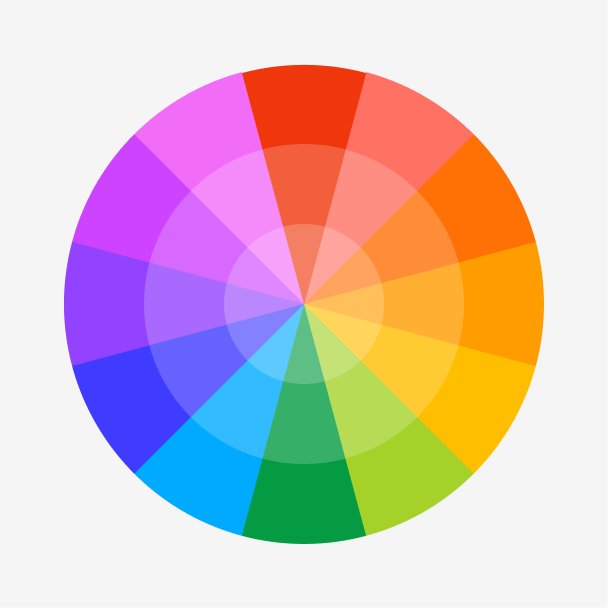
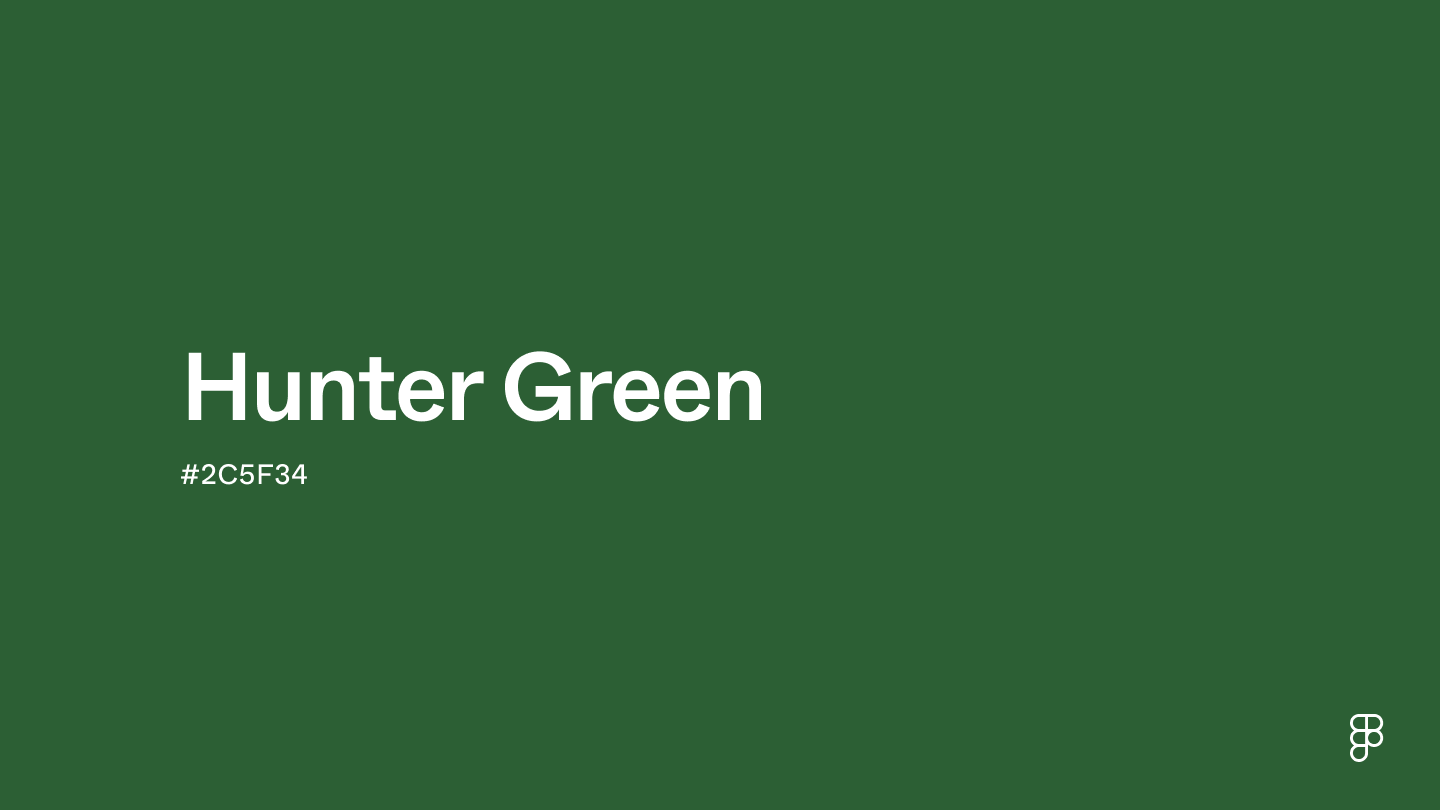
Hunter green is a lush color that embodies growth and new beginnings. This cool-toned shade is positioned between blue and green on the color wheel, evoking feelings of peace and balance.

Color variations
Shades
Tints
Tones
Hues
Color Harmonies
Complementary
Split
Monochromatic
Analogous
Triadic
Square
Custom Palettes
Kale
Picnic
Modern Forest
Hunter green is defined by the following color codes and values to ensure consistency across various digital platforms and devices.
- HEX code: #2C5F34
- RGB value: 17.3% red, 37.3% green, and 20.4% blue
Accessibility considerations play a crucial role in UX and UI design color choices. Figma offers plugins in the Community to make sure your designs meet Web Content Accessibility Guidelines.
Here are some ways to use hunter green in your designs:
- Create a nature-inspired aesthetic. Hunter green’s earthy tones evoke growth and freshness, making it ideal for brands like Whole Foods and John Deere to promote healthy living and outdoor activities.
- Communicate luxury. Hunter green’s richness can convey a sense of affluence and prosperity. Consider using it for branding elements in financial services or high-end products.
- Use as a subtle accent. Small touches of hunter green can add depth and sophistication to your design. Try using it for borders, icons, or text to complement a neutral color palette.
Keep in mind that color and its meaning can change from culture to culture—and at any given time. If you are designing for a global audience, research color considerations for your specific regions.
For variations within the same earthy spectrum as hunter green, consider:
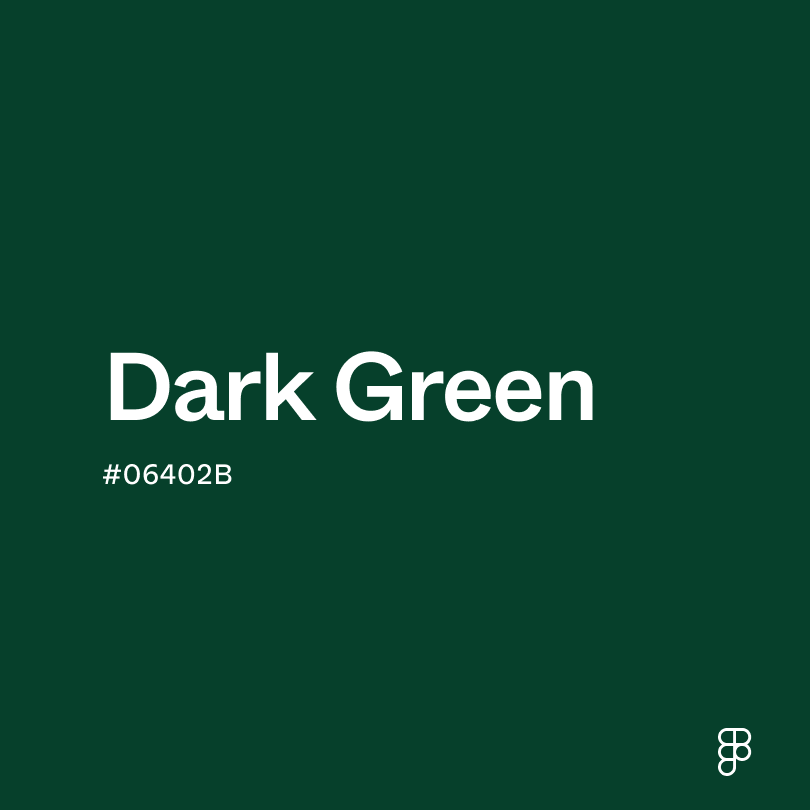
- Dark green (#06402B) leans even deeper and smokier than hunter green.
- Forest green (#2E6F40) is a close cousin to hunter green but slightly brighter.
- Emerald green (#00674F) is a jewel-toned green that exudes luxury and vibrancy.
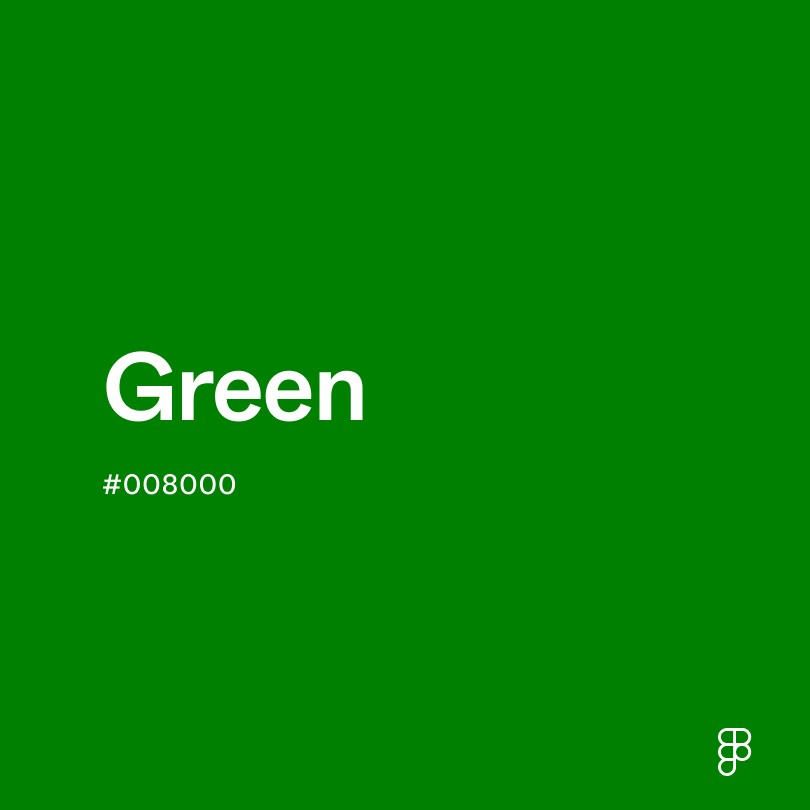
- Green (#008000) is a pure green that’s brighter and warmer than hunter green.
To complement hunter green, consider pairing it with:
- Burnt orange (#BE5103) creates a bold contrast next to hunter green, reminiscent of autumn foliage.
- Blood red (#780606) adds a touch of sophistication and unexpected energy to hunter green.
- Nude (#F7D9BC) grounds hunter green and creates a sense of balance.
- Rosewater (#FFD6D1) is a delicate pink that adds a touch of femininity to hunter green.
Other colors worth considering include neutrals like gray for a modern look and mustard yellow for a pop of color.
While hunter green is rich, it may clash with:
- Neon pink (#FF13F0) creates a harsh contrast that can overwhelm the sophistication of hunter green.
- Blue (#0000FF) next to hunter green can result in a cold and sterile feeling, lacking natural harmony.
- Purple (#9D00FF) competes with the depth of hunter green, creating a distracting effect.
- Bright yellow (#FFED29) sits awkwardly next to hunter green’s richness, making the combination feel unbalanced.
- Chartreuse (#CCFF00) is a highly saturated yellow tone that can be too busy with hunter green.
Hunter green’s association with nature makes it symbolic of growth and prosperity. This symbolism is why it might be used in logos for environmental groups or brands that promote healthy living.
In color psychology, hunter green is known to promote feelings of well-being, similar to spending time outdoors in a lush forest.
In UI design, hunter green can be used as a background color to create a sense of calm for users. However, using hunter green strategically is important, as too much can make a design feel heavy or overwhelming.
The term “hunter green” was coined in early 19th-century England. Hunters of this time used the hue on their garments because its deep, earthy tones provided camouflage with the surrounding trees.
Hunter green’s link with nature and the outdoors grew over the 20th century. Military uniforms sometimes used similar camouflage colors, which became popular in athletic gear and equipment.
Today, hunter green is used in various situations, including fashion and home design, while maintaining its link to nature.
Contrast 7.52
- Large Text
#2C5F34
- Normal Text
How you design, align, and build matters. Do it together with Figma.
| Category | ||
|---|---|---|
Pass | Pass | |
Pass | Pass | |
Pass | Pass |
Contrast 2.79
- Large Text
#2C5F34
- Normal Text
How you design, align, and build matters. Do it together with Figma.
| Category | ||
|---|---|---|
Fail | Fail | |
Fail | Fail | |
Fail | Fail |
Color simulations
Protanopia
Deuteranopia
Tritanopia
Achromatopsia
The hexadecimal color #2C5F34, known as hunter green, has RGB values of R:44 G:95, B:52 and CMYK values of C:0.54, M:0, Y:0.45, K:0.63.
| VALUE | CSS | |
|---|---|---|
| HEX | 2C5F34 | #2C5F34 |
| RGB DECIMAL | 44, 95, 52 | RGB(44,95,52) |
| RGB PERCENTAGE | 17.3, 37.3, 20.4 | RGB(17.3%,37.3%,20.4%) |
| CMYK | 54, 0, 45, 63 | |
| HSL | 129.4°, 36.7, 27.3 | HSL(129.4°,36.7%,27.3%) |
| HSV (OR HSB) | 129.4°, 53.7, 37.3 | |
| WEB SAFE | 336633 | #336633 |
| CIE-LAB | 35.922, -27.513, 19.479 | |
| XYZ | 5.75, 8.967, 4.676 | |
| xyY | 0.297, 0.462, 8.967 | |
| CIE-LCH | 35.922, 33.711, 144.701 | |
| CIE-LUV | 35.922, -22.77, 25.565 | |
| HUNTER-LAB | 29.946, -18.128, 11.703 | |
| BINARY | 00101100, 01011111, 00110100 | |
| iOS - SwiftUI | Color(red: 0.173, green: 0.373, blue: 0.204) | |
| iOS - UIKit | UIColor(red: 0.173, green: 0.373, blue: 0.204, alpha: 1) | |
| Android - Compose | Color(0xFF2C5F34) |