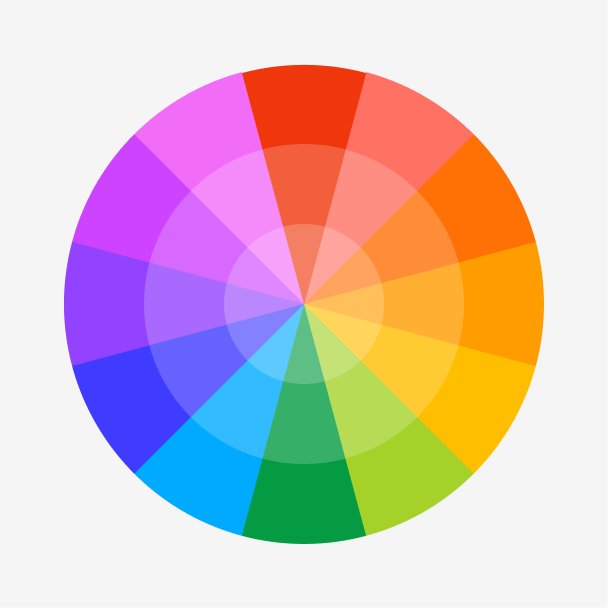
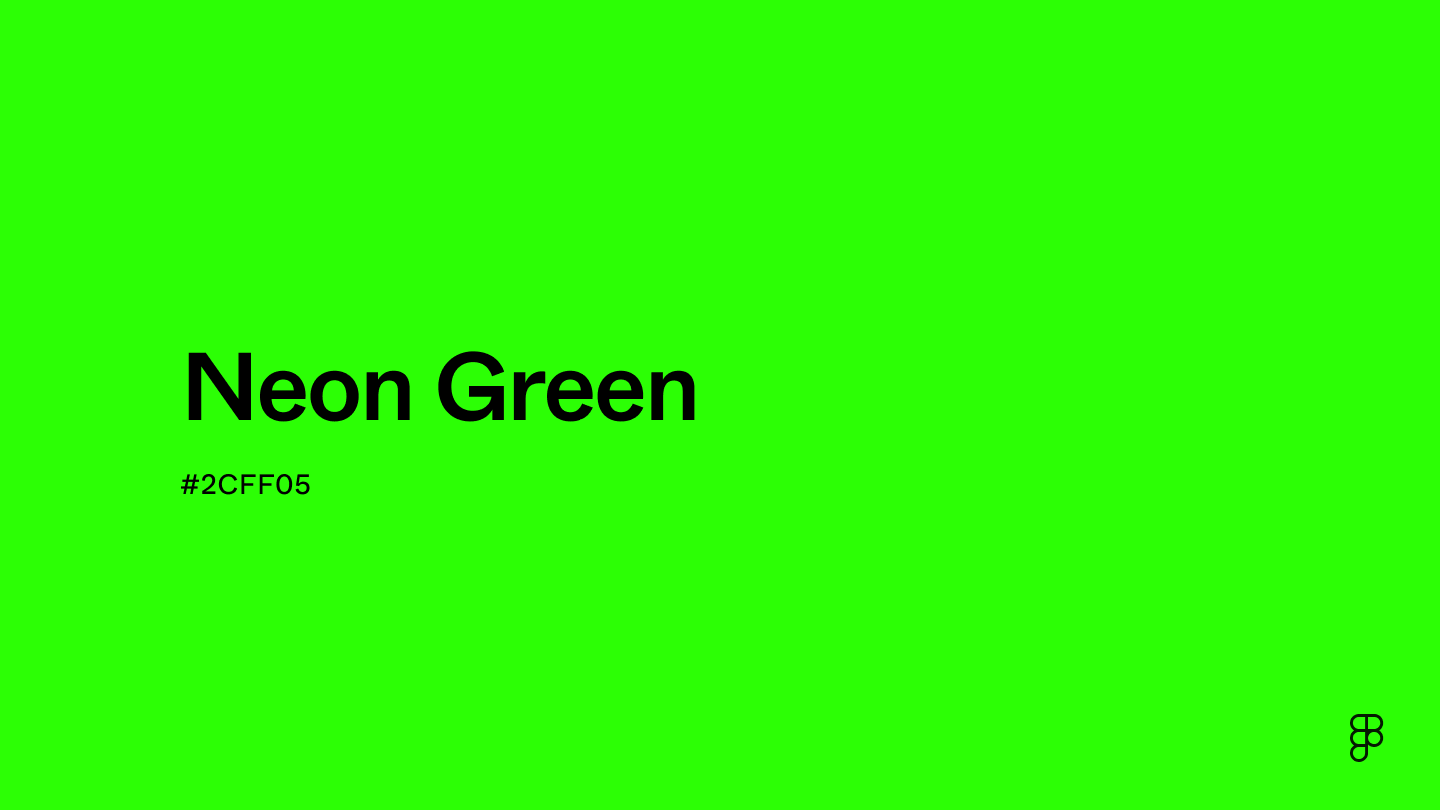
With its brightness and energy, neon green is an intensely vivid and electric hue. This shade sits near green and yellow on the color wheel, embodying vibrancy and modernity. It is distinctly radiant, resembling glowing fluorescent green.

Color variations
Shades
Tints
Tones
Hues
Color harmonies
Complementary
Split
Monochromatic
Analogous
Triadic
Square
Custom palettes
Alien Hues
80s Disco
Lime Spritzer
Neon green is defined by the following color codes and values to ensure consistency across various digital platforms and devices.
- HEX code: #2CFF05
- RGB value: 17.3% red, 100% green and 2% blue
Accessibility considerations play a crucial role in UX and UI design color choices. Figma offers plugins in the Community to make sure your designs meet Web Content Accessibility Guidelines.
Here are some ways to incorporate neon green into your project:
- Energize and attract attention. Neon green is incredibly vibrant and can be used to grab attention instantly. Use it for CTA buttons or progress bars to make them stand out.
- Use in gaming and entertainment apps. Given its dynamic and energetic vibe, neon green is perfect for gaming and entertainment apps, enhancing futuristic or high-energy aesthetics.
- Pair with dark backgrounds for pop. Neon green against dark backgrounds, especially in "dark mode" designs, creates a modern and highly readable contrast, making elements leap off the screen to encourage user engagement.
- Moderate use for highlighting. Use neon green sparingly to highlight important information or interactive elements to avoid overwhelming the design.
Keep in mind that color and its meaning can change from culture to culture—and at any given time. If you are designing for a global audience, research color considerations for your specific regions.
For variations within the same electrifying and vivid spectrum as neon green, consider:
- Lime green (#89F336) shares the same vibrant energy with a slightly less neon intensity, making it a more versatile yet equally lively alternative.
- Chartreuse (#CCFF00) turns up the brightness, offering a yellow-green hue that captures the eye-catching appeal of neon green with a slightly different tone.
- Fluorescent green (#39FF14) is nearly synonymous with neon green, providing a similar glow but with a touch of blue, making it slightly cooler in temperature.
- Electric lime (#7FFF00) blends the electrifying qualities of neon green with a softer, yellow undertone, creating a uniquely vibrant yet slightly more subdued color.
Neon green is very bold, so pairing it with other colors can be tricky. If you want a bright, eye-catching design, pair it with other bold primary colors like electric blues. If using neon green as an accent color, pair it with pinks in the red-violet range to complement the hints of red in its base. You might also consider:
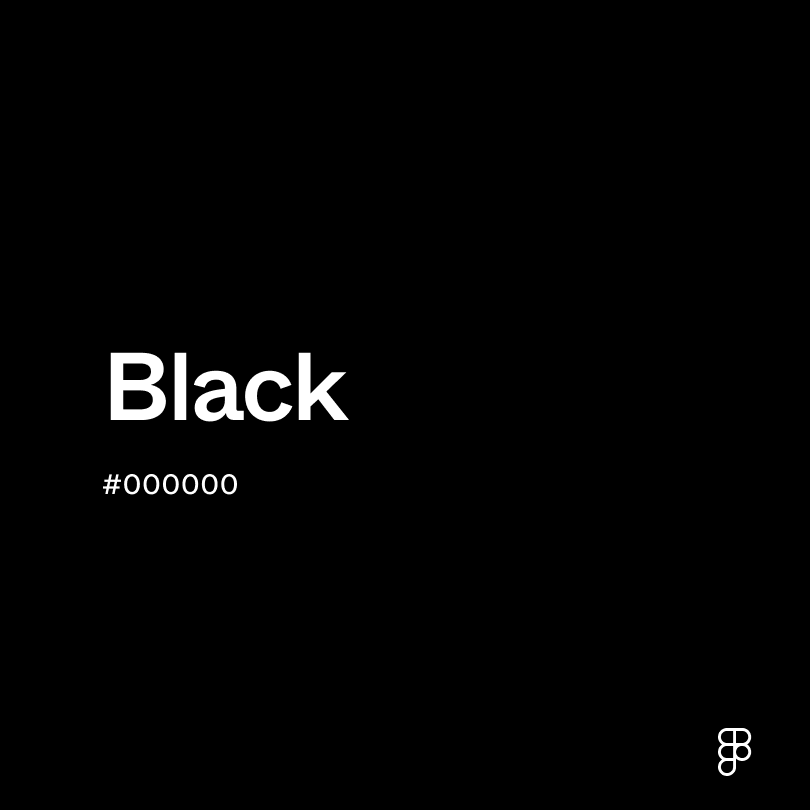
- Black (#000000) offers a stark, grounding contrast that allows neon green to stand out dramatically, enhancing its vibrancy.
- Dark gray (#8C92AC) provides a modern, neutral canvas that tempers the intensity of neon green for a balanced, contemporary look.
- White (#FFFFFF) creates a crisp, clean contrast that amplifies neon green's luminosity, making it pop even more.
- Royal blue (#305CDE) introduces a rich, deep color that contrasts with neon green's brightness, adding a regal dimension to the palette.
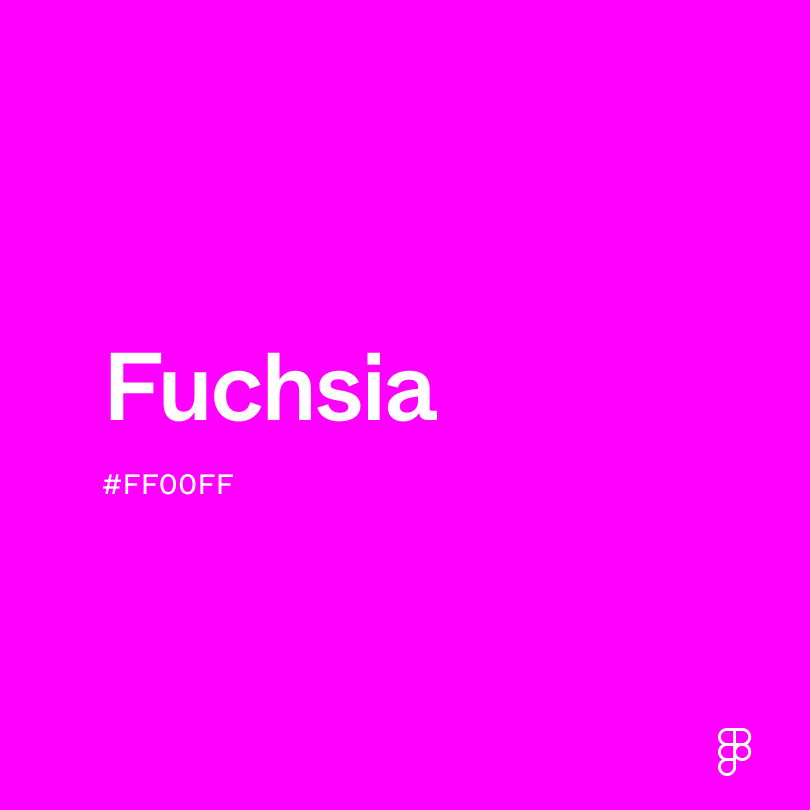
- Hot pink (#FF69B4) makes a bold, playful combination that's full of energy and fun, appealing to a youthful and vibrant aesthetic.
Other colors that work with neon green include navy blue for a classic, sophisticated contrast, silver for a futuristic, sleek design, and coral for a warm, summery vibe.
Neon green may clash with:
- Burnt orange (#CC5500) can create a visually jarring contrast that detracts from the cohesive flow of the color palette, making it less appealing.
- Olive green (#808000), with its muted, earthy tones, may not provide enough contrast and can dull neon green's vibrancy.
- Maroon (#800000), though rich and deep, can compete too much with neon green, creating a palette that might feel overwhelming or chaotic.
- Red (#FF2C2C) offers a classic contrast but can be too aggressive when paired with neon green, leading to a visually intense and potentially uncomfortable combination.
- Purple (#800080), while regal, may overshadow the brightness of neon green, leading to a heavy and less harmonious look.
Neon green symbolizes youth, vitality, and cutting-edge technology. Its brightness makes it stand out, representing innovation and forward thinking. Unlike traditional green which suggests calmness and nature, neon green conveys alertness and energy. Its ability to instantly grab attention makes it ideal for safety gear and high-visibility clothing, signaling warning and caution.
In color psychology, neon green’s effect shows a two-sided nature: Ican boost creativity and promote energy but it may irritate or overstimulate.
In UI design, using neon green requires balance to avoid overwhelming users. It can effectively highlight urgent notifications, offering a dynamic choice for digital spaces focused on leading-edge interaction and design. Be sure to use it with intention and puprose.
The history of neon green began with the discovery of neon gas in 1898 by British chemists William Ramsay and Morris W. Travers, which led to the invention of neon lights by Georges Claude. Initially popular in Paris, neon lights' distinctive, vibrant glow soon became a sensation in America.
Neon's application expanded to signage and safety clothing, enhancing visibility in hazardous settings. In the 1930s and 1940s, neon entered the art world, celebrated by icons like Andy Warhol. By the 1960s, neon's appeal dimmed and was associated with urban decay. Yet, artists like Joseph Kosuth and Dan Flavin revitalized neon through art installations, marking a neon resurgence in culture.
Today, neon colors—especially green—have rebounded in art, fashion, and advertising.
Contrast checker
Contrast 1.36
- Large Text
#2CFF05
- Normal Text
How you design, align, and build matters. Do it together with Figma.
| Category | ||
|---|---|---|
Fail | Fail | |
Fail | Fail | |
Fail | Fail |
Contrast 15.41
- Large Text
#2CFF05
- Normal Text
How you design, align, and build matters. Do it together with Figma.
| Category | ||
|---|---|---|
Pass | Pass | |
Pass | Pass | |
Pass | Pass |
Color simulations
Protanopia
Deuteranopia
Tritanopia
Achromatopsia
The hexadecimal color #2CFF05, known as neon green, has RGB values of R:44, G:255, B:5 and CMYK values of C:0.83, M:0, Y:0.98, K:0.
| VALUE | CSS | |
|---|---|---|
| HEX | 2cff05 | #2cff05 |
| RGB DECIMAL | 44, 255, 5 | rgb(44,255,5) |
| RGB PERCENTAGE | 17.3, 100, 2 | rgb(17.3%,100%,2%) |
| CMYK | 83, 0, 98, 0 | |
| HSL | 110.6°, 100, 51 | hsl(110.6,100%,51%) |
| HSV (OR HSB) | 110.6°, 98, 100 | |
| WEB SAFE | 33ff00 | #33ff00 |
| CIE-LAB | 87.999, -83.767, 83.121 | |
| XYZ | 36.824, 72.062, 12.112 | |
| xyY | 0.304, 0.596, 72.062 | |
| CIE-LCH | 87.999, 118.008, 135.222 | |
| CIE-LUV | 87.999, -80.32, 107.109 | |
| HUNTER-LAB | 84.89, -71.126, 50.963 | |
| BINARY | 00101100, 11111111, 00000101 | |
| iOS - SwiftUI | Color(red: 44/255, green: 255/255, blue: 5/255) | |
| iOS - UIKit | UIColor(red: 44/255.0, green: 255/255.0, blue: 5/255.0, alpha: 1.0) | |
| Android - Compose | Color(0xFF2CFF05) |