
The power of play


When Designer Advocate Laura Fehre set out to design a digital nail salon, she had a vision in mind. Nailing it, however, meant letting go of perfection and letting herself play.
Share The power of play
Hero illustration by Ohni Lisle
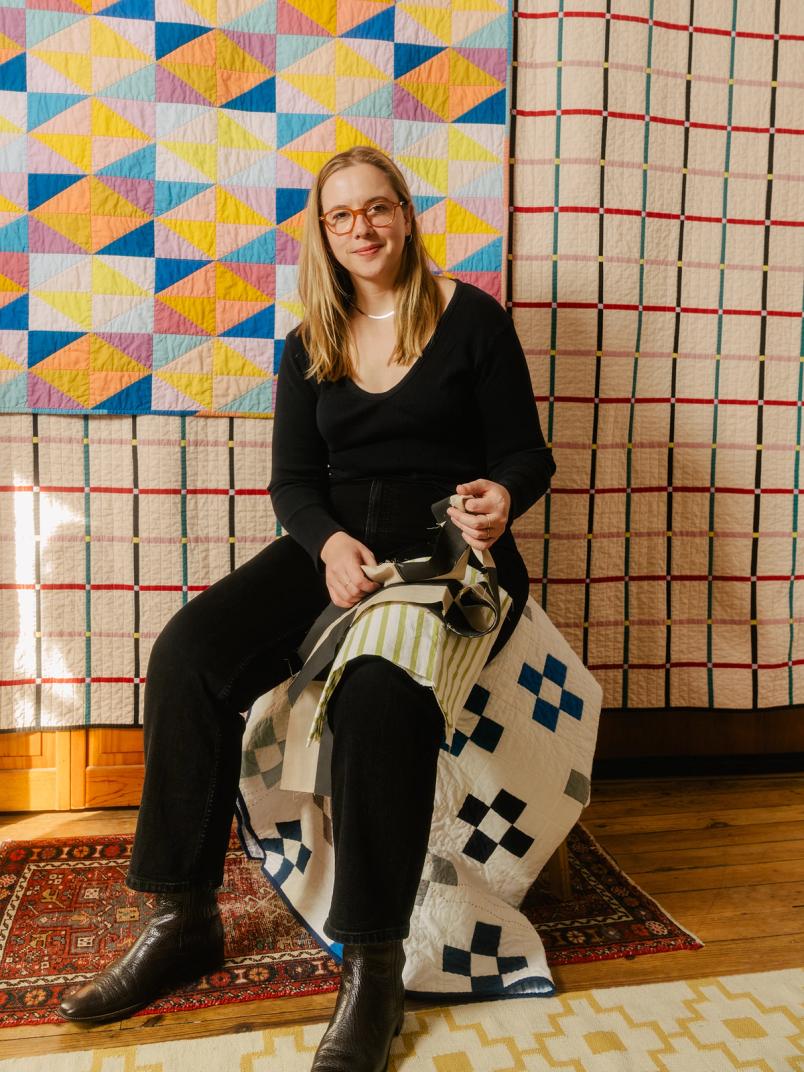
As a designer advocate at Figma, I’ve spent years immersing myself in design systems, building things to help people streamline and speed up work. But we shouldn’t forget that craft needs room to play—in fact, I’ve always preached that design systems should enable creativity, not block it.
Sometimes, we need to let go of structure and say yes to the unexpected detour. It’s a lesson I remembered when a routine nail appointment led me to build the Mani Mansion, a Figma playground for nail art lovers. Sometimes, when things don’t go according to plan, we can make surprising breakthroughs.
Finding inspiration in the everyday
Barbie Nail Designer was published by Mattel Media in September 1998.
After hours of scrolling through social feeds, I still hadn’t found a nail design that spoke to me. That’s when I remembered Barbie Nail Designer, a game I was obsessed with in childhood. As a kid, I’d spend hours creating nail designs for my friends, and even as an adult, my monthly appointment at the nail salon is a self-care ritual where time seems to slow down. It planted a seed: Why not recreate this experience in Figma? Instead of designing for efficiency, what if I designed something that encouraged people to lose track of time?
I needed to clear my head, so I went for a walk to look at nail salons around me. I came home with the hum of gossip and nail drills in my ears, the scent of almond-scented nail cleanser in my nose, and a vivid mental image of the ’90s aesthetic I wanted to go for.
I opened a new sketchbook to collect these impressions. I doodled plush seating, neon signs, and glossy countertops, realizing that the Mani Mansion would need to capture an atmosphere and vibe to feel true to life. It was about translating the textures, sounds, and smells into something interactive and playful in a digital space.
From problems to playtime
I wanted the Mani Mansion to be unique, disorderly, wild—the opposite of the design systems I’d spent so much time building. I carefully crafted every nail shape with the vector tool, making sure no two were alike, just like real nails.
But as I kept going, reality hit me. If every shape was truly distinct, it would be a nightmare to layer them. There was no way to combine elements without creating endless duplicates, making the file frustrating instead of fun. The structure I’d so intentionally avoided turned out to be exactly what I needed.
So, it was back to square one. I was lost. Insecure. I had spent years mastering Figma, but now it felt like I wasn’t as skilled as I thought. I’d had grand expectations of glossy illustrations and a full nail salon built in Figma, but the more I pushed, the more I had to admit that my graphic design skills had gotten a bit rusty.

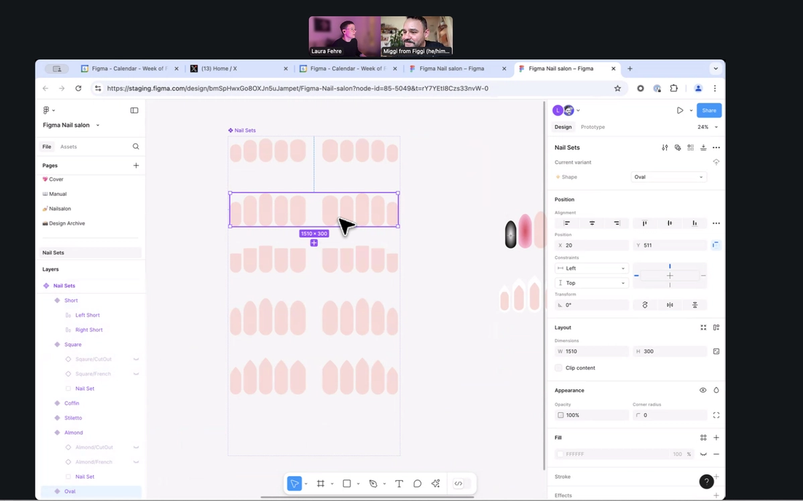
I swallowed my pride and reached out to my fellow Designer Advocate Miggi Cardona, and what started as a confession about feeling stuck became a breakthrough moment. We spent hours experimenting with nail shapes, playing with patterns, and simply enjoying the process. That feeling—of getting lost in creativity, forgetting the pressure of building something “useful”—was what I had wanted all along.
To unlock myself, I needed to reframe “problems” as opportunities for play. In the beginning, I set unrealistic expectations and focused on impressing others rather than creating something that delighted me The designer of Ableton’s Note app shares unconventional principles for creating unforgettable digital experiences.

Pablo Sánchez’s 7 rules for designing the unexpected
Creating a nail design
I was so excited when my nail appointment finally rolled around. Was the Mani Mansion what I’d hoped it would be? Only one way to find out.

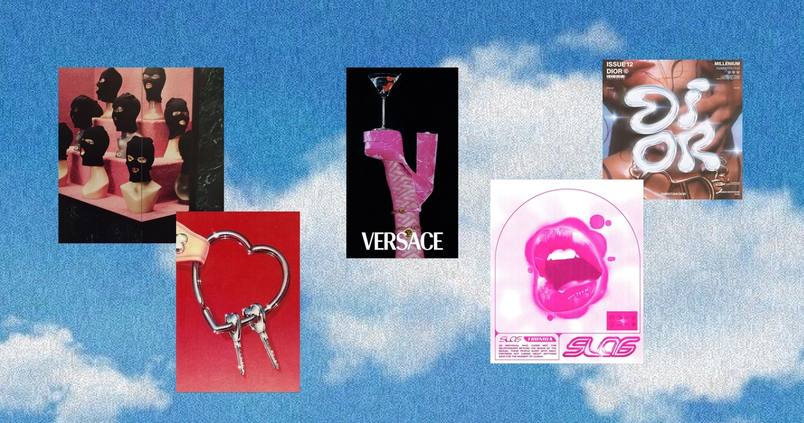
I sat down at my desk, pulled up the mood board section of my playground file, and started gathering inspiration. I pulled in disco ball glitter, ’80s Versace vibes, a bit of baddie energy, and the color black (which is basically my entire wardrobe). And with Valentine’s Day around the corner, hearts were a must.
Then it was on to the nail station in Figma. I picked colors and played with different shapes, making each nail unique. It felt like a full-circle moment: Even though I’d had to abandon my vision of totally custom shapes at the start, going with a more systematic approach gave me exactly the creative freedom I wanted in this part of the process.
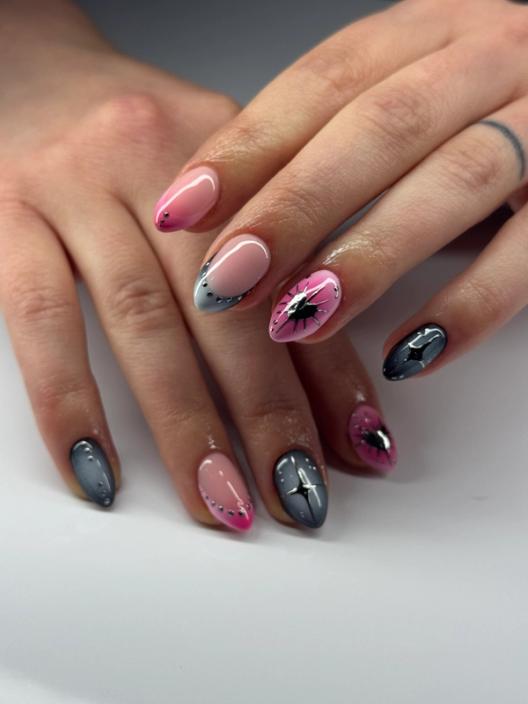
When I finished my design, I took it with me to my nail tech—not to have it copied, but to spark her own creativity.

An invitation to play
Especially in creative industries, where outputs can start to feel expected and uniform, honing your craft depends on embracing individuality and personal expression. For me, creating the Mani Mansion was a way to break free from rigid standards, to remind myself that not everything needs to be optimized for efficiency.
But the best part was still to come. Shortly after we published the file, a teacher reached out to share a video of her first-grade students playing with the Mani Mansion. They were designing their own nails, exploring without rules. It wasn’t the feedback or recognition I expected, but it was better than what I’d imagined.
When our lives are so enmeshed in technology, we can use our everyday routines to spark ideas for the digital world—and vice versa. All it takes is a bit of play. Ready to try it for yourself? Step into the Mani Mansion.