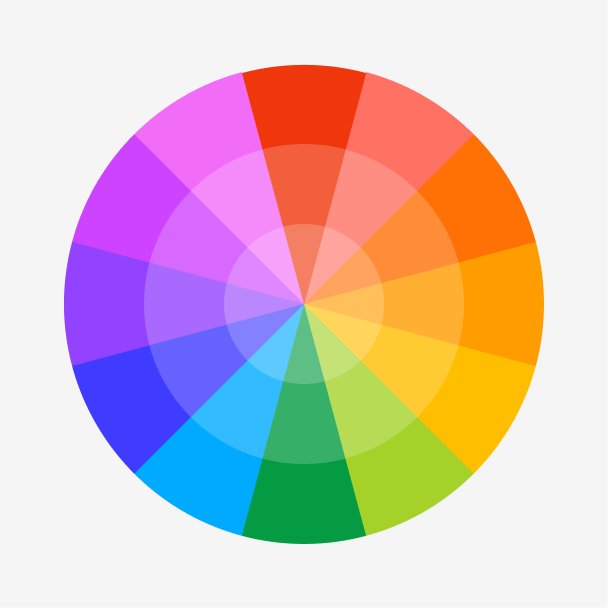
Peach is a gentle and delicate shade that combines orange and yellow tones with a hint of rose. This soft, warm color lives in the red-yellow section of the color wheel, and exudes freshness and femininity. It offers a soothing and comforting presence, ideal for designs aiming to be approachable and calming.

Color variations
Shades
Tints
Tones
Hues
Color Harmonies
Complementary
Split
Monochromatic
Analogous
Triadic
Square
Custom Palettes
Breakfast Tea
Island Skies
Fresh Peach
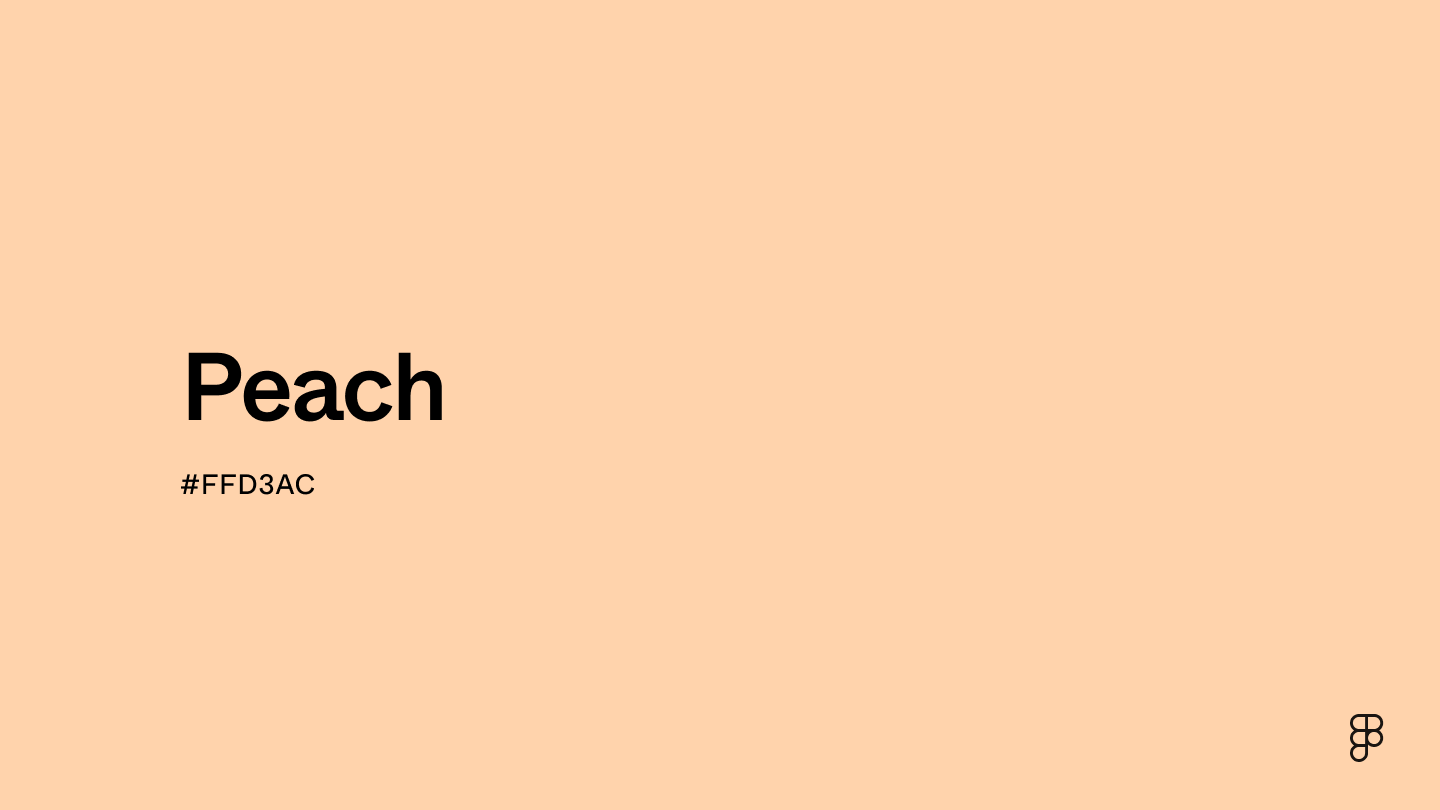
Peach is defined by the following color codes and values to ensure consistency across various digital platforms and devices.
- HEX code: #FFD3AC
- RGB value: 100% red, 82.7% green and 67.5% blue
Accessibility considerations play a crucial role in UX and UI design color choices. Figma offers plugins in the Community to make sure your designs meet Web Content Accessibility Guidelines.
To effectively use peach in UI design, consider these approaches:
- Softly highlight key elements. Use peach to highlight important features like CTA buttons. It is a nuanced alternative to brighter colors—a gentle nudge rather than a shout.
- Warm up the design. Add peach tones to make digital spaces feel warmer and more welcoming.
- Pair with complementary colors. Peach works well with soft blues or greens, creating a visually appealing and balanced color scheme. This combination is easy on the eyes and can improve the user experience.
- Consider for backgrounds. A peach-colored background can provide a warm, light canvas that makes text and other elements easy to read. It's excellent for creating a soft, positive ambiance without sacrificing functionality.
Keep in mind that color and its meaning can change from culture to culture—and at any given time. If you are designing for a global audience, research color considerations for your specific regions.
For variations within the same warm and inviting spectrum as peach, consider:
- Apricot (#FBCEB1) closely resembles peach but with a slightly more orange tone, evoking a sense of warmth and comfort similar to the soft embrace of a ripe apricot.
- Salmon (#FF8C69) introduces a bit more pink, blending the softness of peach with a touch of vibrant warmth, making it lively yet comforting.
- Coral (#FF8559) is brighter and more pronounced, capturing the energetic spirit of tropical waters while maintaining the gentle, inviting quality of peach.
- Melon (#FDBCB4) offers a softer, slightly pinker alternative, echoing peach's delicacy and subtle sweetness in a serene, comforting hue.
To complement peach's delicate tones, consider pairing it with:
- Mint green (#98FF98) for a fresh, vibrant contrast, highlighting peach's softness with a hint of cool, spring-like freshness.
- Lavender (#E6E6FA) introduces a gentle, whimsical touch, creating a soft, romantic palette that emphasizes the feminine grace of peach.
- Teal (#069494) offers a deep, rich contrast, grounding the lightness of peach with its earthy, oceanic depth for a balanced, sophisticated look.
- Dusty blue (#5D8AA8) provides a calm, serene backdrop, allowing the warm hues of peach to glow softly against a peaceful sky.
- Warm beige (#F5F5DC) harmonizes beautifully with peach, creating a neutral, cohesive palette that's inviting and understatedly elegant.
Other colors worth considering include soft gray for a modern, minimalist aesthetic, deep burgundy for a bold, dramatic contrast, and pale gold for a touch of subtle luxury.
While peach is generally versatile, it may clash with:
- Lime green (#89F336) can be too striking, potentially overwhelming peach's gentle warmth with its vivid intensity.
- Neon blue (#0000FF), with its high saturation, might overpower the soft, nuanced tones of peach, leading to a discordant visual experience.
- Electric purple (#6A0DAD) offers a bold, vibrant contrast that could overshadow the subtlety of peach, disturbing the palette's harmony.
- Bright yellow (#FFFF00), though sunny and cheerful, can compete with peach for attention, potentially creating a jarring, overly bright combination.
- Dark chocolate brown (#654321), while rich and deep, may dampen the light, airy quality of peach, leading to a heavy, less cohesive palette.
In many cultures, peach represents youth and health, suggesting renewal and vitality like the fresh start of spring. Its warmth and softness convey comfort and care. It can also symbolize sincerity and affection, In color psychology, the gentle energy of peach encourages openness and community spirit. It's seen as nurturing, helping ease stress or change with compassion and empathy.
In UI/UX design, peach can work to create a friendly and approachable interface. Its softness and warmth invite user engagement—ideal for platforms that foster positive interactions and community. This color's connection to youth, health, and renewal can help craft fresh and innovative experiences.
In ancient China, the color and the fruit symbolized immortality due to the peach tree's association with longevity. As these beliefs spread along the Silk Road, peach influenced art and symbolism worldwide. During the Renaissance, artists like Sandro Botticelli in "The Birth of Venus” leveraged peach hues to bring a lifelike warmth and softness into their works.
The 19th century saw peach popularized in Victorian and Edwardian interiors and fashion as a symbol of modesty and innocence. With synthetic dyes in the 20th century, peach became a staple in consumer goods, graphic design, and branding for its warmth and inviting nature.
A noteworthy moment in peach's modern history was Apple's introduction of a peach-colored iMac in the late 1990s.
Contrast 1.38
- Large Text
#FFD3AC
- Normal Text
How you design, align, and build matters. Do it together with Figma.
| Category | ||
|---|---|---|
Fail | Fail | |
Fail | Fail | |
Fail | Fail |
Contrast 15.17
- Large Text
#FFD3AC
- Normal Text
How you design, align, and build matters. Do it together with Figma.
| Category | ||
|---|---|---|
Pass | Pass | |
Pass | Pass | |
Pass | Pass |
Color simulations
Protanopia
Deuteranopia
Tritanopia
Achromatopsia
The hexadecimal color #FFD3AC, known as peach, has RGB values of R:255, G:211, B:172 and CMYK values of C:0, M:0.17, Y:0.33, K:0.
| VALUE | CSS | |
|---|---|---|
| HEX | FFD3AC | #FFD3AC |
| RGB DECIMAL | 255, 211, 172 | rgb(255,211,172) |
| RGB PERCENTAGE | 100, 0, 100 | rgb(100%,82.7%,67.5%) |
| CMYK | 0, 17, 33, 0 | |
| HSL | 28.2°, 100, 83.7 | hsl(28.2,100%,83.7%) |
| HSV (OR HSB) | 28.2°, 32.5, 100 | |
| WEB SAFE | FFCC99 | #FFCC99 |
| CIE-LAB | 87.402, 10.053, 25.111 | |
| XYZ | 71.98, 70.829, 48.907 | |
| xyY | 0.375, 0.369, 70.829 | |
| CIE-LCH | 87.402, 27.049, 68.182 | |
| CIE-LUV | 87.402, 30.562, 33.221 | |
| HUNTER-LAB | 84.16, 5.387, 24.457 | |
| BINARY | 11111111, 11010011, 10101100 | |
| iOS - SwiftUI | Color(red: 255/255, green: 211/255, blue: 172/255) | |
| iOS - UIKit | UIColor(red: 255/255.0, green: 211/255.0, blue: 172/255.0, alpha: 1.0) | |
| Android - Compose | Color(0xFFFFD3AC) |