
Craft and beauty: The ROI of marrying form and function



Leaders from Stripe, Linear, and Figma explore how craft and beauty are core to product and business growth.
Share Craft and beauty: The ROI of marrying form and function






Hero illustration by Petra Péterffy
It’s easy to dismiss craft and beauty as mere aesthetics, says Katie Dill, Head of Design at Stripe. But that changes in a crowded market. “The quality and details become the differentiation,” she says. “We’re eager to prioritize craft and beauty not simply because we think the world is better when it’s more beautiful, but also because quality is important for growth.” In fact, it was this focus on quality and details in the Stripe Optimized Checkout Suite that helped businesses using it see 11.9% more revenue on average.
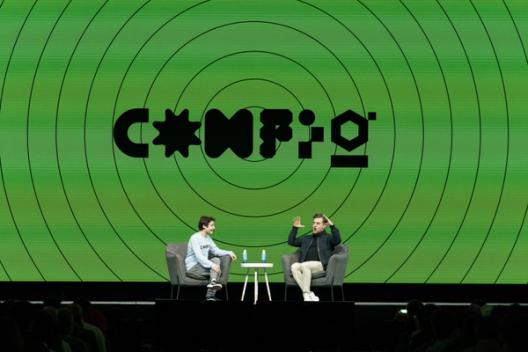
Earlier this month, at Stripe’s annual conference, Katie sat down with Karri Saarinen, co-founder and CEO of Linear, and Yuhki Yamashita, Chief Product Officer at Figma, to explore why craft and beauty are essential to user experience, business growth, and getting ahead of the competition. You can watch the panel discussion here, or read on to see highlights from their conversation.

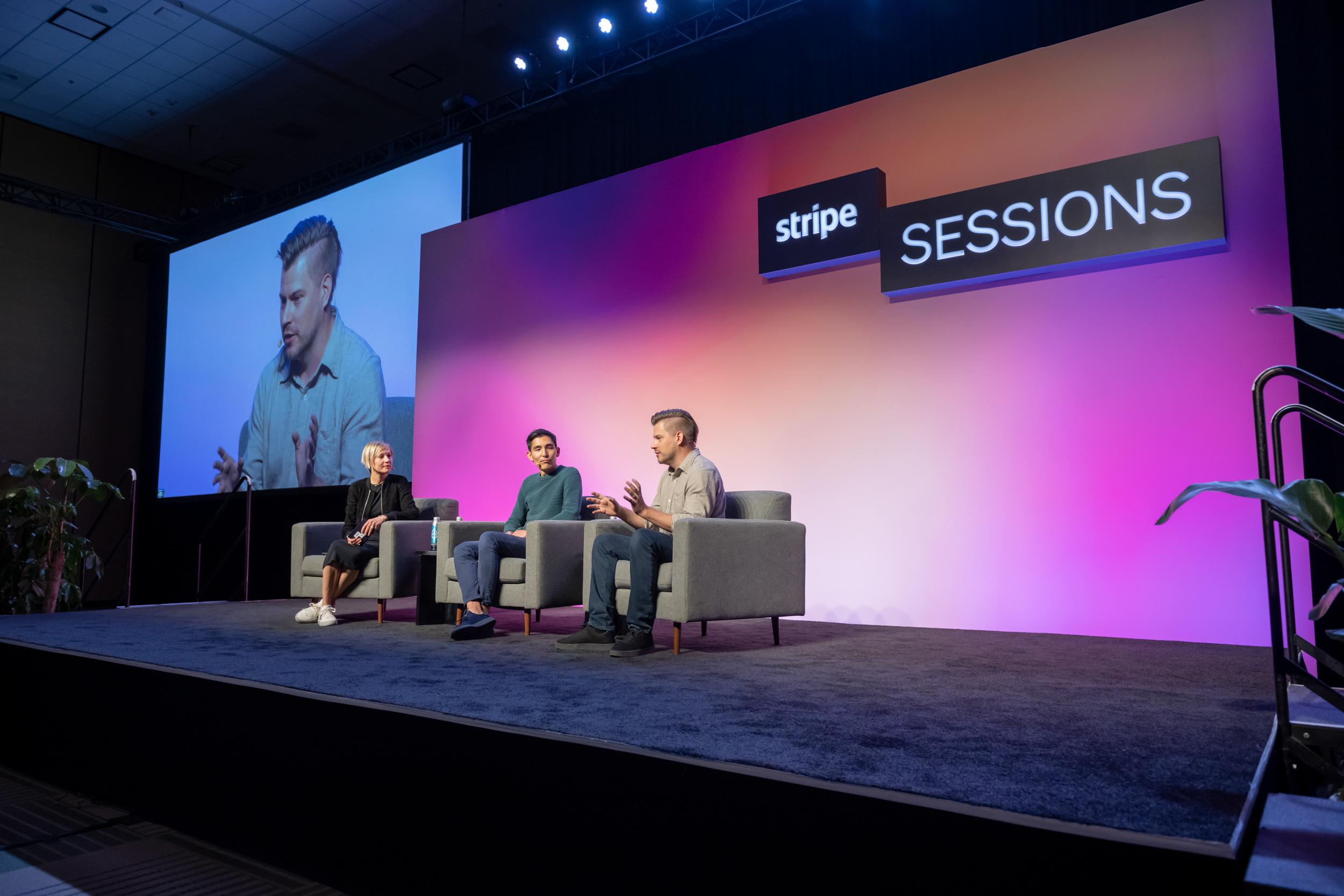
Watch the full discussion here.
On craft’s connection to product conversion
I know some of us may think that beauty is just cosmetic, a superficial layer on top. Not in our experience. As Steve Jobs famously said, “Design is not just what it looks and feels like; design is how it works.” We’ve seen aesthetics contribute greatly to usability and engagement. Part of it is because things that are beautiful are perceived to work better. It’s called the aesthetic usability effect. But even beyond that, when something is more attractive, compelling, and clear, people tend to gravitate towards it, understand it better, and have greater success with it.
When something is more attractive, compelling, and clear, people tend to gravitate towards it.
We saw this firsthand with our email redesign. Our original email lacked hierarchy. It was leaving our users a little bit confused about what the right next step was. So we improved the copy, improved the visuals, and improved how it felt along the journey.

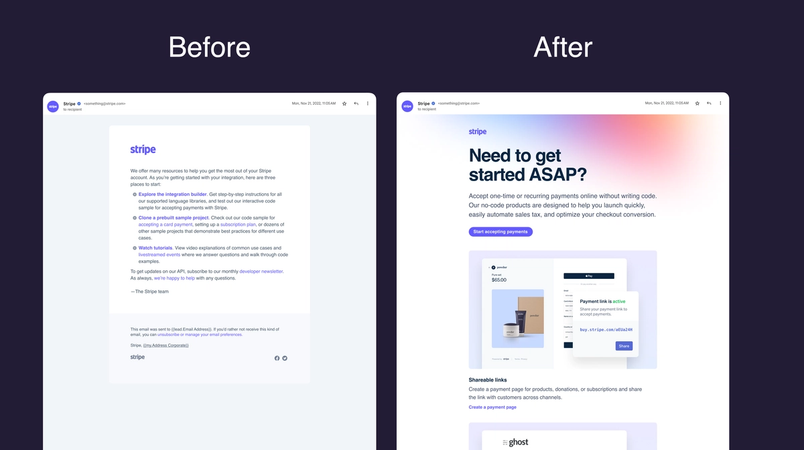
And lo and behold, this attention to craft and beauty increased product conversion from that email series by 20%. The improved language and aesthetics increased the usability of the email. Every touchpoint requires that same commitment to craft and beauty because it’ll either add or subtract value in the whole journey.
On craft as input and beauty as output
I like to separate the concepts of craft and beauty. I think the craft is more the mindset and the quality or beauty is the output. The mindset is how you approach what you’re doing. Do you care about the quality of the output or not? Or are you just completing a job quickly because that’s what is required of you?
Beauty is one of the things you experience, but it’s also quality. For example, in a house, you’d ask: Does the window open well? Is it quiet? I like to talk more about quality than beauty on its own.
On raising the table stakes with craft
We think about it as a hierarchy of needs. The origin story of Figma was rooted in convincing people that you can have a native-like experience on the web. Performance and frame rate are things that we care so much about. Dylan, our CEO, is one of the few CEOs who would come in and say, “I think the frame rate dropped on that interaction—it’s not 60 frames per second anymore.” Those things are really important because without them, you don’t get to experience all the other wonderful things that build on top of that foundation.
Beyond that, craft is a culture thing. It’s about deciding to care. A user might really see how thoughtful the experience is if they choose to look closely, but there’s a version where it’s so intuitive that you feel like everything just works. Those are things that you only go for if you actually care about craft as a culture. And if you need an OKR to convince someone to care about quality, you probably have the wrong team. You want to find people who just care inherently.
On craft as an end-to-end commitment
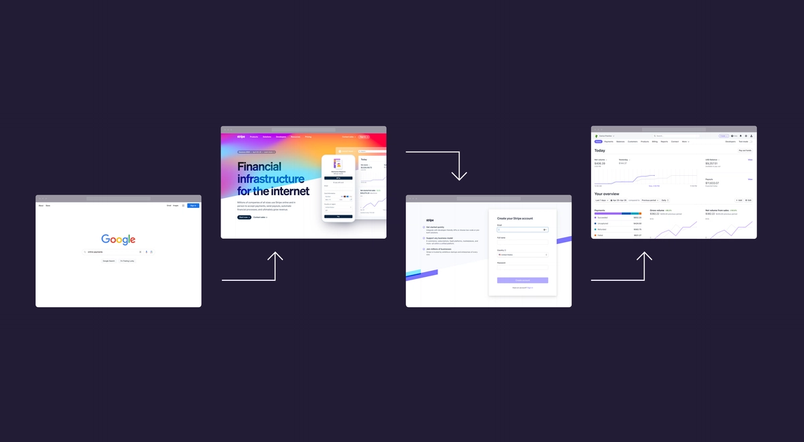
The multidimensional character of building for craft and beauty means that it’s not just one team’s job to get it right; the whole company contributes. It’s a cultural thing. One way this plays out at Stripe can be seen in our method of friction logging. We have multidisciplinary teams including engineers, product managers, and designers do what we call “walking the store.” They use the product just like a user would, end to end across various surfaces to really experience the quality firsthand. In doing so, it becomes loud and clear how much quality matters in how it works—not just how it looks on the surface.

On the challenge of quantifying quality
If you really unpack why people ask about measuring quality, there are a few questions to consider. First, there’s asking: How do you measure quality in the first place? And then given that you’ve measured it, how do you show the impact of it? These are two distinct things.
How you measure quality or a great experience is an existential problem in itself. For example, when I worked at Uber, we were always debating what the perfect pickup experience looked like. We wondered about different approaches: a pickup where there was no contact between the driver and rider, or one where the rider didn’t have to wait much. Over time, we realized that we actually have to have a separate roadmap to better measure the pickup experience. Even though it’s nice to say that a “magic” experience is one where the rider doesn’t have to contact the driver at all, when we asked users, we learned that phone calls or texts can help improve the pickup experience. Those are things that change your perspective on what a “good” experience is, and is something that you constantly have to try to measure.
But the other side of it is, given that you’ve measured it, how do you show the impact? You can measure impact to revenue or engagement, but sometimes it’s just a matter of whether a user loves it. That’s the thing that’s kind of fuzzy. Despite it being fuzzy, that doesn’t mean that you shouldn’t goal on it. We have to accept that this kind of measurement can be more approximate.
On the importance of the rave review
I don’t think there’s a single quality metric—quality is a lot of different things, and it also varies based on the product or company. In the end, it’s more a feeling. First, you need to believe that quality does matter and is beneficial to the company and business. Then you need to encourage teams to prioritize quality. A lot of companies talk about deadlines. They talk about all kinds of other incentives, but never: “Is the experience good?” or “Are we meeting the quality bar?”
From there, you try to validate that you’re meeting the quality bar. Are users actually loving the product? For us, it’s always been more anecdotal. Linear is a product that users use every day and we hear a lot of feedback from them. People send emails to support and say, “Hey, I really love the product or this new feature you added.” People tweet about it. CEOs and founders say that they buy it because the product experience is so good. You have to listen to the signals and talk to people to validate if the quality is there. If people are not raving about your product, then you probably don’t have a good product. Great products create fans and champions, and those people will talk about it. Product quality is the ultimate moat for a business.
Watch the full talk here.