
Can we reach beyond the echo chamber?


Two creatives behind the browser that’s breaking the internet discuss what Zadie Smith, A24, and sunspots have to do with building a product.
Share Can we reach beyond the echo chamber?

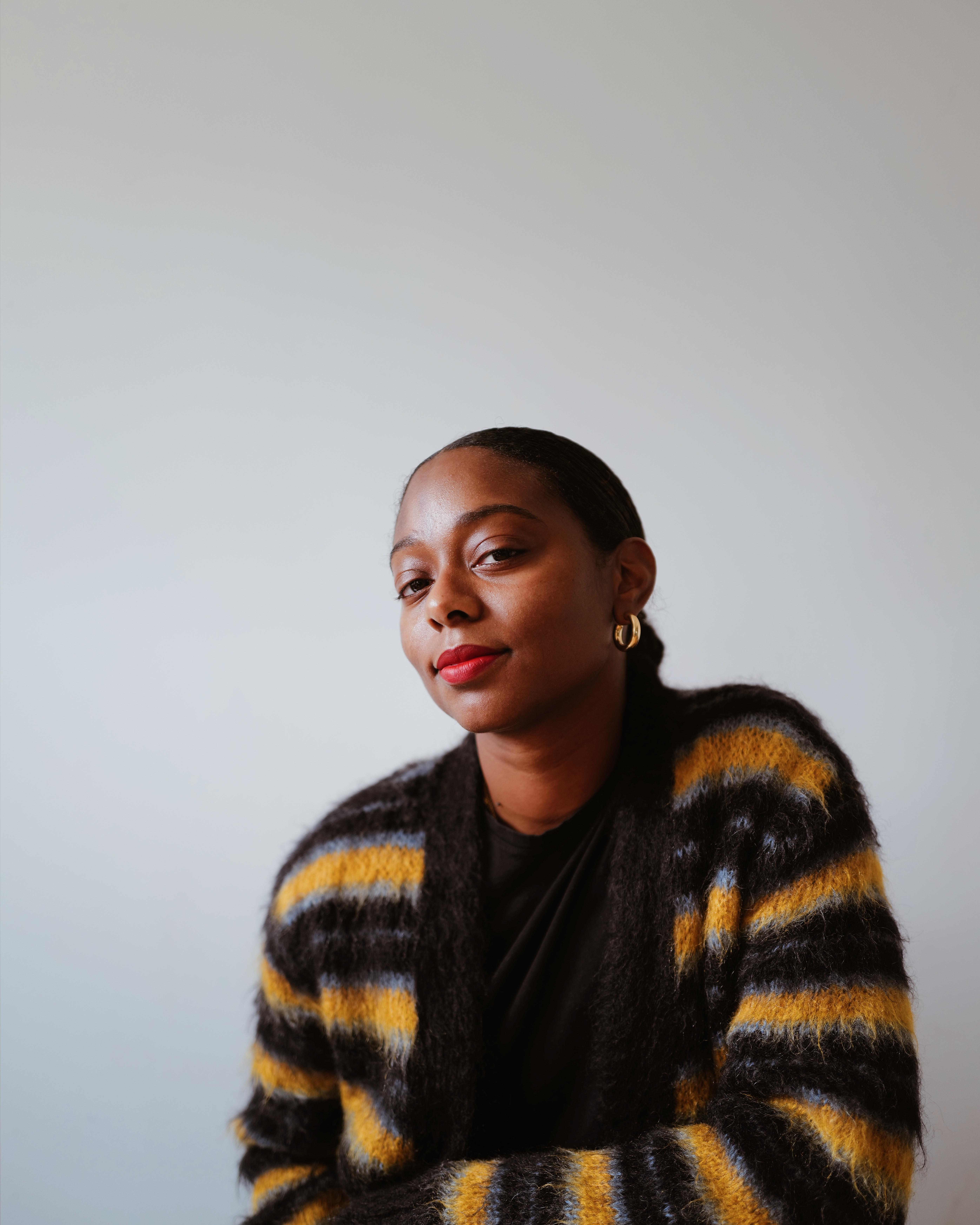


Hero illustration by Kyle Platts
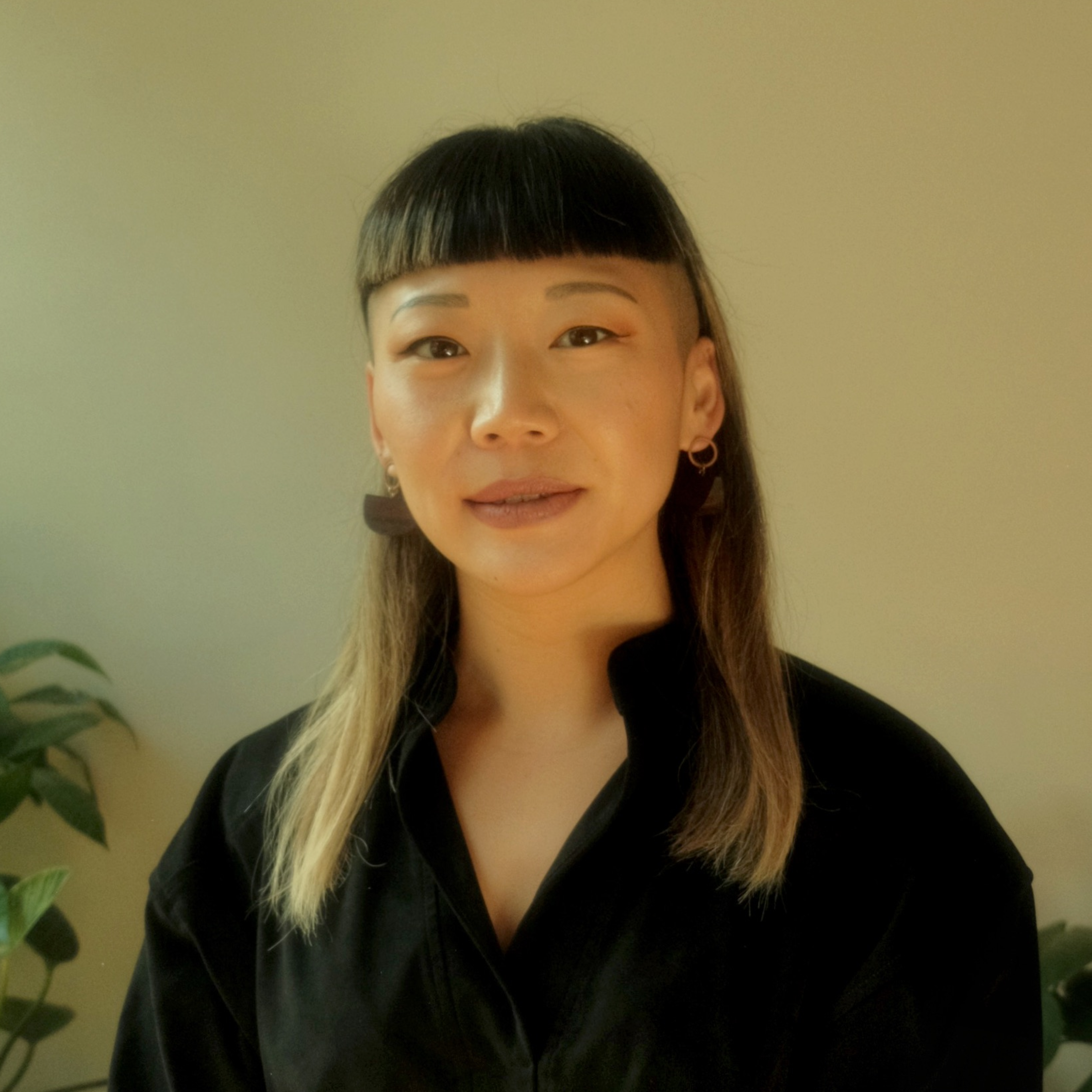
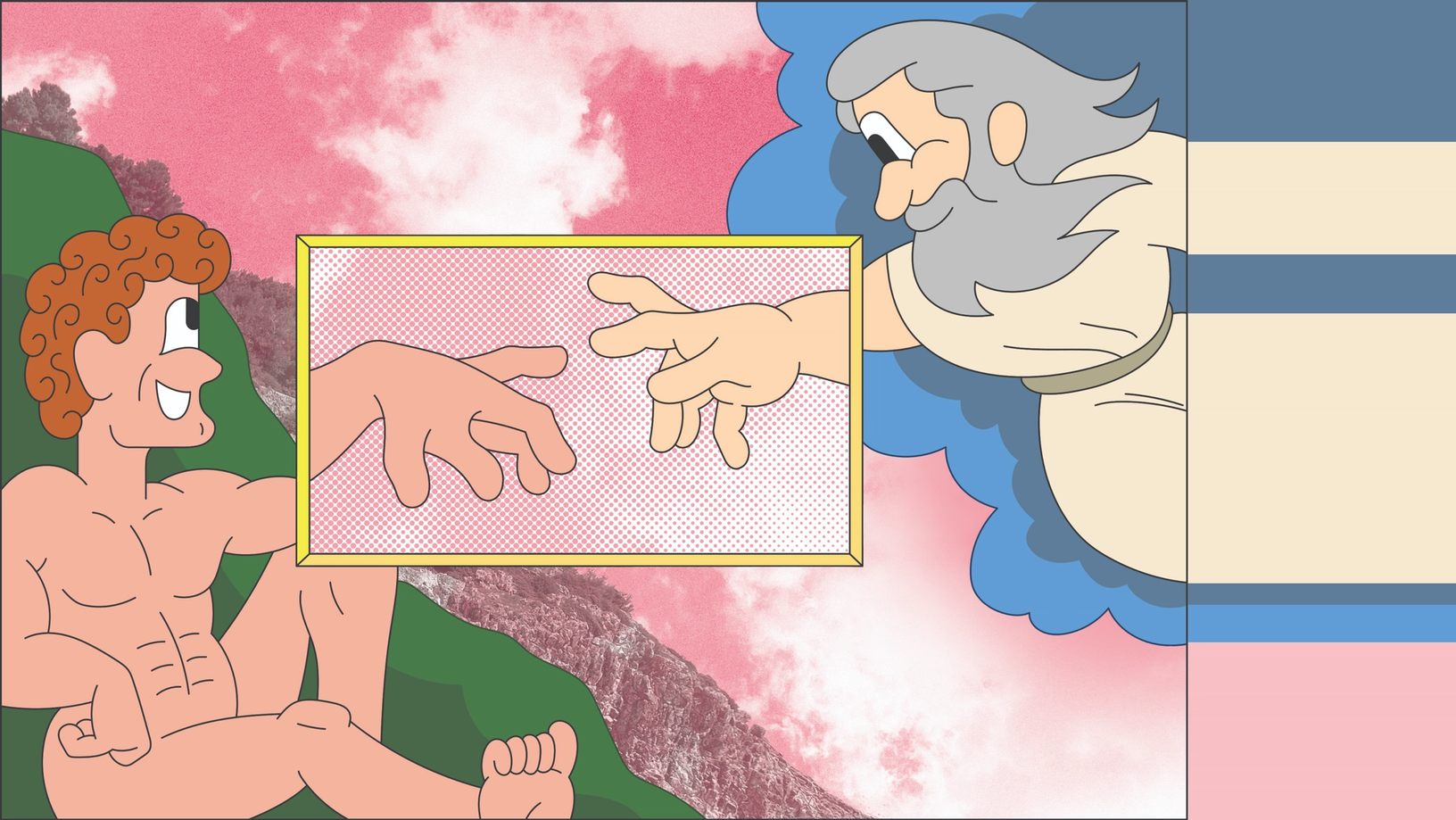
To some, reinventing the browser may feel like reinventing the wheel. But to Product Designer and Brand Lead Karla Mickens Cole and Head of Storytelling Nashilu “Nash” Mouen at The Browser Company, it’s a welcome challenge. They’re working on the Arc browser, a more focused, personalized way to surf the net that’s now enhanced by Max, a suite of AI features.
As teams work through how to thoughtfully incorporate AI into product and individual workflows, The Browser Company offers a model that draws inspiration from diverse and unexpected places. Read on to learn how they’re inviting those influences into a product experience and why they think AI features should feel like more than gratuitous sparkles.
I remember when you first joined, Nash, and our CEO Josh Miller said, “There’s a person I really want you to meet.”
It was a one-question interview. You asked, “Where do you get inspiration from?” And I said, “For me, it’s books. Zadie Smith, Toni Morrison.” And you were like, “Okay, I don’t have that many more questions.” That’s a principle you bring to your work, too: How do we draw from outside of our industry? How can things be in tech, without being of tech?
How do we draw from outside of our industry? How can things be in tech, without being of tech?
My own curiosity about building a browser was one of the reasons why I came to The Browser Company. But also the team’s curiosity: Josh pulls inspiration from everywhere, which is very empowering. It’s such a great time to be designing in this space because the experience of browsing the web is kind of flawed right now with constantly having to accept cookies. There’s a lot of room for improvement and play.
To your point, I think that’s what drew a lot of us here—the browser is such a big canvas, and so there’s audacity in even trying to build one. What can you do with this thing we use everyday? A lot of what’s special about the product comes from the team bringing themselves to it. In her essay “Speaking in Tongues,” Zadie Smith asks what it means to speak using “we” instead of “I” because of the multiplicity of experiences. I think of our brand that way: It’s many voices building a product. For example, the Arc “unboxing” experience that you and [Design Engineer Omar Elfanek] put together was inspired by movie title sequences, that feeling at the beginning of A24 films, and sunspots. As you, Omar, and Josh knew, Arc has to feel different to give people a moment to recognize that it is different. You don’t get that if you don’t start from outside.
Our team is great at asking, “Why not?” Why not put the tabs on the side? You can’t build anew if you’re just looking at what exists.

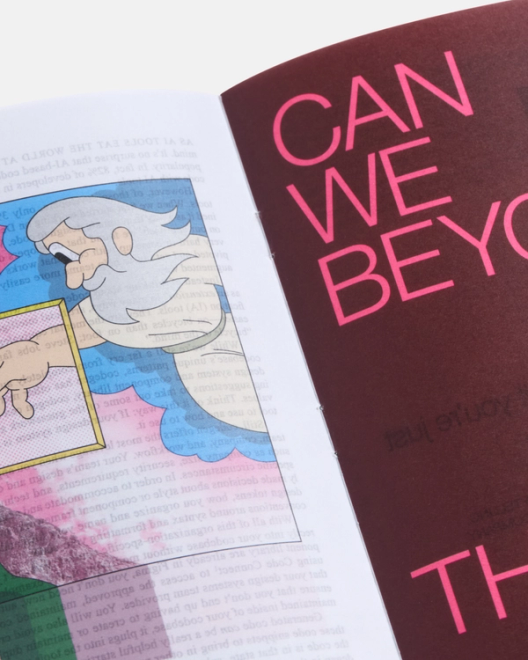


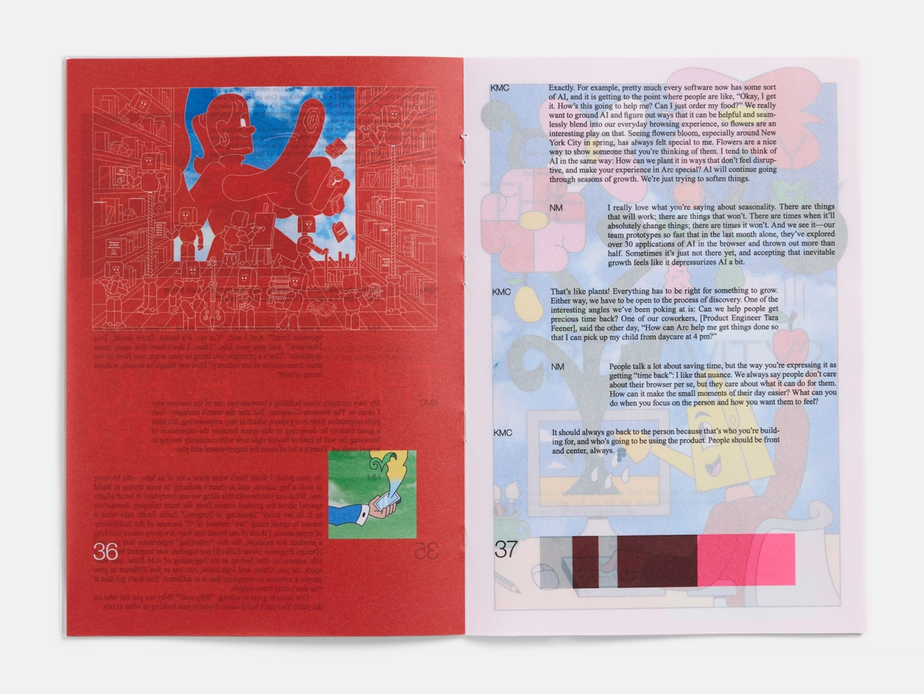
You can’t build anew if you’re just looking at what exists.
Exactly. For example, pretty much every software now has some sort of AI, and it is getting to the point where people are like, “Okay, I get it. How’s this going to help me? Can I just order my food?” We really want to ground AI and figure out ways that it can be helpful and seamlessly blend into our everyday browsing experience, so flowers are an interesting play on that. Seeing flowers bloom, especially around New York City in spring, has always felt special to me. Flowers are a nice way to show someone that you’re thinking of them. I tend to think of AI in the same way: How can we plant it in ways that don’t feel disruptive, and make your experience in Arc special? AI will continue going through seasons of growth. We’re just trying to soften things a bit.
I really love what you’re saying about seasonality. There are things that will work; there are things that won’t. There are times when it’ll absolutely change things; there are times it won’t. And we see it—our team prototypes so fast that in the last month alone, they’ve explored over 30 applications of AI in the browser and thrown out more than half. Sometimes it’s just not there yet, and accepting that inevitable growth feels like it depressurizes AI a bit.
That’s like plants! Everything has to be right for something to grow. Either way, we have to be open to the process of discovery. One of the interesting angles we’ve been poking at is: Can we help people get precious time back? One of our coworkers, [Product Engineer Tara Feener], said the other day, “How can Arc help me get things done so that I can pick up my child from daycare at 4 pm?”


People talk a lot about saving time, but the way you’re expressing it as getting “time back”: I like that nuance. We always say people don’t care about their browser per se, but they care about what it can do for them. How can it make the small moments of their day easier? What can you do when you focus on the person and how you want them to feel?
It should always go back to the person because that’s who you’re building for, and who’s going to be using the product. People should be front and center, always.


Explore the rest of The Prompt, a magazine available online and in the Figma Store as a limited print edition.