

The art of art direction


Though they’re instrumental in shaping the look of everything a brand puts out, art directors rarely get the credit they deserve. Here, we hand the mics over to Maria Chimishkyan and Jefferson Cheng on Figma’s Brand Studio team and eavesdrop as they discuss the ins and outs of their work.
Share The art of art direction


Art direction is all about balance. A good art director can hold often-opposing forces in a state of delicate equilibrium: a brand’s personality on the one hand and their own personal taste on the other, for instance, or a collaborator’s unique style and the constraints of a brief. The best art directors are able to turn that tension into creative fireworks.
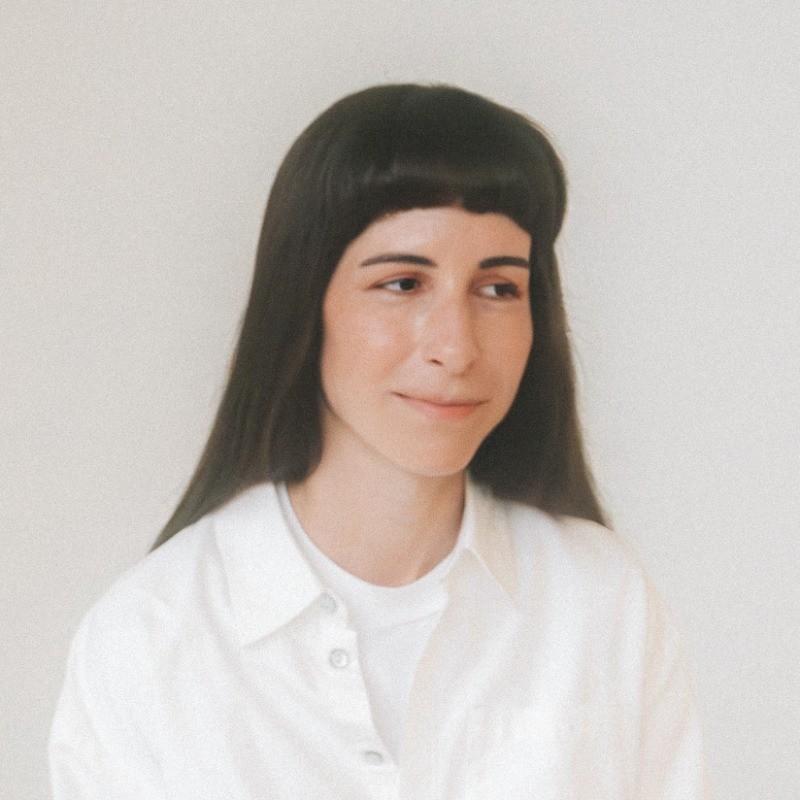
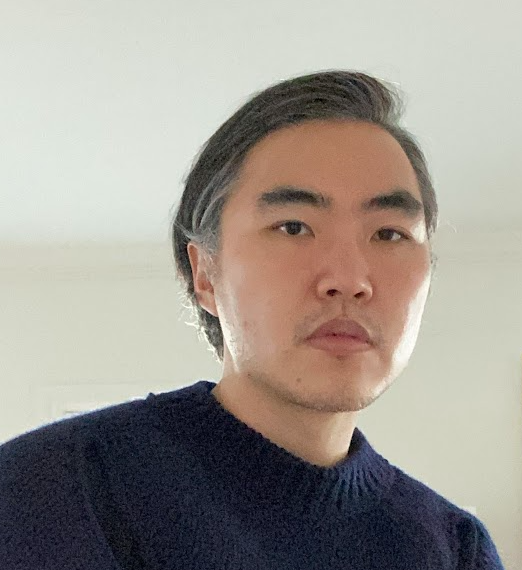
Maria Chimishkyan and Jefferson Cheng are designers and art directors on Figma’s Brand Studio team, as well as successful illustrators and animators in their own right. They’ve helped shape many aspects of the brand over the years, from Config’s visual identity to Figma’s overarching brand refresh, and they also art direct the myriad illustrations that appear on Figma’s blog, Shortcut.
We wanted to pull back the curtain and shine a light on the masterful (and slightly magical) way these visuals come to life behind the scenes. And since, as Maria puts it, art direction is a “communication-based” practice, we thought it would be fitting to simply ask Maria and Jefferson to have a conversation about their work—and for us to listen in.
On craft, in illustration and art direction
In general, craft starts from repetition, from doing something again and again, and really drilling into it. But then at a certain point, you get into a groove, things start to fade away, and you’re really gliding—almost like a ballet dancer practicing a routine, then going onstage and letting their body take over. I feel this way most when doing 3D illustration work. The end result, after a lot of practice, is a total freedom, freedom to use these tools and materials in particularly ingenious ways.
When it comes to art direction specifically, I think it’s about training your eye—the editing and filtering of what you see out in the world and what resonates with you.
There are so many artifacts in the world, so tuning your senses to the things that resonate with you is a craft in itself. It helps you with the decision-making in art direction.
There’s also definitely craft in sparking the right beginning and then seeing it through. Art direction is really collaborative and highly language- and communication-based.
Finding the right illustrator for the right project
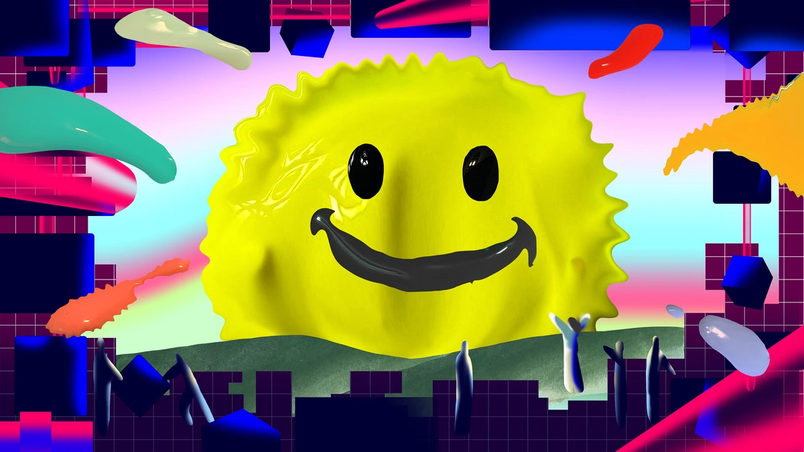
It’s like being a casting director for a movie: Which actor would I like to cast for this role? I strive to find illustrators who have a good sense of what their style is; they also need to be able to convey the message in an unexpected way. For instance, we hired artist Jon Han to create an illustration for our article, “The Atlassian method: The power of developer joy.” Jon mixes a wide array of techniques, and the journey from pencil sketch to final piece is very ambiguous. You really don’t know what you’re going to get in the end, but the outcome is always a rich, lush, captivating illustration. As long as the foundational idea is nailed down in the beginning, I have total confidence in him executing.

After going through that process of considering and selecting, we place a lot of trust in our collaborators’ work. Of course, there’s feedback and editing, but sometimes the more you have to meddle in someone’s work, the less interesting it becomes. The best work is really made by someone who’s invested personally in what they’re creating.
Sometimes what excites me is when I find an illustrator who has a particular way of working, but hasn’t done the thing we’re asking for. It’s interesting to see if they can make a leap or work under different constraints, leading to something that’s unexpected for them and for us. There’s an element of drama to it.
That’s a really interesting tension. With all the illustrators we’ve been commissioning, there’s this play between their work and how they’re responding to the article, especially with the more technical engineering pieces, which can be dense and complex. We don’t necessarily hire a very technical illustrator; instead we ask how a narrative-driven illustrator might approach it.
Part of the fun of topics like that are the surprising twists and turns they take. Generally, it starts with distilling a complex concept into a really succinct metaphor. From there, it’s an interesting exercise in deciding whether to take it in a more literal or abstract direction. Often abstract is nice because it leaves things more open. We pose this initial question, but then we let the work bloom and surprise us.
One example I really liked was an illustration that Hoi Chan did for an article about how engineers give feedback at Figma (“How we engineer feedback at Figma with eng crits”). The author uses gardening as a metaphor and the way that Hoi renders these flowers and botanical life is so dreamy and beautiful—it transcends the metaphor itself.

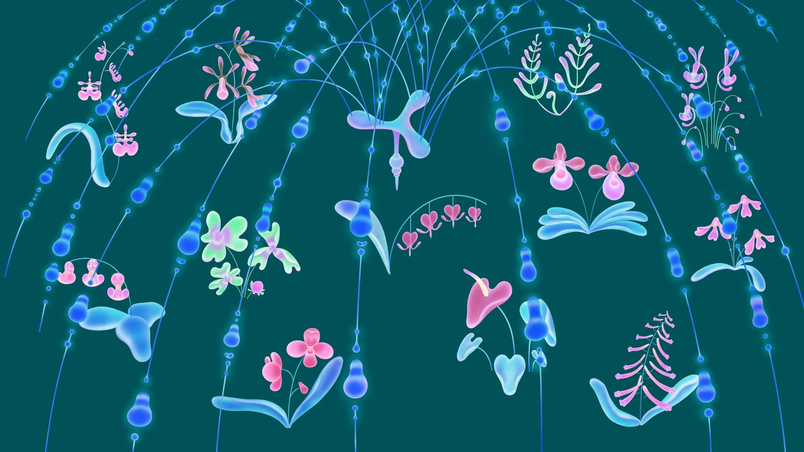
Those illustrations really put me in a reverie when I look at them.
Another example of this drama or tension was in a piece we did that recapped favorite talks from Config in 2024. We commissioned the illustrator Haik Avanian to create these sort of claymation-esque models that were symbolic of the talks. And we got back, among many awesome illustrations, simply the best heirloom tomato I’ve ever seen: It was a hyperbolic heirloom tomato—impossible to forget, impossible to ignore.
On being illustrators, as well as art directors
From having been on the other side, working as an illustrator, you have an understanding of the expectations—you’re aware that creativity is mysterious and empathetic about how long it takes to create something good.
There’s greater empathy and trust, and you have an ability to give realistic feedback. But I think with time and experience, I’ve also evolved as an art director. I’ve come to trust collaborators more, to let them guide me in taking the project to an interesting place.
A lot of art direction is about getting someone excited and invested in a certain piece, and maybe at its best, even inviting them to evolve their work further.
I used to have this tendency at the beginning to visualize how the end result would look. I’ve let that go and now trust the illustrator to take me along for the ride.
Matt is a freelance writer and editor based in London, who was previously the editor-in-chief of creative media company It's Nice That. Before that, he worked at Monocle magazine, where he covered a range of topics, from business and entrepreneurship to design and retail.