


Figma launches Brazilian Portuguese localization, expanding global reach



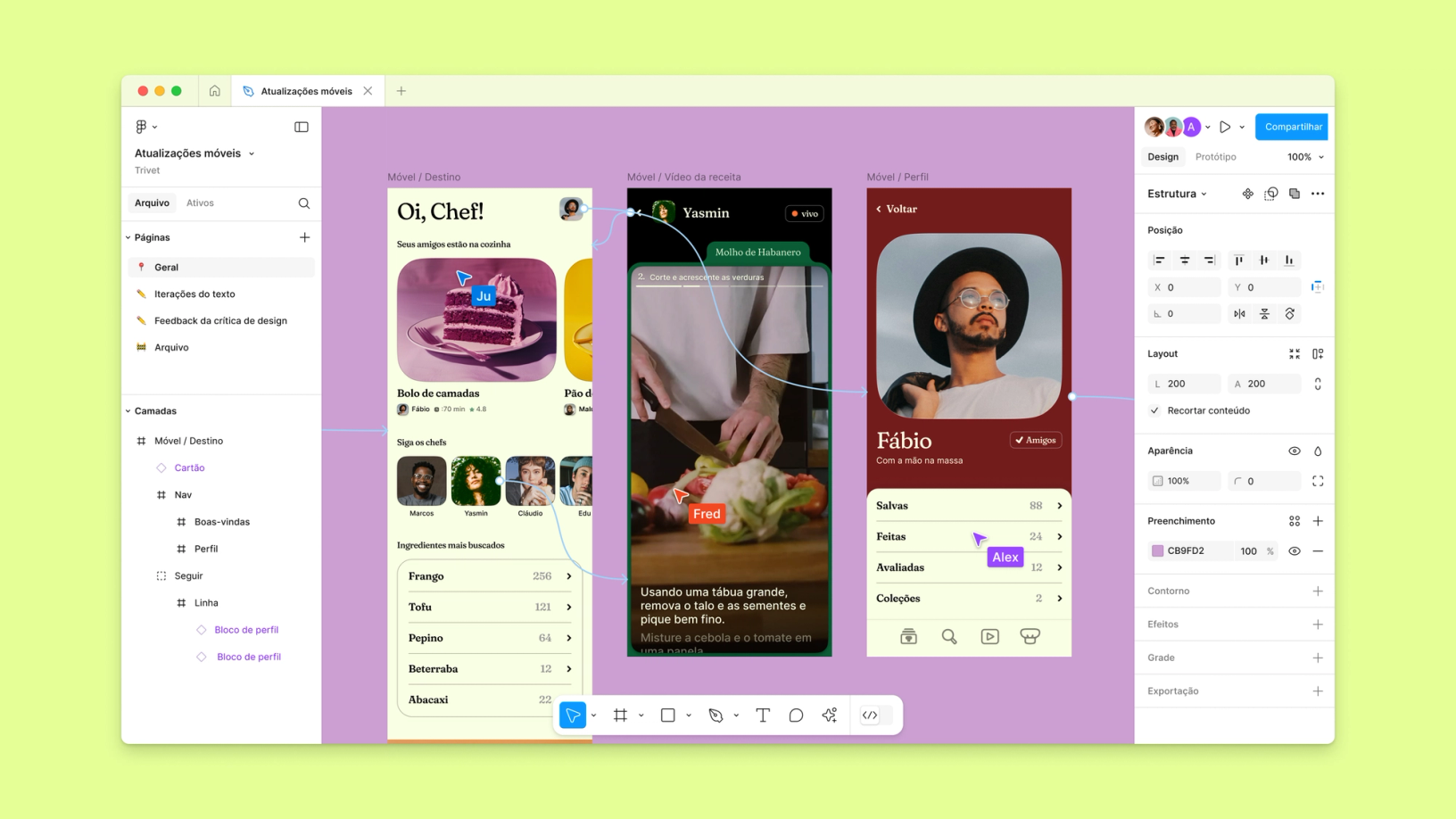
Brazilian Portuguese becomes the fourth language for localization, with Latin American Spanish expected later this year.
Share Figma launches Brazilian Portuguese localization, expanding global reach
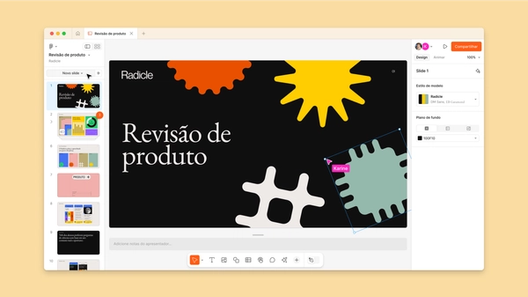
Figma is fully localizing its product for the Brazilian market. This marks its fourth product localization, following Japanese, Spanish, and Korean, as part of its goal of getting closer to users and its vision to make design accessible to all. The localization includes a complete product translation, culturally adapted user interfaces, and dedicated support for Portuguese language users.
“Our mission is to make design accessible to everyone, which means breaking down language barriers. Adding Brazilian Portuguese to our growing list of supported languages allows us to better serve our global community,” says Yuhki Yamashita, Chief Product Officer at Figma. “We're committed to meeting our users where they are, and providing them with tools that feel native and intuitive in their preferred language is a crucial part of that commitment.”
Figma already has a thriving base of customers and community members in Brazil, and is serving many of the country’s largest enterprises as well as its newest start-ups. Companies such as iFood, Itaú Unibanco, Mercado Libre, Nubank, Sicredi, TOTVS, and BTG Pactual are already using the platform for collaborative design and product development. Today, more than a third of Brazil’s Ibovespa-listed companies use Figma.
In the last year alone, there were nearly 5.5 million Figma files created in Brazil. On average, there are more than 85,000 Figma files edited every day across the country. And the São Paulo chapter of Friends of Figma—an inclusive creator community run by Figma users—boasts nearly 1,000 active members making it Brazil’s largest.
“Figma has transformed how our teams collaborate throughout the design process, from ideation, to prototyping, and code, it has become an essential tool in our regular daily workflows,” says Fabrico Dore, Experience and Design Director at Latin America’s largest private bank, Itaú Unibanco. “Having it fully localized in Portuguese takes out friction and democratizes access for even more collaborators helping us deliver exceptional experiences to our customers.”
Figma’s global footprint is expanding, with approximately 85% of its monthly active users in Q4 2024 located outside the United States, and over 50% of revenue coming from non-U.S. markets in 2024. Around two-thirds of monthly active users in Q4 2024 identified beyond traditional design roles, with about 30% self-identifying as developers.
The localization follows Figma’s ongoing expansion of products, designed to support the end-to-end product development process—from idea to reality.

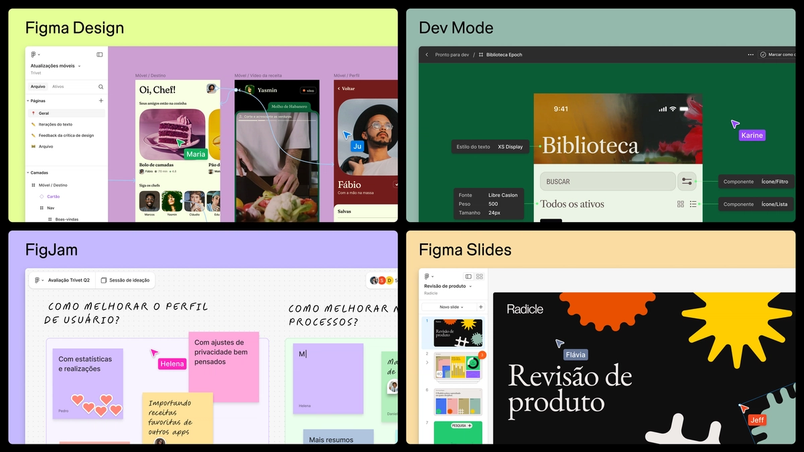
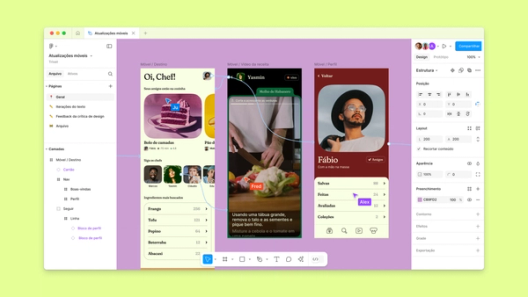
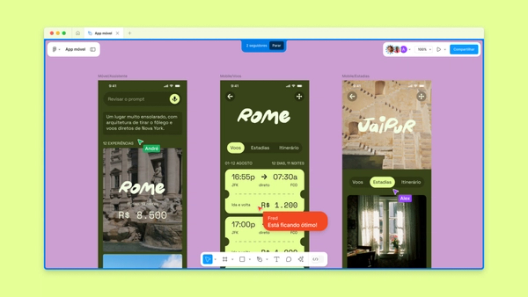
Existing products include: Figma Design, where teams explore, iterate, and prototype digital products.


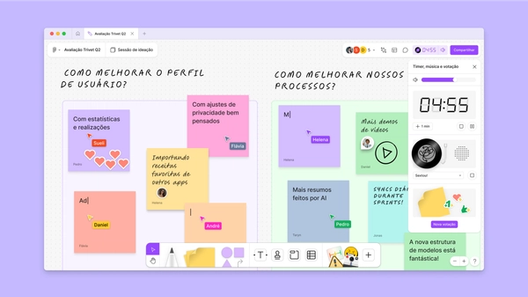
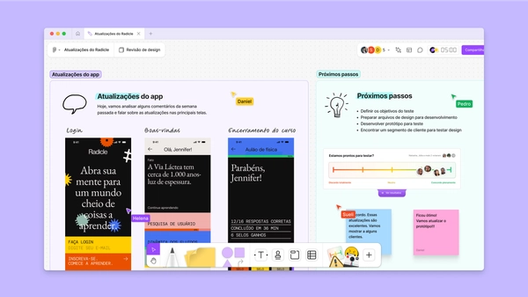
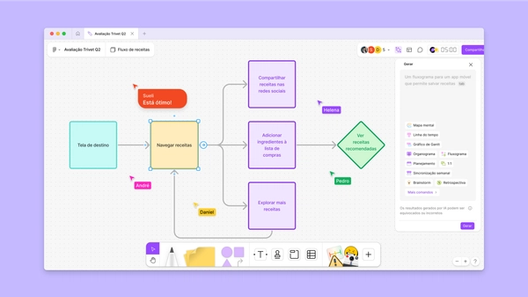
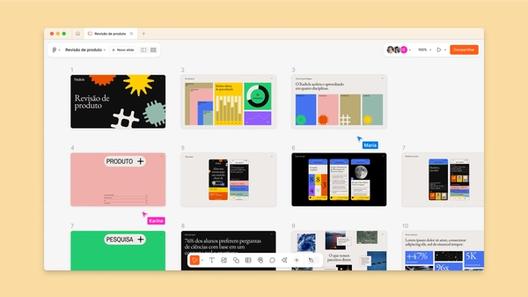
FigJam, an online whiteboard for teams to meet, brainstorm, and get work done.



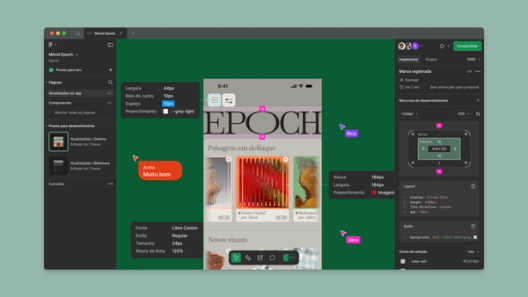
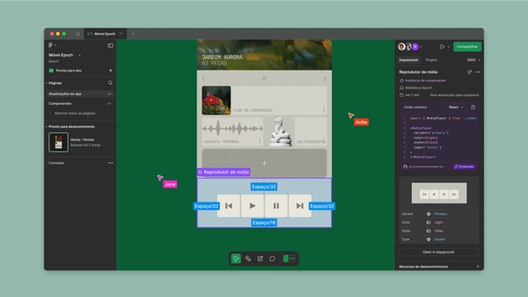
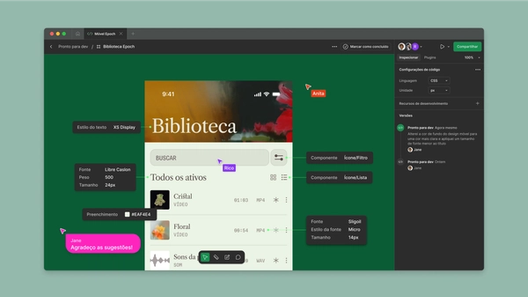
Dev Mode, a tool to bridge the gap between design and code.



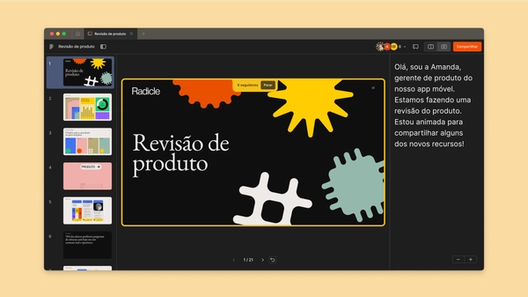
Figma Slides, for designers and collaborators to co-create and deliver interactive presentations.



“Since adopting Figma, we've seen a remarkable shift in how teams collaborate across our organization,” says Facundo Ruiz, Mercado Libre's UX Ops & Research Director. “The localization of Figma into Portuguese isn't just a new feature—it creates a more welcoming and intuitive experience for our Brazilian teams, helping them feel even more connected to the tool and its possibilities.”
The localization coincides with Figma's annual conference, Config, where it announced expansive product updates including:
- Figma Make: An AI-powered prompt-to-code tool that turns written descriptions or existing designs into working prototypes or apps, helping users at all skill levels quickly explore and iterate on ideas.
- Figma Sites: A product that enables designers to build and publish dynamic websites, with limitless interactions and customizations powered by code and AI.
- Figma Draw: A set of tools in Figma Design with enhanced vector editing and illustration features for greater visual expression.
- Figma Buzz: A product designed for brand and marketing teams to create visual assets at scale without compromising brand consistency, featuring built-in AI capabilities.
- Enhanced AI Features: Advanced image generation and editing capabilities, auto-suggest features to speed up workflows with contextual cues, plus new AI capabilities for FigJam.
- Grid: A new option to create responsive layouts that adapt seamlessly to designs and generate CSS code in Dev Mode for smoother design-to-dev handoff.
All products and features will begin rolling out to users in the coming weeks. Download visual assets here.

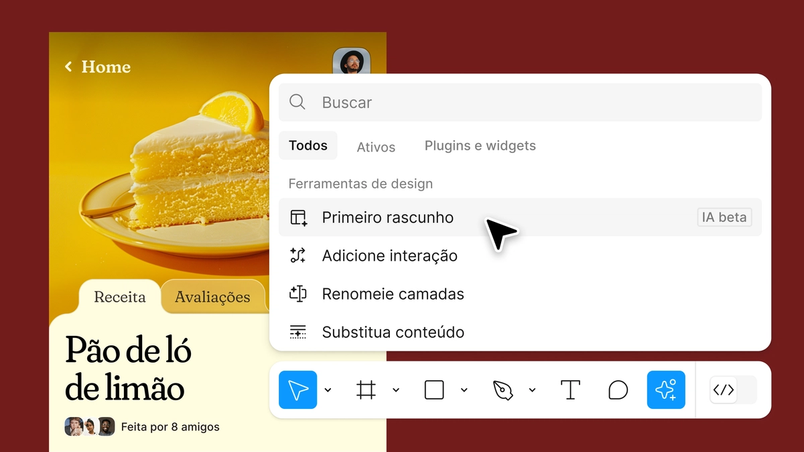

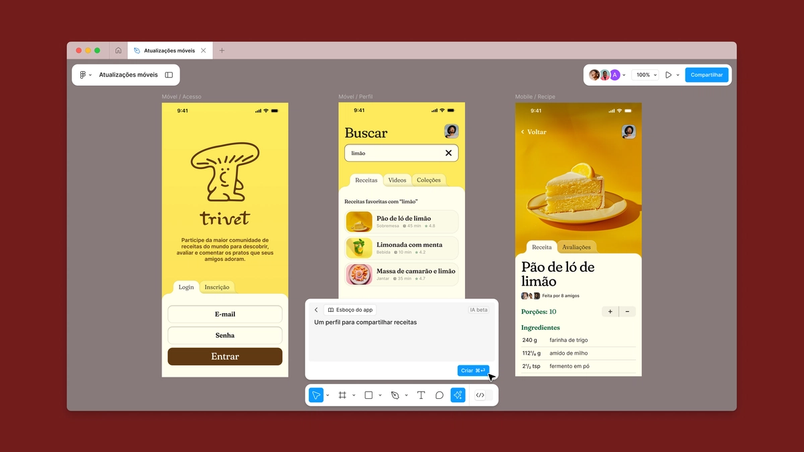
“Brazilian designers and developers have embraced Figma with enthusiasm, making today’s localization especially meaningful,” says Débora Mioranzza, Head of Latin America at Figma. “We've already seen exciting use cases here despite language barriers, and now we're removing that final obstacle. By offering Figma in Portuguese, we’re recognizing Brazil’s vibrant creativity and unlocking collaboration for everyone.”
Figma will be available in Brazilian Portuguese on May 7. Latin American Spanish product localization is slated for later this year.
Figma serves companies of all sizes, from prominent Brazilian companies to international enterprises such as Airbnb, Google, Puma, SAP, and Volkswagen.