Innovation at Scale: How Flipkart boosts its design vision for Indian e-commerce with Figma
Innovation at Scale: How Flipkart boosts its design vision for Indian e-commerce with Figma
Flipkart, one of India’s largest e-commerce platforms, collaborated with Figma to unify design and engineering across its vast product ecosystem. With teams spanning both B2C and B2B product lines, Flipkart turned to Figma as a collaborative platform for whiteboarding, designing, prototyping, and developer handoff.
Since adoption, Figma has reduced design-to-launch cycles from 4.5 months to 45 days for the launch of its quick commerce business, Flipkart Minutes, while strengthening cross-functional partnerships and enabling a more consistent, system-driven design approach.

Challenge: Designing at scale in a distributed ecosystem
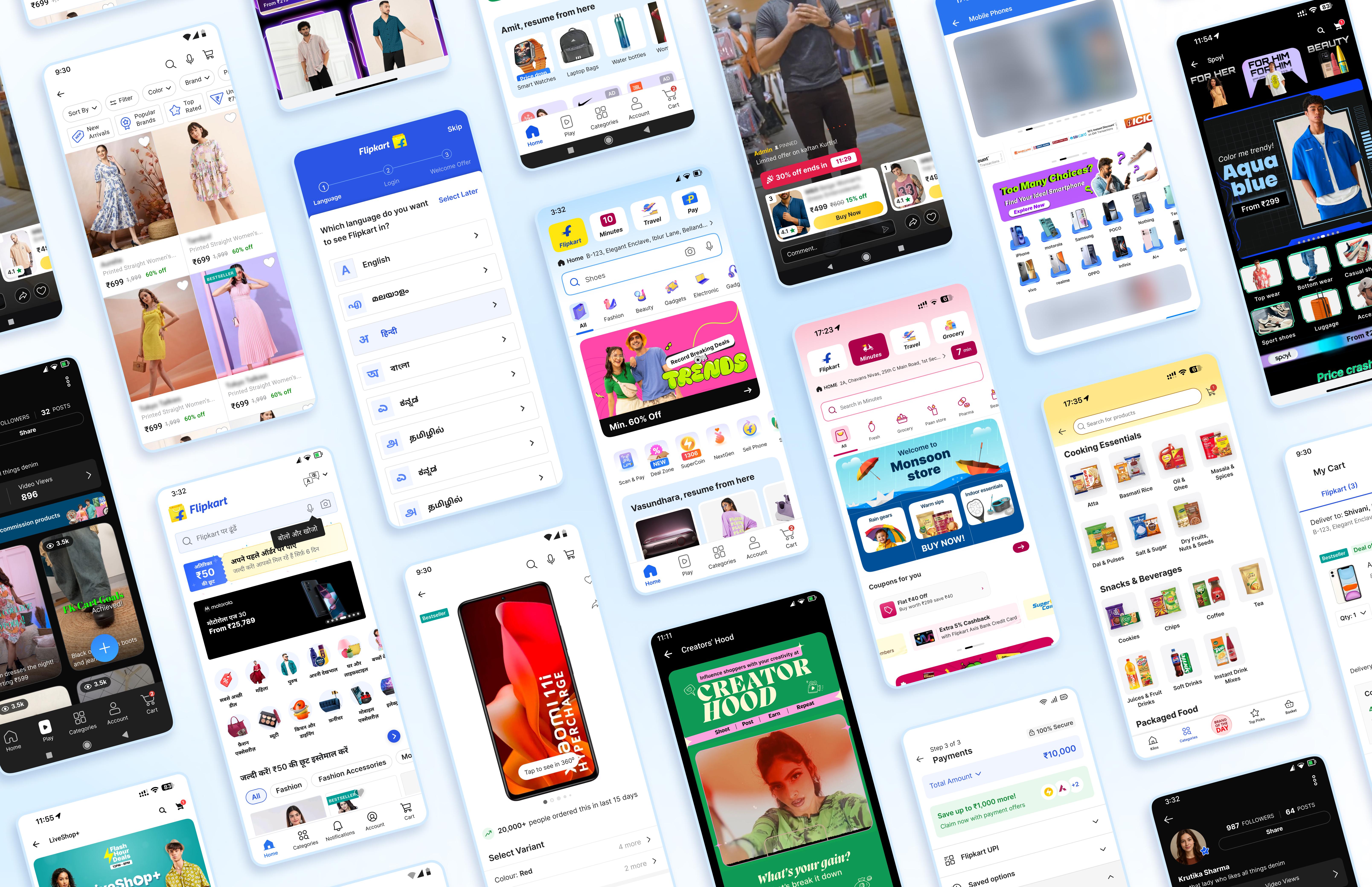
Serving millions with products ranging from electronics and fashion to groceries and home essentials, Flipkart is one of India’s most recognised e-commerce platforms. With rapid growth and expanding product lines like Minutes, Grocery, Travel, and Pay, they needed to focus on delivering intuitive, consistent and high-quality experiences to customers.
This became critical during the pandemic, when Flipkart’s 100-person design team needed a more connected way to maintain quality while working remotely.
“There was a need to bring everyone on a single platform. A small team at Flipkart started exploring Figma and realised the benefits, and we scaled it up pretty quickly to the entire design team,” said Gaurav Mathur, VP of Design at Flipkart.
Solution: One platform for the entire product workflow
Before Figma, Flipkart’s design team juggled multiple tools, moving files manually across platforms. Version control was messy, handoffs inefficient, and collaboration inconsistent.
Adopting Figma marked a cultural shift: design, product, and engineering now collaborate in real time within a shared platform.
Figma revolutionised the way we work and collaborate across teams. It has increased our efficiency, collaboration, and pace of innovation so much that it’s now inseparable from how we operate as a design organisation at Flipkart.
— Varun Dhanda, Director of Design, Consumer, Flipkart

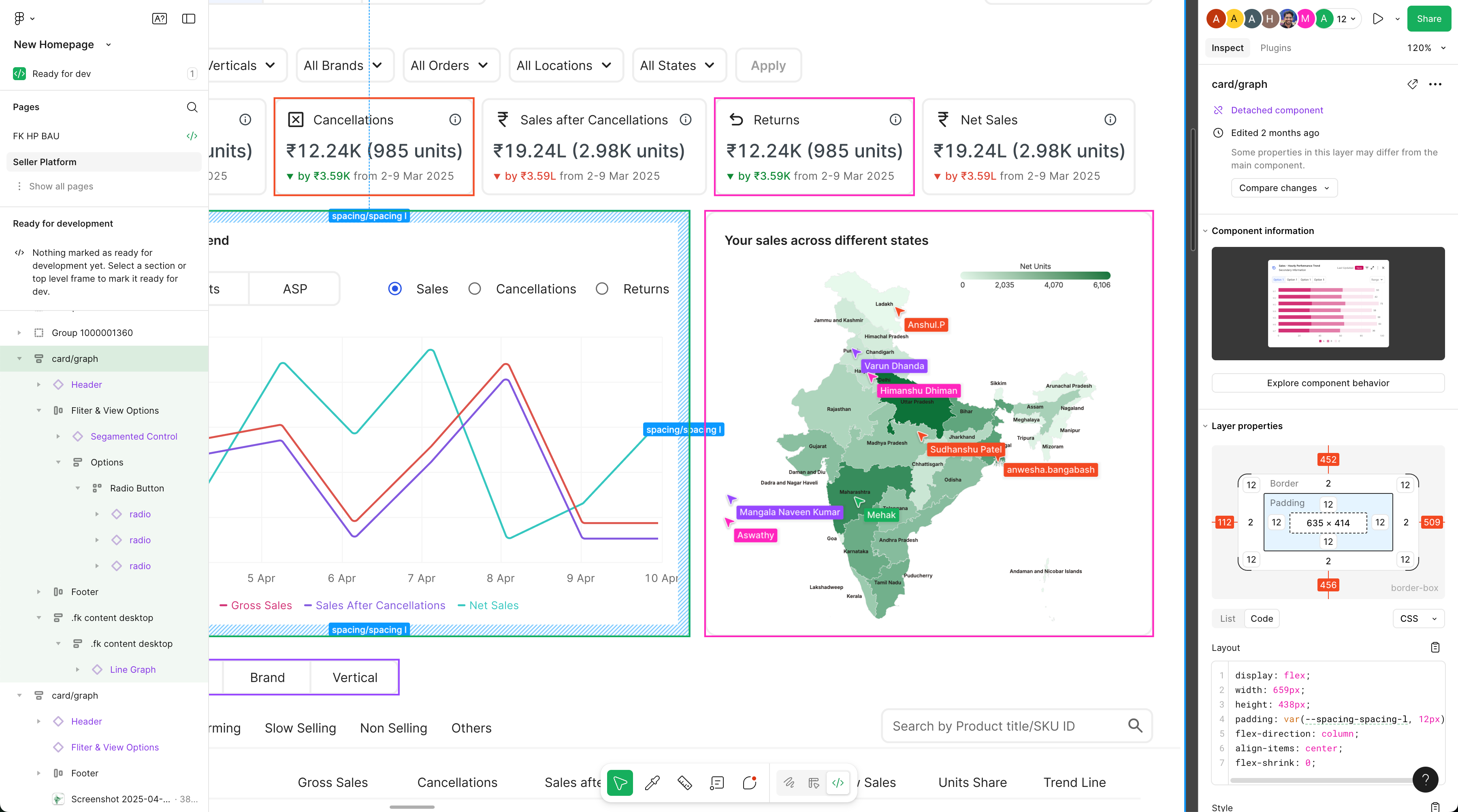
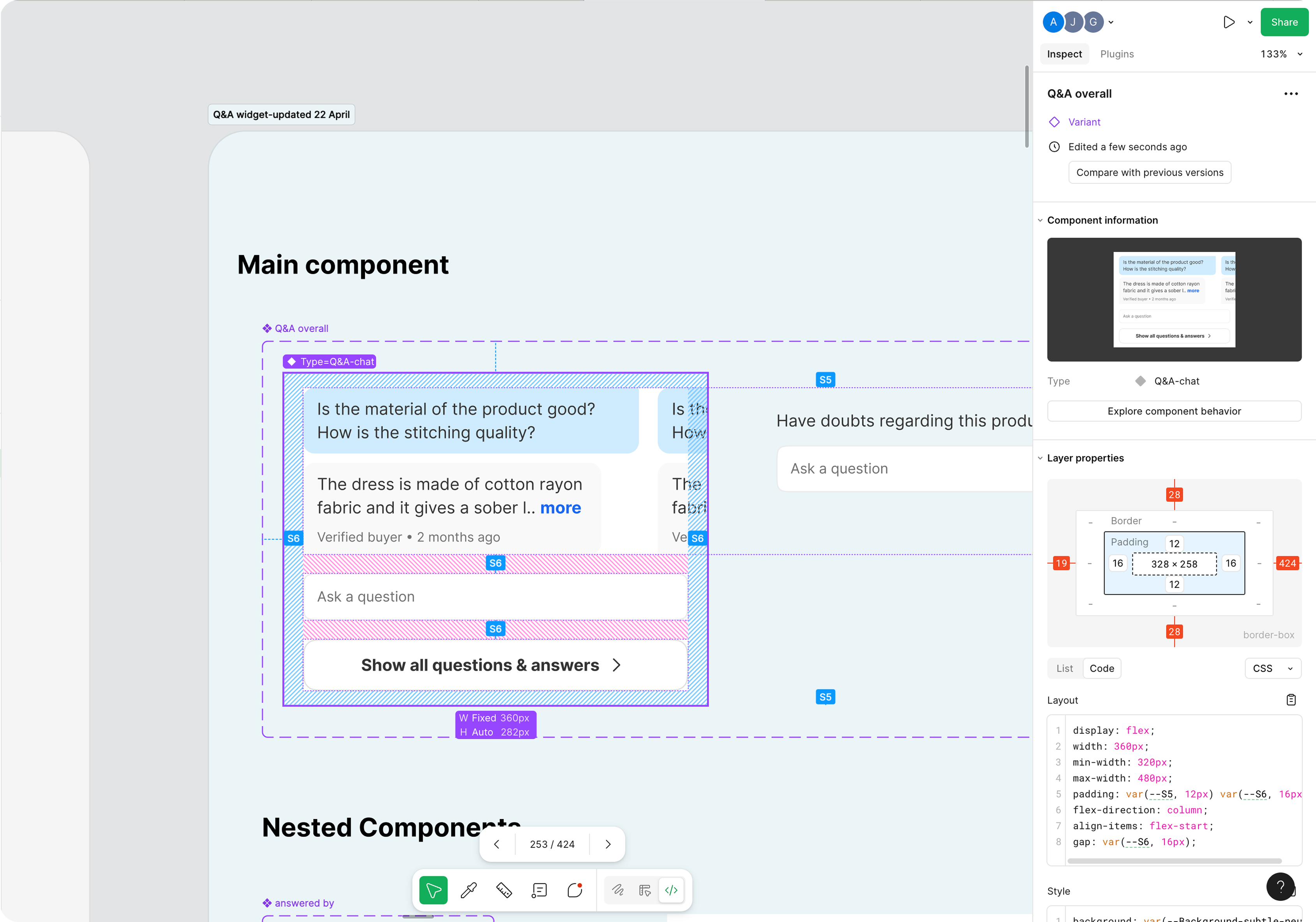
Today, designers mark files as developer-ready. Engineers use Dev Mode to inspect specs and annotations. Product managers leave feedback in context. Even leadership reviews prototypes through shared links—often on mobile—enabling faster alignment and decision-making.
Driving design consistency with Figma Enterprise
Flipkart uses Figma Enterprise workspaces to mimic its business structure, making it easier for teams to find the right files, design systems, and libraries without friction. This structure has streamlined onboarding and helped new designers ramp up quickly.
With Figma Enterprise, our workspaces reflect the way our business is organised. Once you enter a team workspace, the assets and libraries there let you jump-start your design workflow.
— Ajith Sowndararajan, Director of Design, Enterprise, Flipkart
Figma Enterprise also ensures secure collaboration with agencies and partners, without compromising sensitive work.

Building with speed and precision
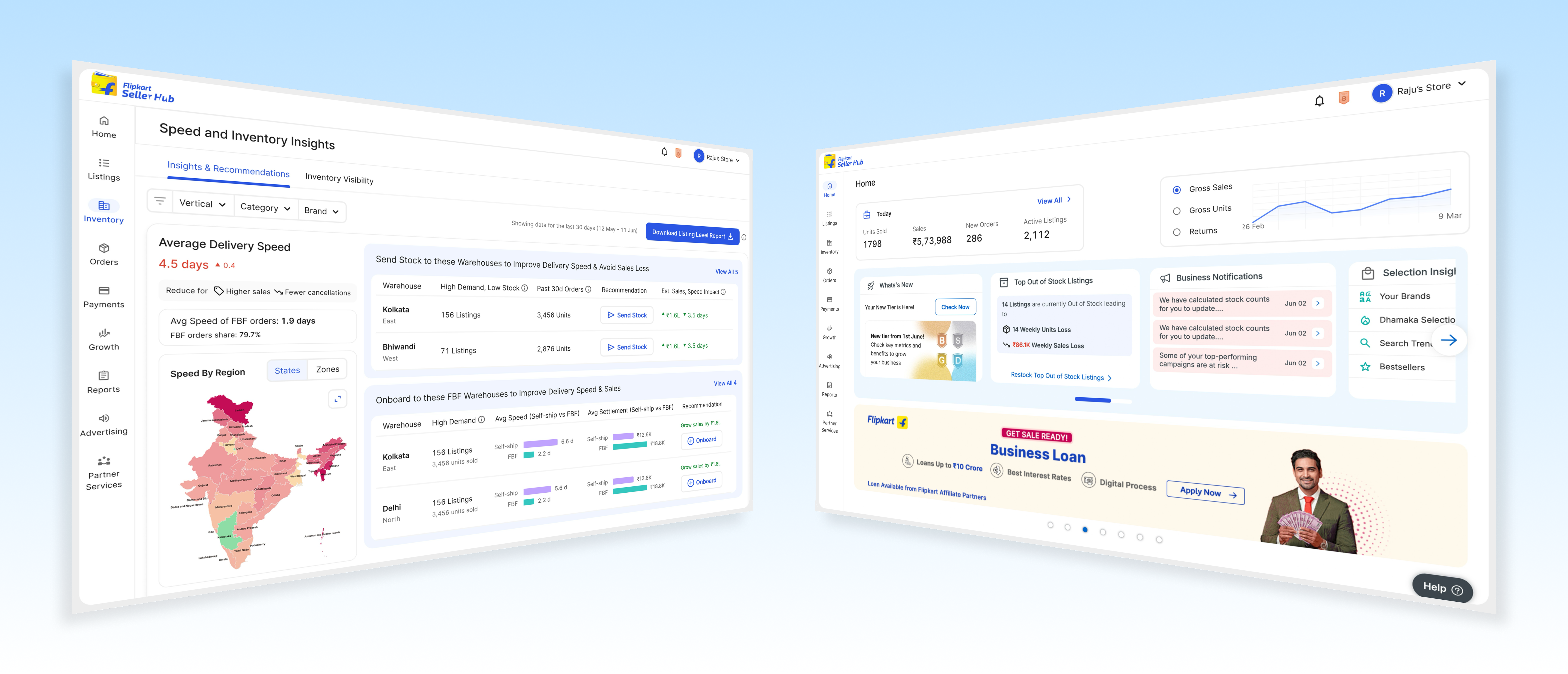
Flipkart runs on two major design systems: the Flipkart Design System for consumer-facing products, and MURV (Modular, Upgradeable, Reusable, Versatile) for enterprise platforms like logistics, supply chain, and seller tools.
Rooted in Sanskrit, murv (मुर्व्) means “to bind” or “to tie”—a metaphor for a system designed to unify experiences across platforms. Powered by variables, both systems enable teams to theme, localise, and scale components seamlessly across brands and products, from colour schemes for different verticals to font configurations for 11 Indian languages.

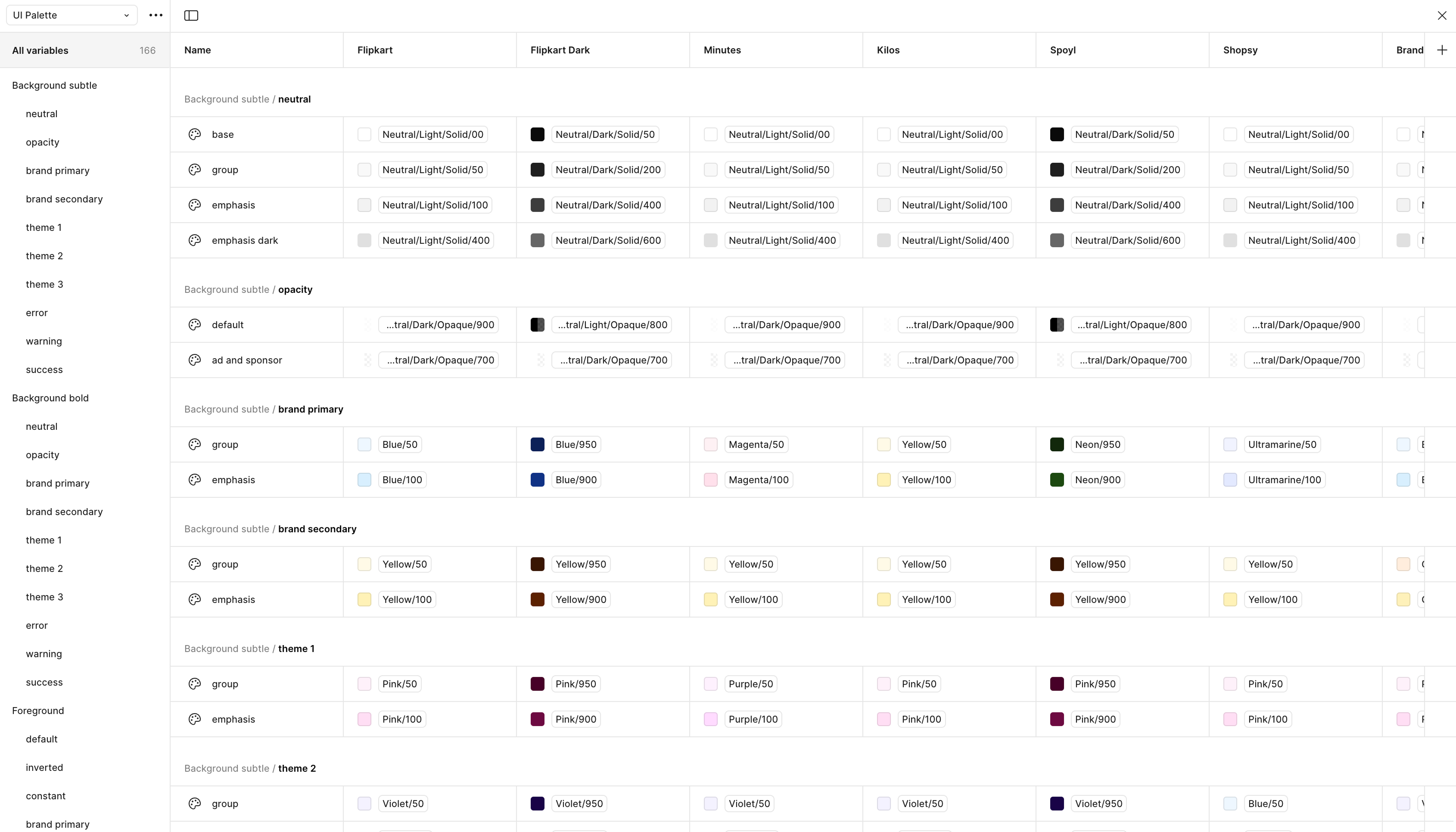
Designers build once, apply themes, reuse components, and ship consistent experiences at remarkable speed.
We design once and are able to theme across Flipkart, Grocery, Minutes. Variables help us deliver faster and at scale.
— Gaurav Mathur, VP of Design, Flipkart
This foundation paid off when Flipkart launched Flipkart Minutes, its quick commerce business, in record time.
"Leveraging the MURV design system built with Figma, we reduced the implementation time from an estimated 4.5 months to just 45 days. This efficiency fast-tracked the successful launch of Flipkart Minutes to end consumers," said Ajith.
Even the supply-chain team leveraged the MURV design system to cut development timelines by nearly 75%—a leap that would have been unthinkable without Figma.
Reimagining developer handoff
With Dev Mode, designers flag files as “dev ready” and annotate specs inline, while developers inspect assets and context in one place, speeding up implementation and reducing handoff friction.
Flipkart has also built internal Figma plugins that automate workflows, boosting design efficiency by up to 80%.

Unlocking cross-functional collaboration with FigJam
FigJam has also become Flipkart’s go-to platform for quarterly retrospectives, brainstorming sessions, and workshops.
“What makes FigJam especially powerful is its accessibility. Its simplicity removes the barrier for non-designers, and makes it easy for anyone—whether you're in product, engineering, or operations—to jump in and contribute. It helped us bring more voices into the design process, right from the start,” shares Varun.
Figma = Prototype
At Flipkart, a Figma link now means ‘clickable prototype’. Designers default to building interactive flows, which are shared widely across teams for feedback. This habit has reshaped collaboration, resulting in more relevant, usable, and impactful products.
We’re all on the same page now—literally.
— Ajith Sowndararajan, Director of Design, Enterprise, Flipkart
Looking ahead
With a robust design culture powered by Figma, Flipkart is driving innovation in India’s competitive e-commerce landscape. Looking forward, Flipkart aims to push automation and design-to-code integration further, making every design decision faster, smarter, and more scalable.
See how Figma can help you scale design
Great design has the potential to differentiate your product and brand. But nothing great is made alone. Figma brings product teams together in a fast and more inclusive design workflow.
Get in touch to learn more about how Figma can help companies scale design.
We’ll cover how Figma can help:
- Bring every step of the design process—from ideation, to creation, to building designs—into one place
- Accelerate design workflows with shared company-wide design systems
- Foster inclusivity in the product team process with products that are web-based, accessible, and easy to use