Multiplayer collaboration
2009, Google Docs
While engineer and inventor Douglas Engelbart pioneered collaborative, real-time editing in what’s called “the mother of all demos” in 1958, Google brought the behavior to the mainstream when it enabled simultaneous editing in Google Docs in 2009. Seven years later, advances in browser technology—especially WebGL—made it possible for Figma to bring professional-grade product design tools online, allowing multiplayer collaboration on the creation of interfaces themselves. The once solitary act of creating a document, spreadsheet, presentation, or design became a communal one. The static artifact came to life, and ownership passed from one to many For years, the boundaries between product development roles have become less defined. Our latest report quantifies this shift and explores what it means for you and your team. Aashrey Sharma, a UX designer at Epic Games, shares what video game navigation can teach us about building the next generation of interfaces.

Are roles and responsibilities a thing of the past?

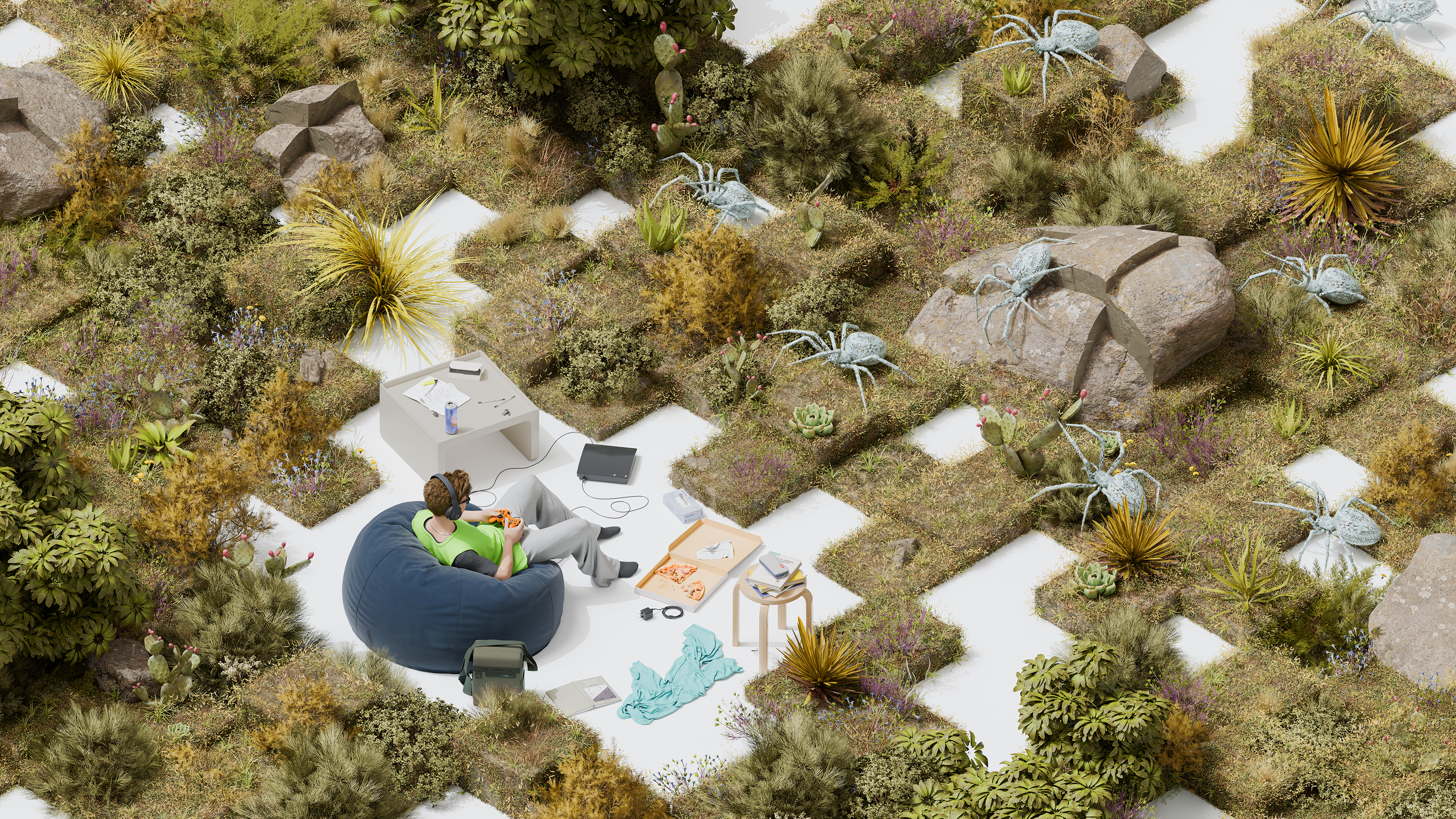
Press start: How controllers shaped video game design—and where interfaces may go next
Combined with high-quality video conferencing tools, multiplayer collaboration allowed us to co-create from anywhere, anytime, fostering hybrid work environments that have persisted long after the constraints of the COVID-19 pandemic. Beyond productivity, these tools have made it easier and more accessible to build community—whether it’s organizing a book club, nonprofit event, or group trip—and for makers to pursue their passions Brooklyn-based designer Kelsey Fairhurst launched Forks Plus, a “softline brutalist” flatware brand, with the help of Figma.

Meet the maker: Kelsey Fairhurst’s irresistibly bold flatware